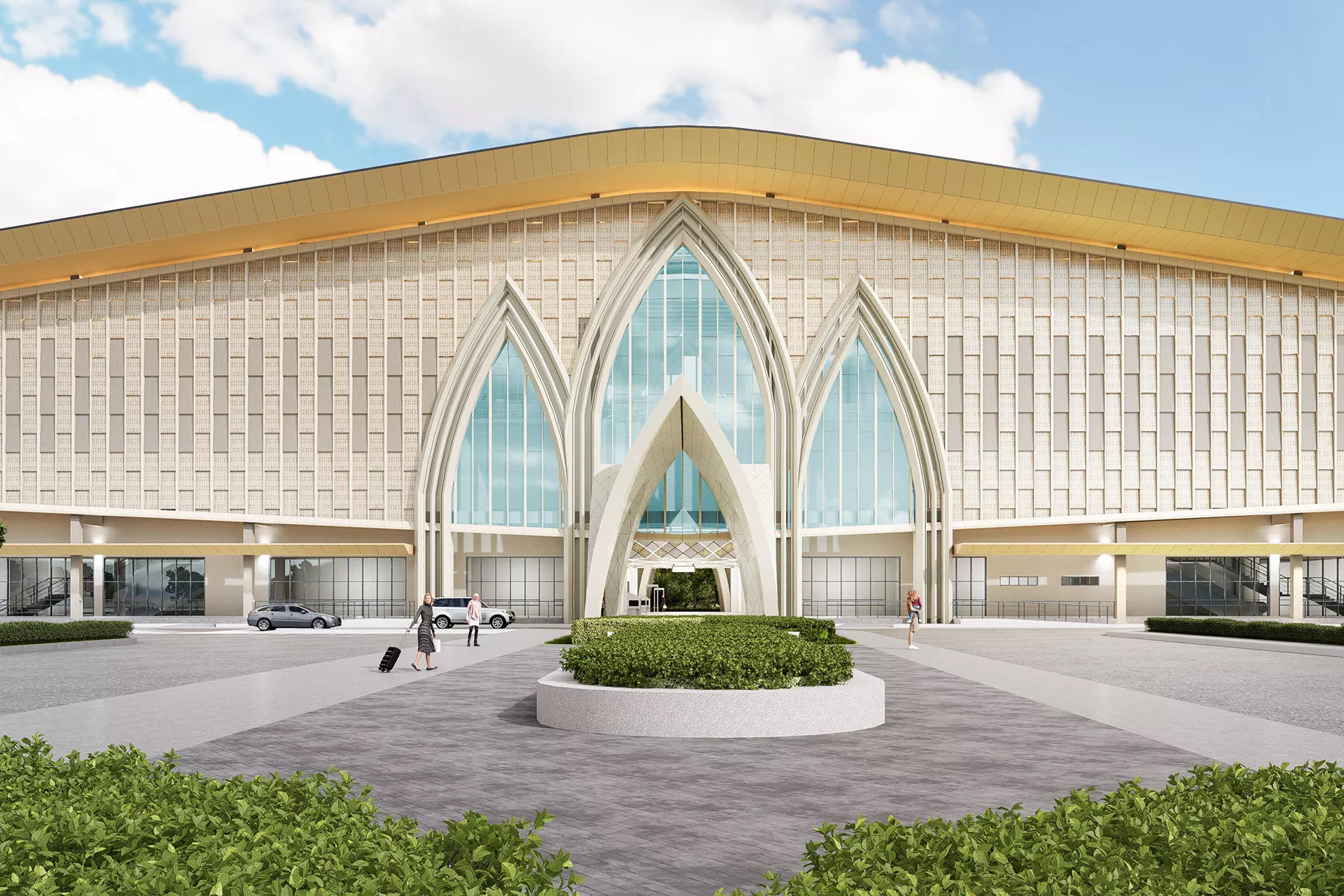
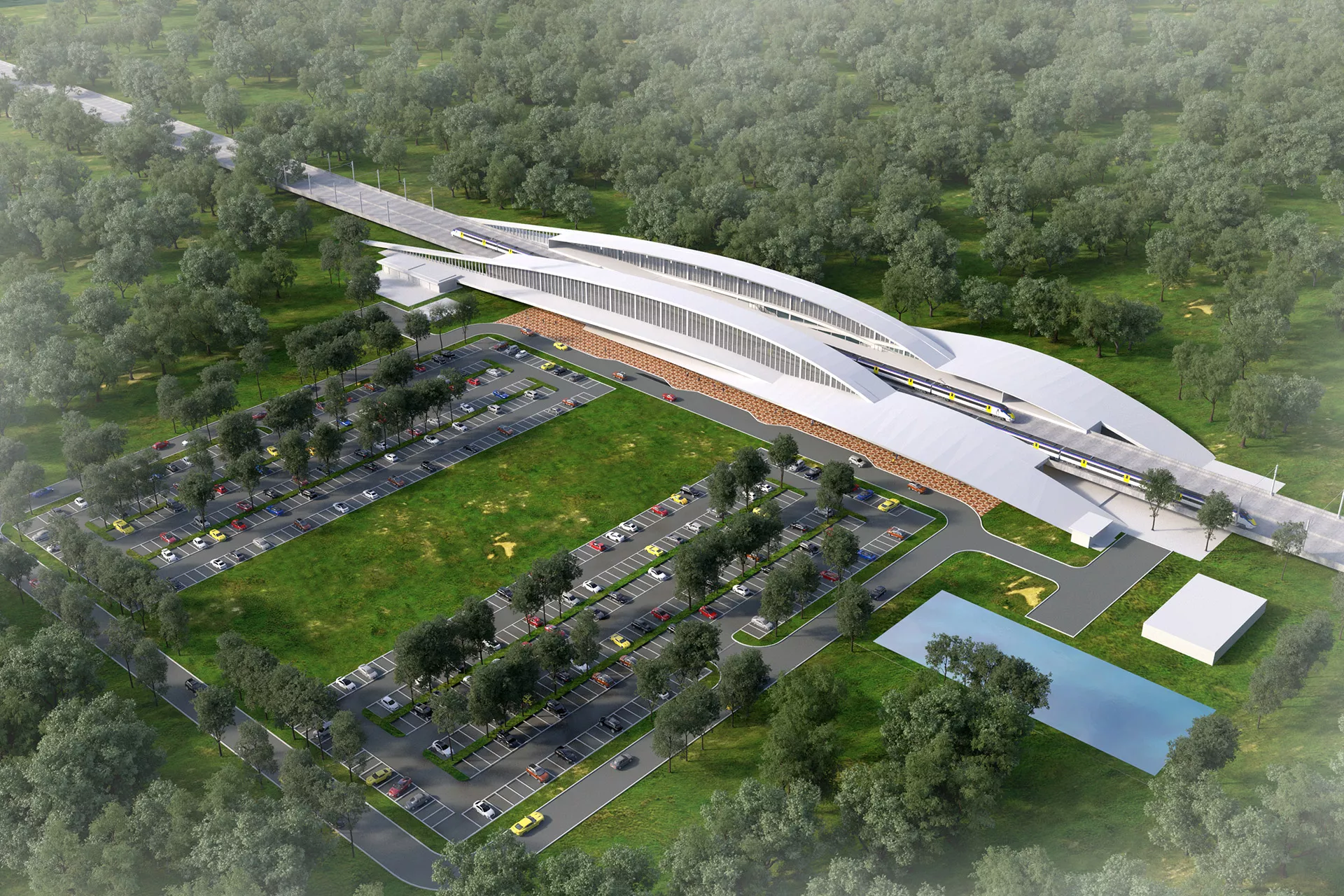
Modular Transit Architecture Unifying East and West

East Coast Rail Link
(ECRL) Stations
CLIENT
Malaysia Rail Link Sdn Bhd
REGION
Kuala Lumpur–Kelantan
YEAR
On-going
GFA
DISCIPLINES
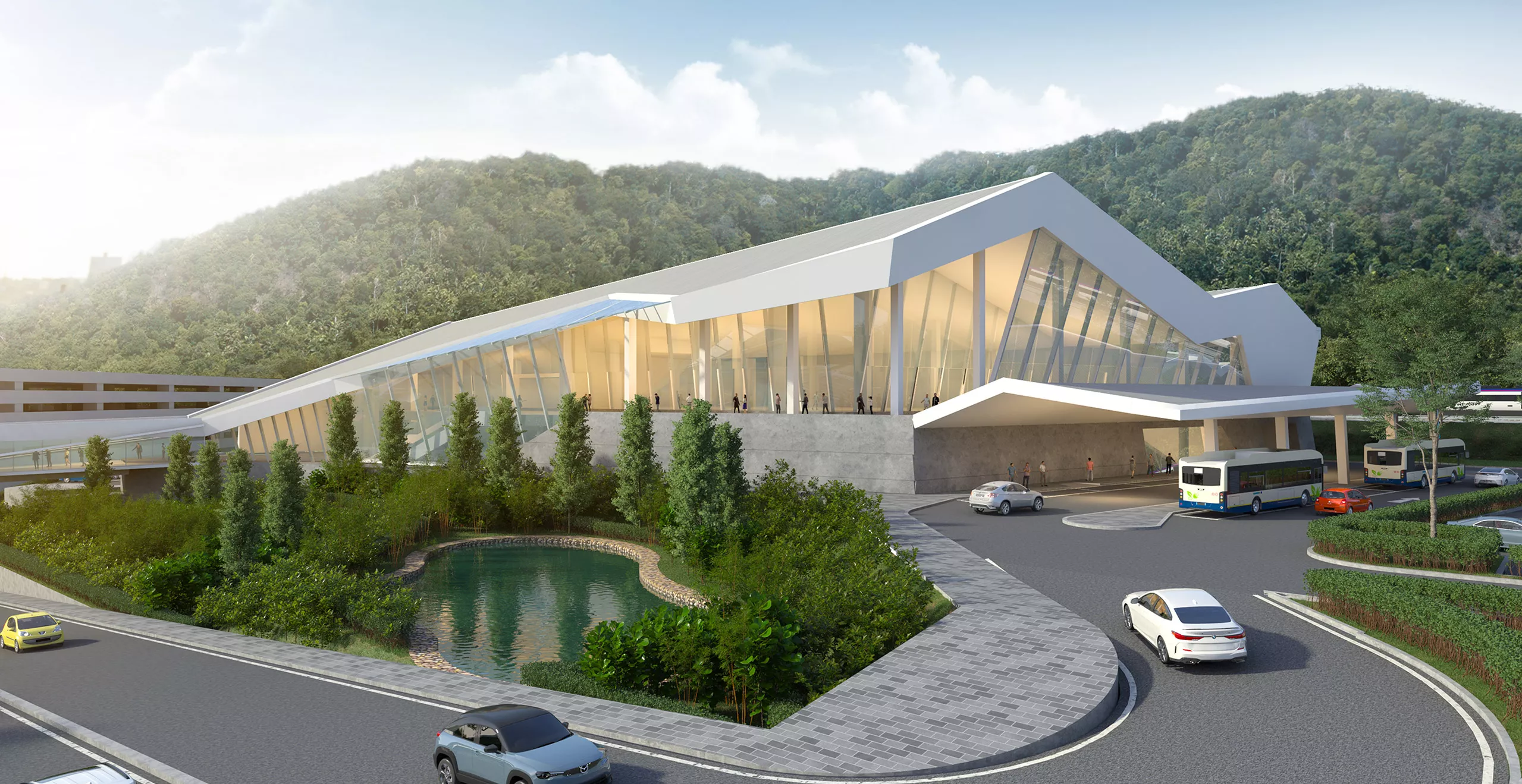
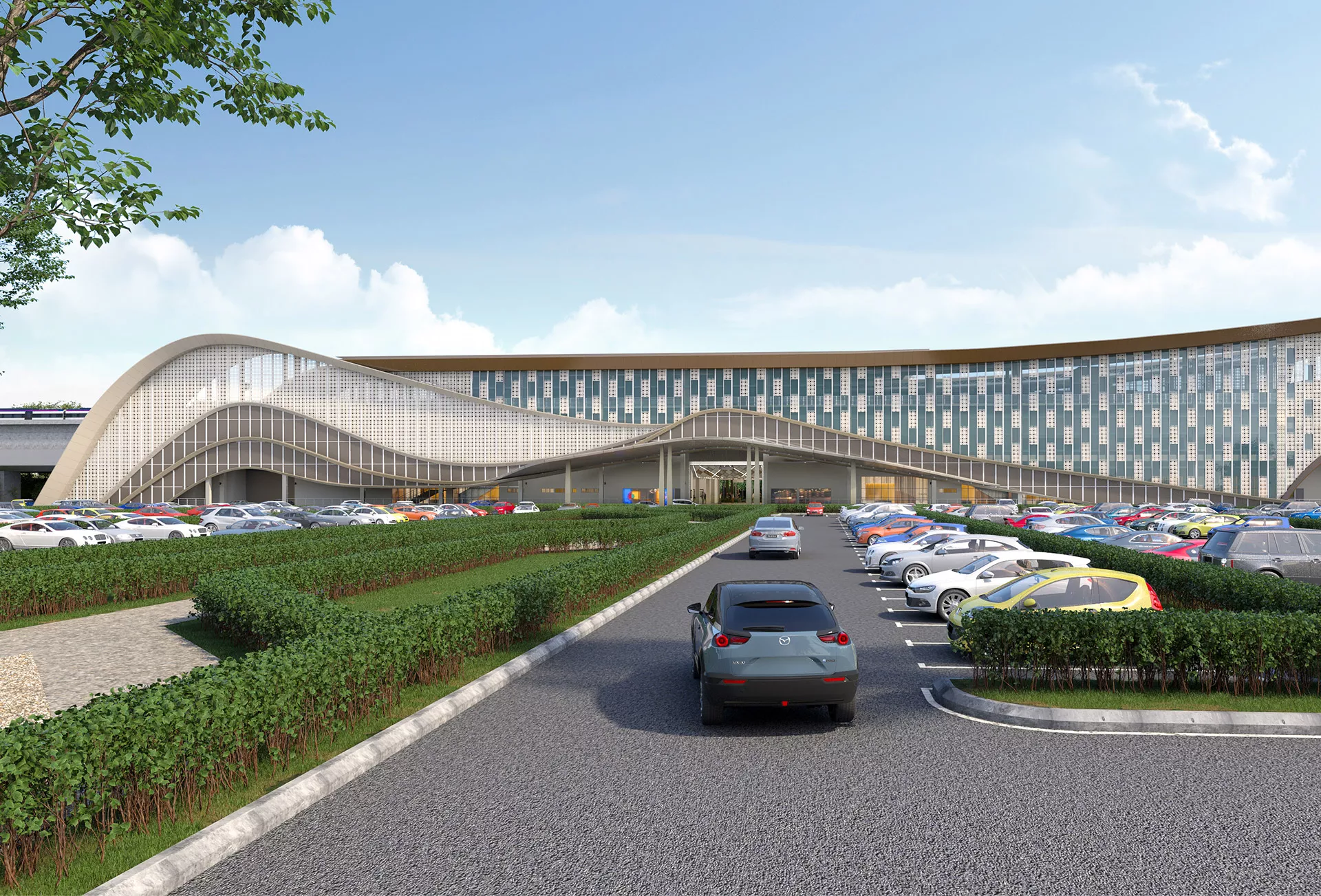
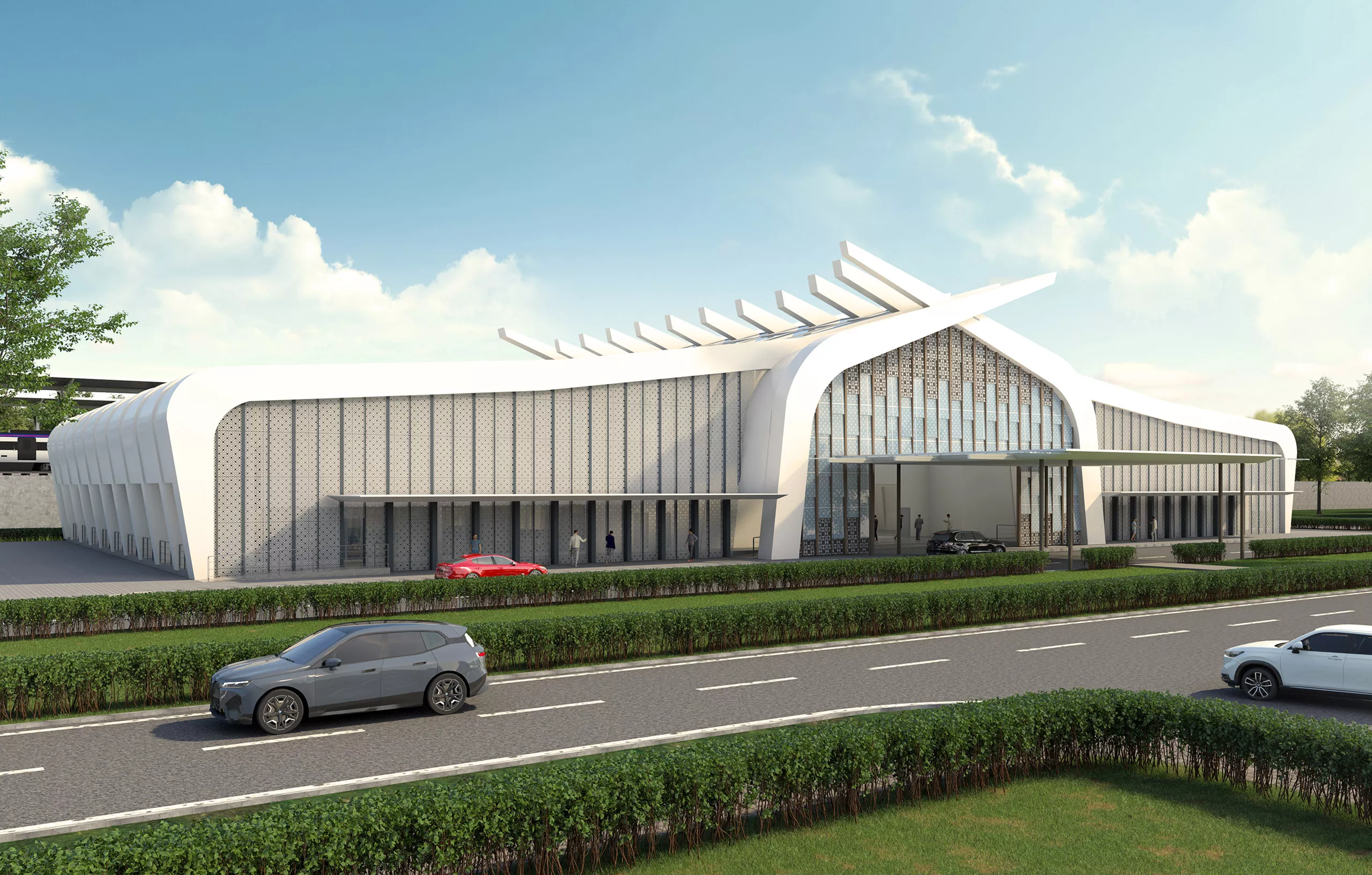
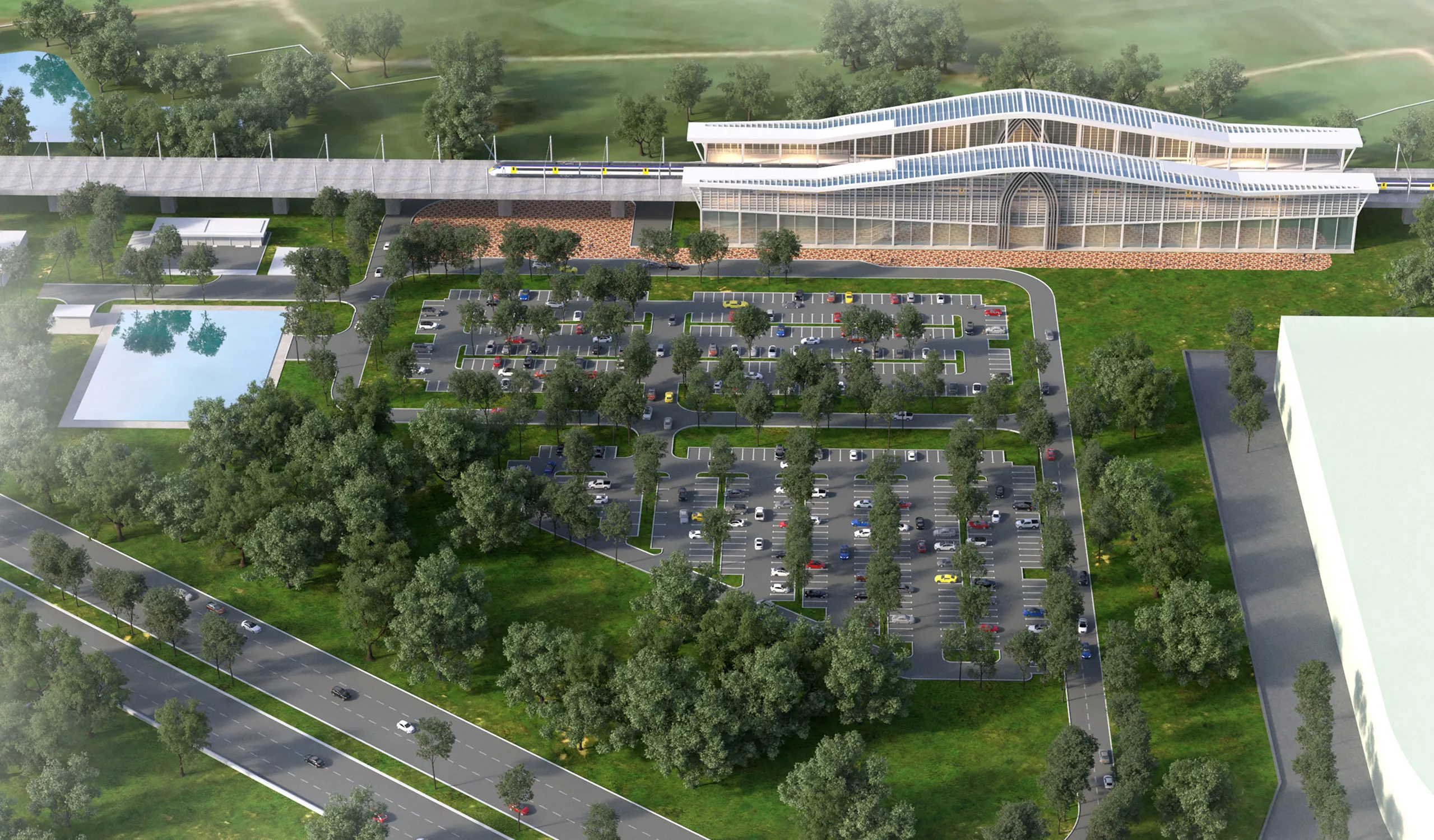
The ECRL represents a transformative infrastructure initiative, establishing a standardized double-track railway network across Peninsular Malaysia. Spanning 20 stations from Kota Bharu to Kapar, the project strengthens regional connectivity while redefining the architectural identity of intercity transport. Each station is conceived not merely as a transit hub, but as a civic gateway—anchoring the railway within its local urban and environmental context while contributing to a coherent national design language.
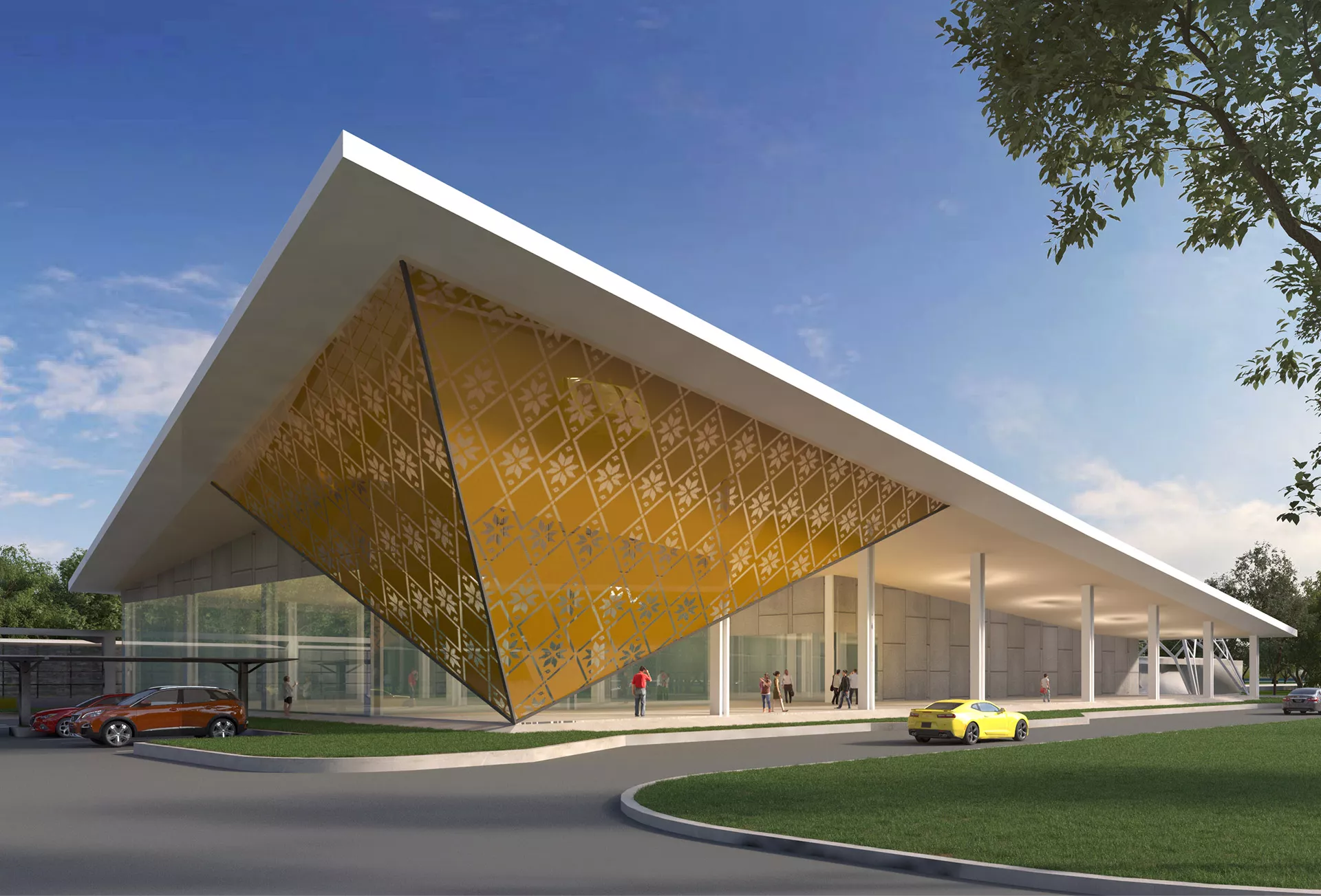
ARCHITECTURE
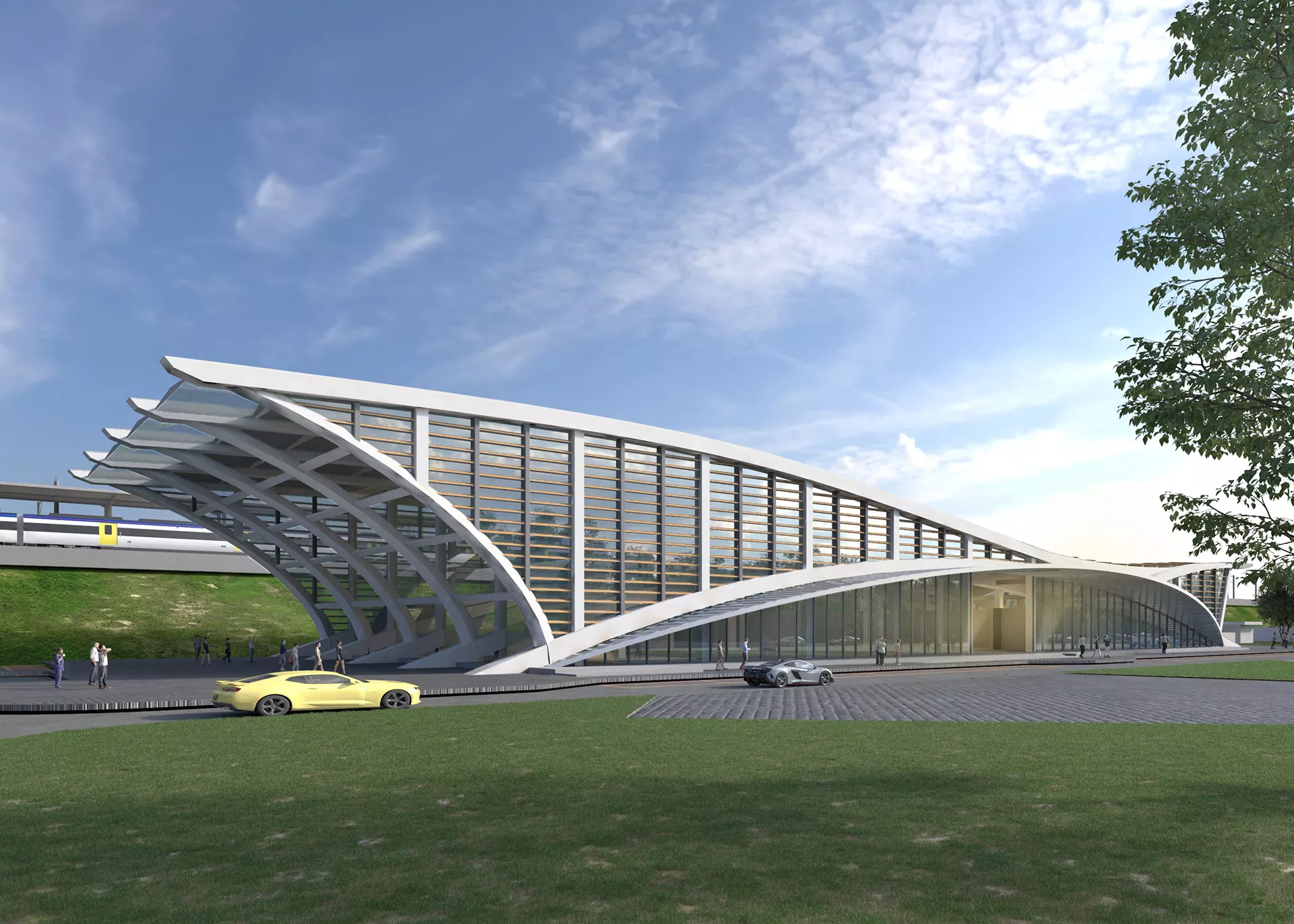
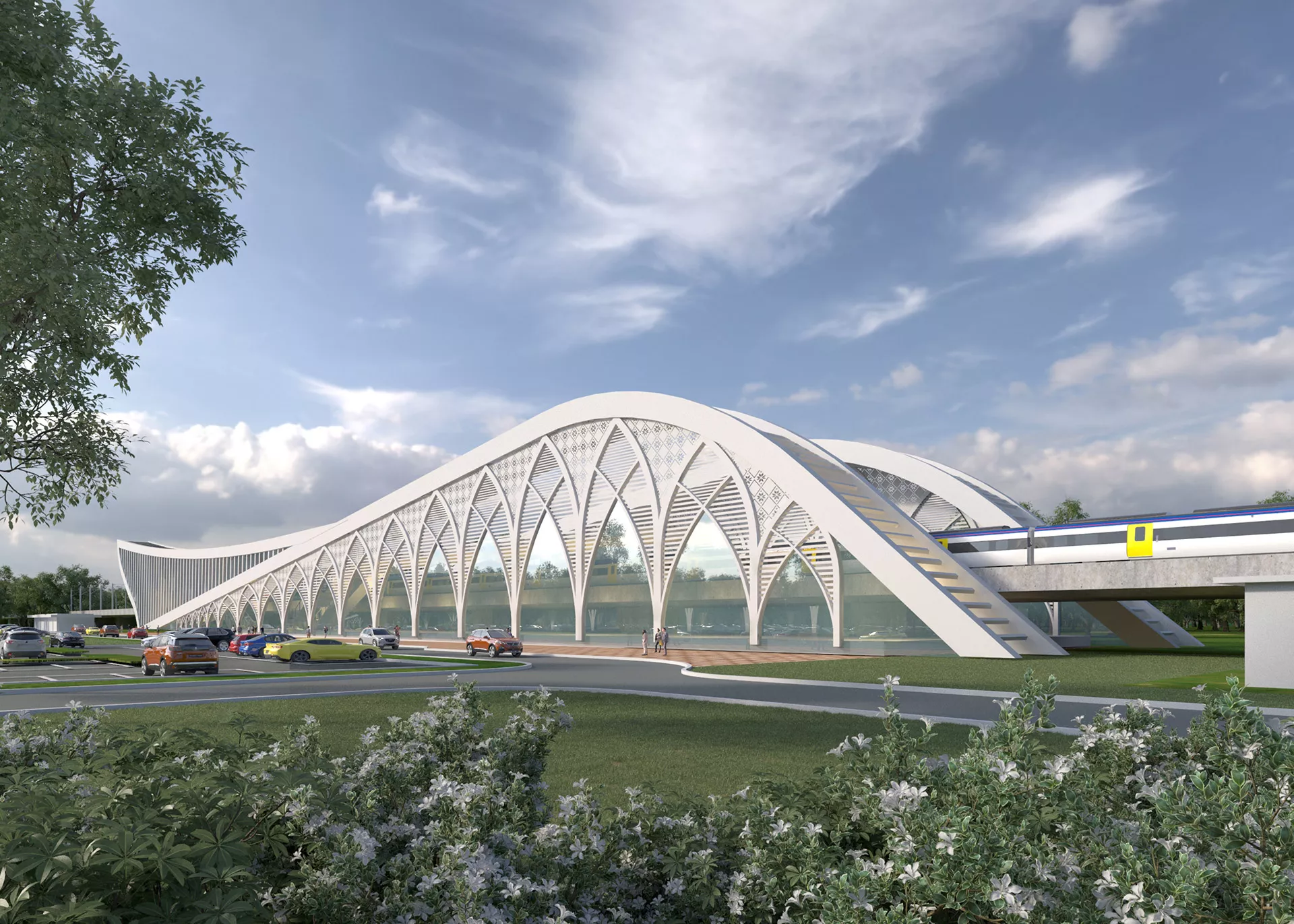
Station design prioritizes clarity, efficiency, and contextual responsiveness. Modular planning principles create a consistent framework across the network, yet allow adaptation to local topography, urban scale, and cultural character. Structural elements, naturally lit concourses, and shaded platforms are integrated with durable material systems suited to Malaysia’s tropical climate, reinforcing both resilience and passenger comfort. Beyond the stations themselves, the ECRL network incorporates tunnels, bridges, and integrated signaling infrastructure to form a cohesive and sustainable transport system that supports long-term economic growth and intercity mobility.
LANDSCAPE
Meanwhile, the landscape strategy transforms station environments into legible, human-centered spaces that enhance user experience and station identity. Site-responsive design interventions highlight drop-off zones, forecourts, perimeter planting, and softscape areas, employing native species, efficient irrigation, and resilient materials. Tree-lined buffer spaces mitigate heat and noise, while green spaces frame circulation and provide moments of respite for passengers. Each station’s landscape is tailored to its local context, creating a sense of place while maintaining visual cohesion across the corridor. Through integrated landscape and architecture, the ECRL achieves a holistic approach—delivering infrastructure that is both operationally efficient and environmentally and socially responsive.
Learn About Our Projects
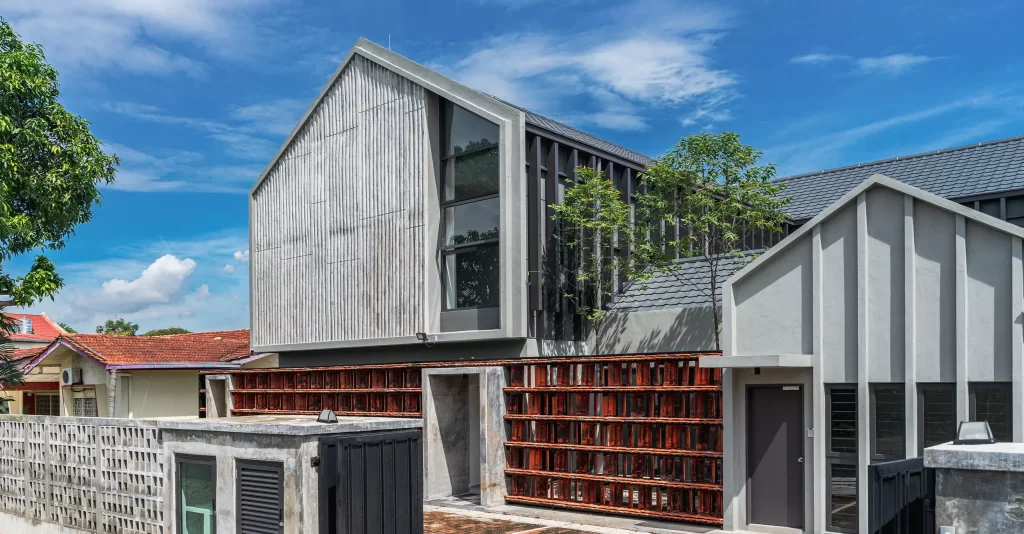
Women’s Aid Organisation Shelter Home
Women’s Aid Organisation Shelter Home
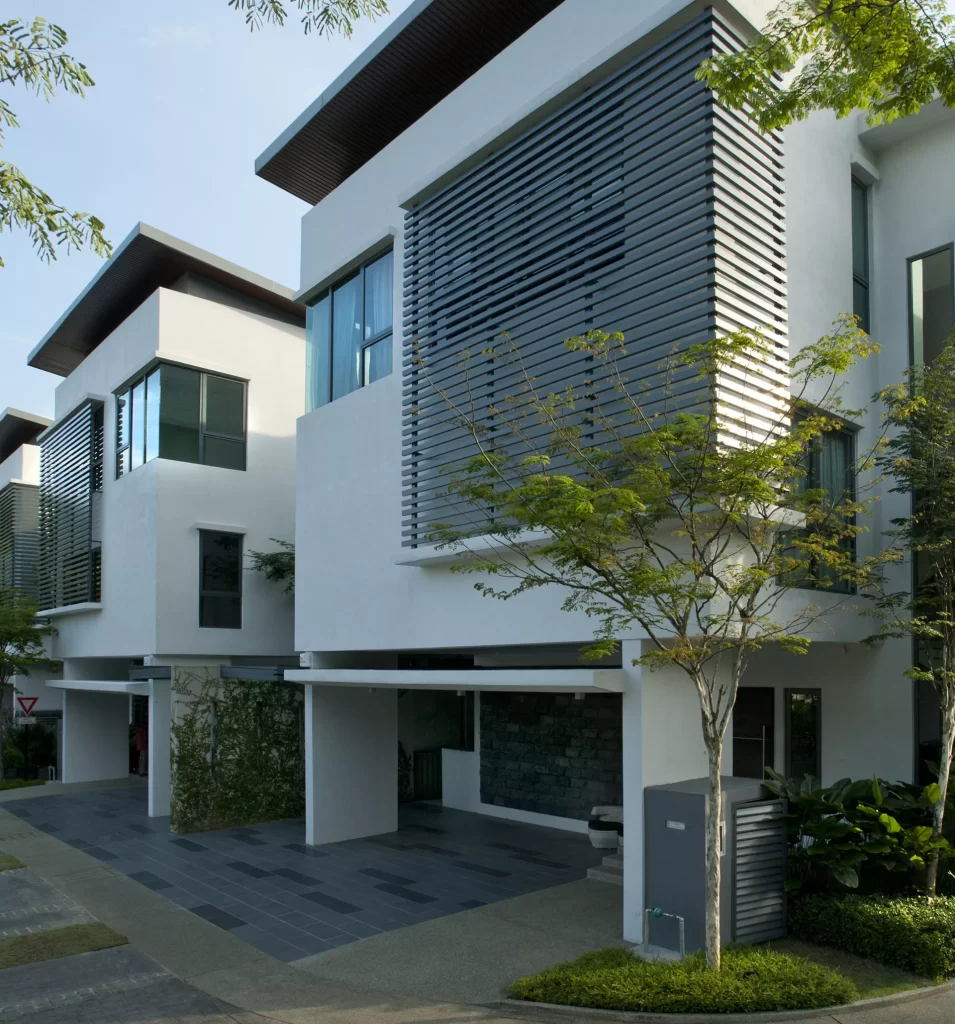
10 Damansara Villas
10 Damansara Villas
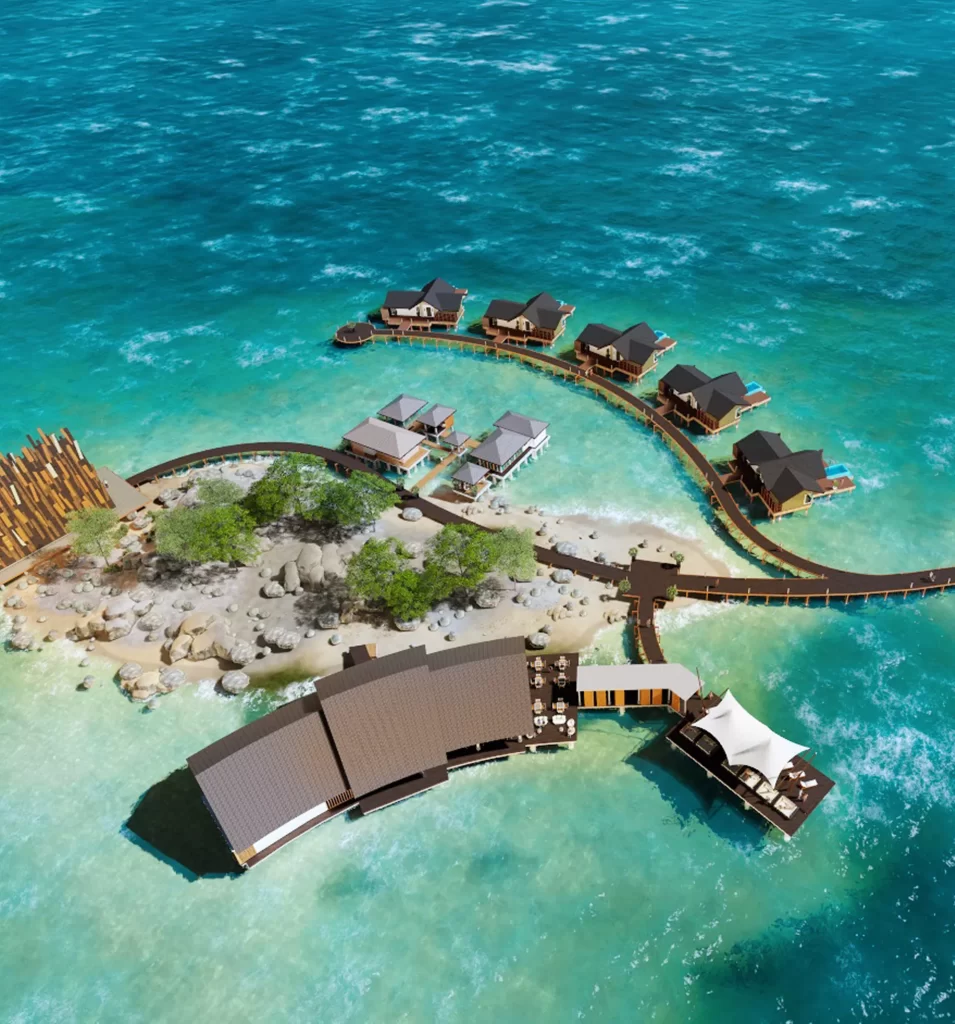
Bintan Island Resort
Bintan Island Resort
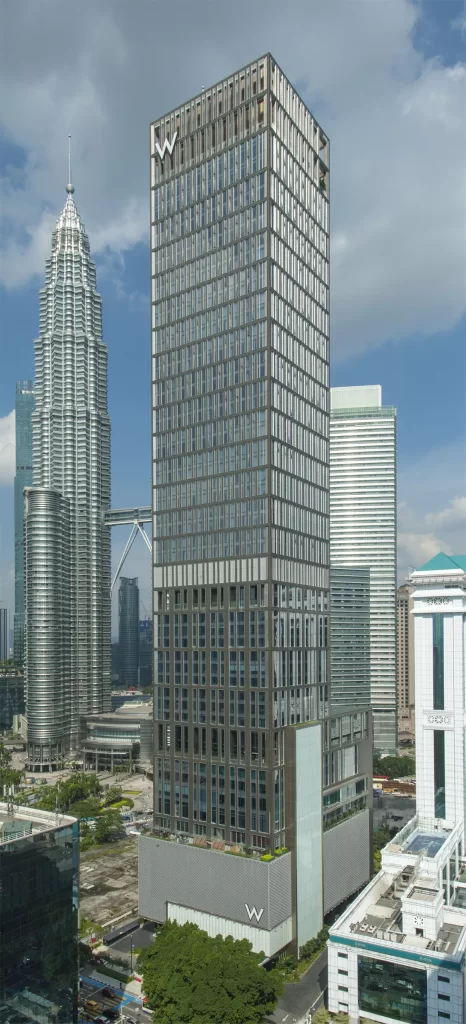
W Kuala Lumpur
W Kuala Lumpur
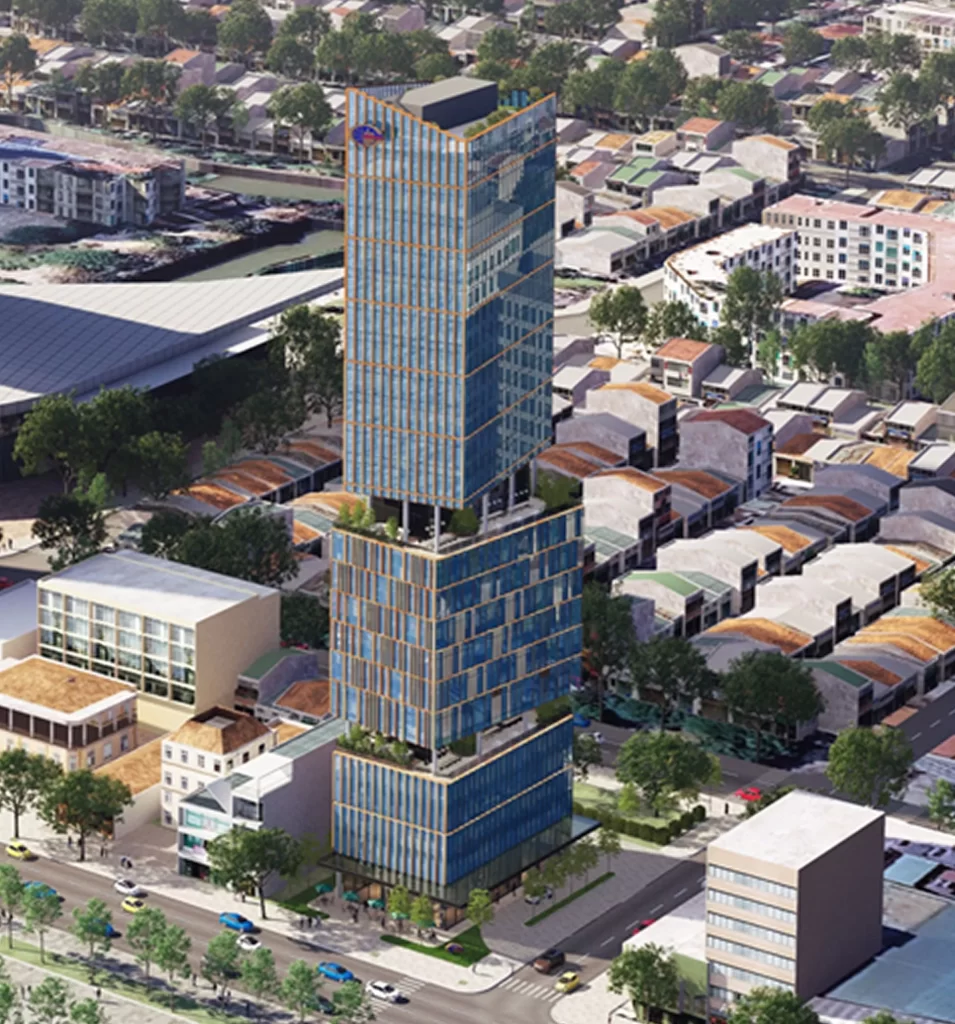
Da Nang Port Headquarters
Da Nang Port Headquarters
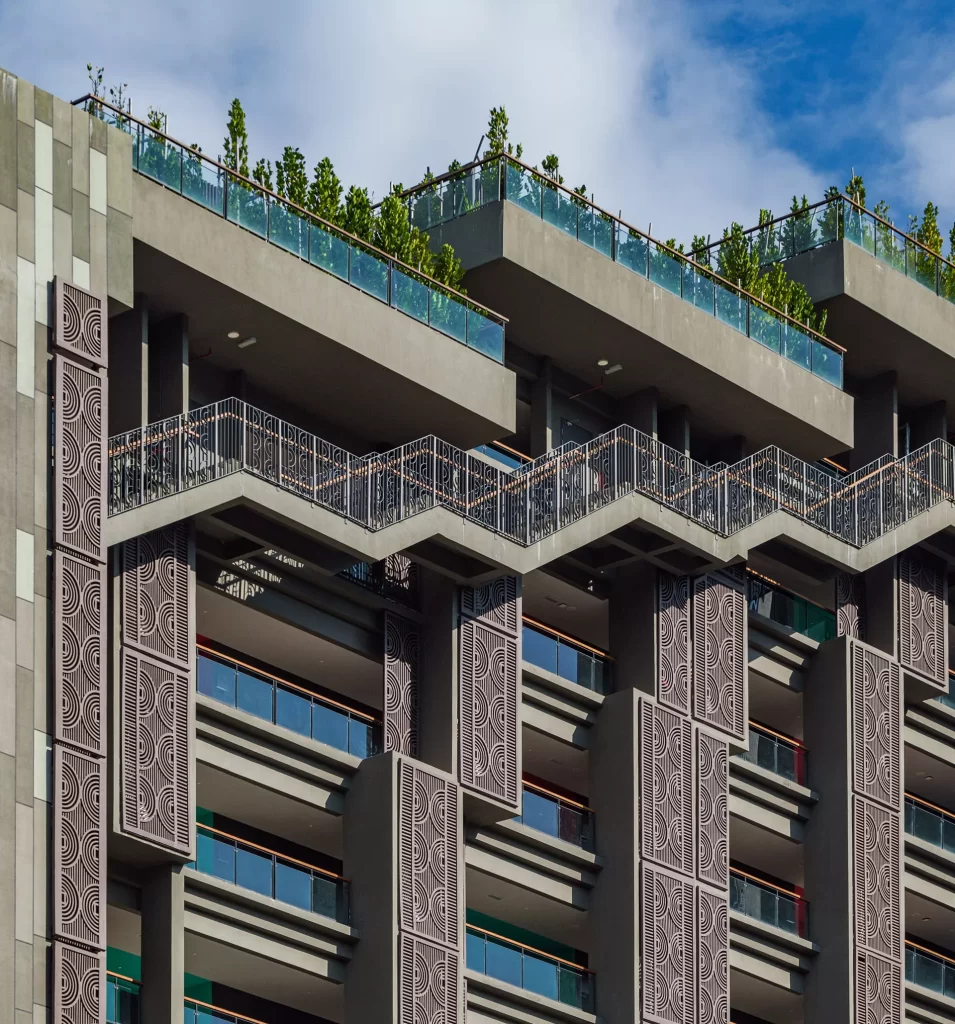
Angsana Teluk Bahang
Angsana Teluk Bahang
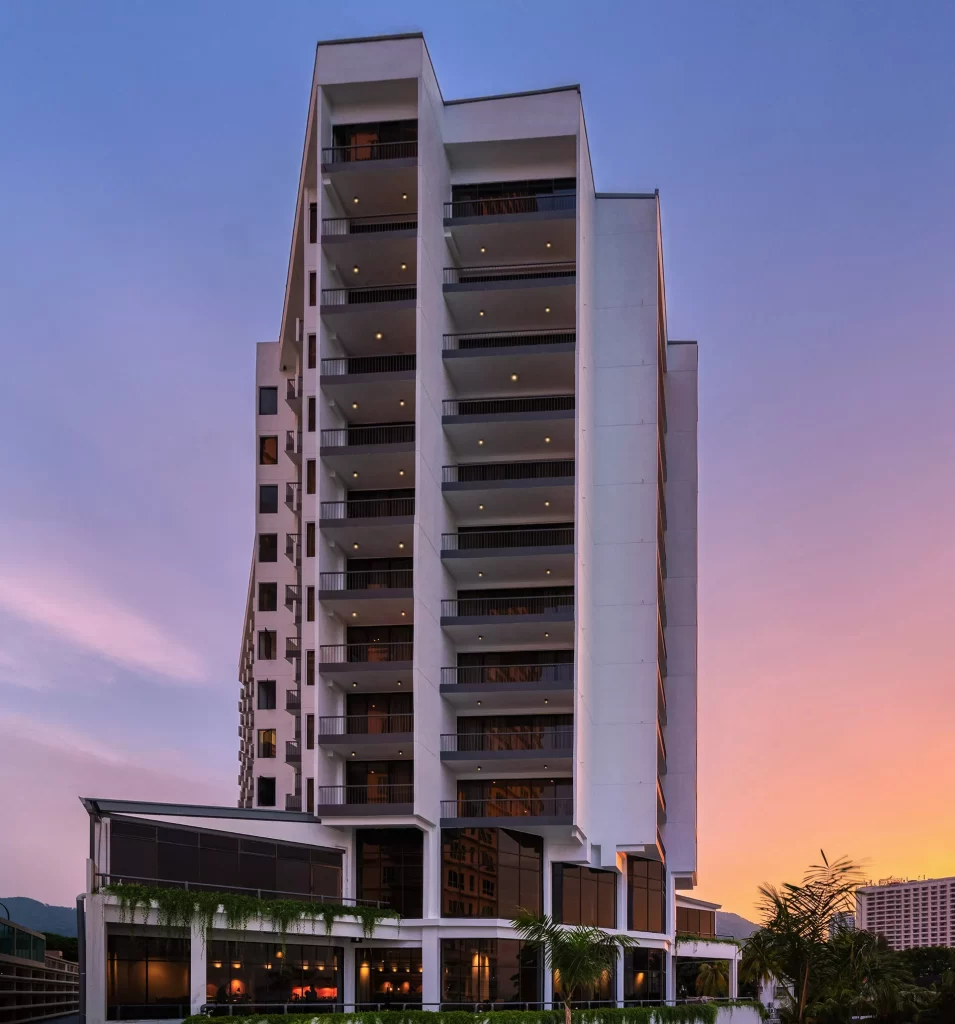
M Social Resort Penang
M Social Resort Penang
PETRONAS Leadership Centre (PLC)
PETRONAS Leadership Centre (PLC)
MyTOWN Shopping Centre
MyTOWN Shopping Centre
Green Valley Oldage Home and Orphanage
Green Valley Oldage Home and Orphanage
AirAsia RedQ
AirAsia RedQ
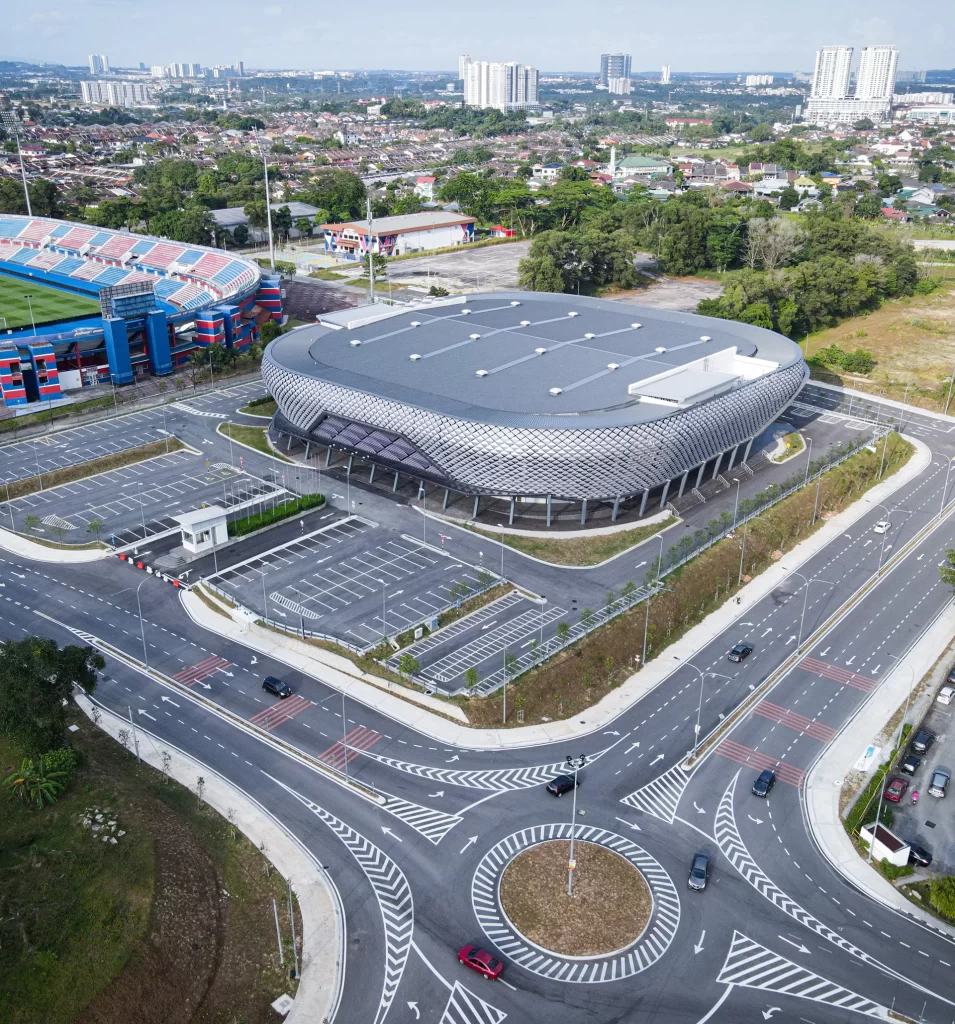
Arena Larkin Indoor Stadium
Arena Larkin Indoor Stadium
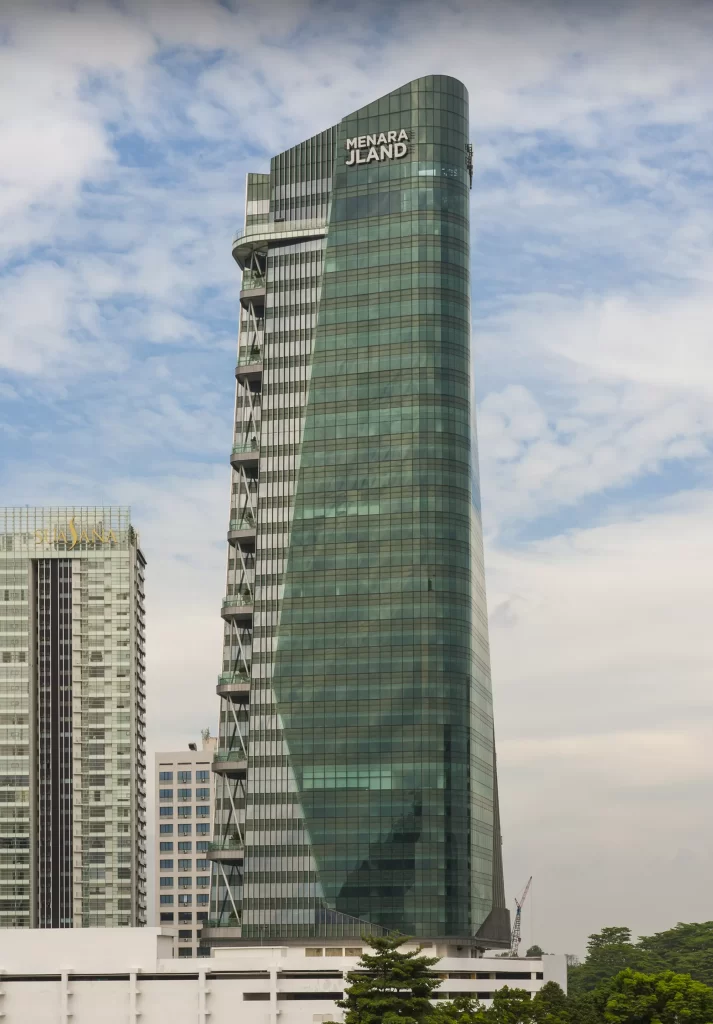
Menara JLand
Menara JLand
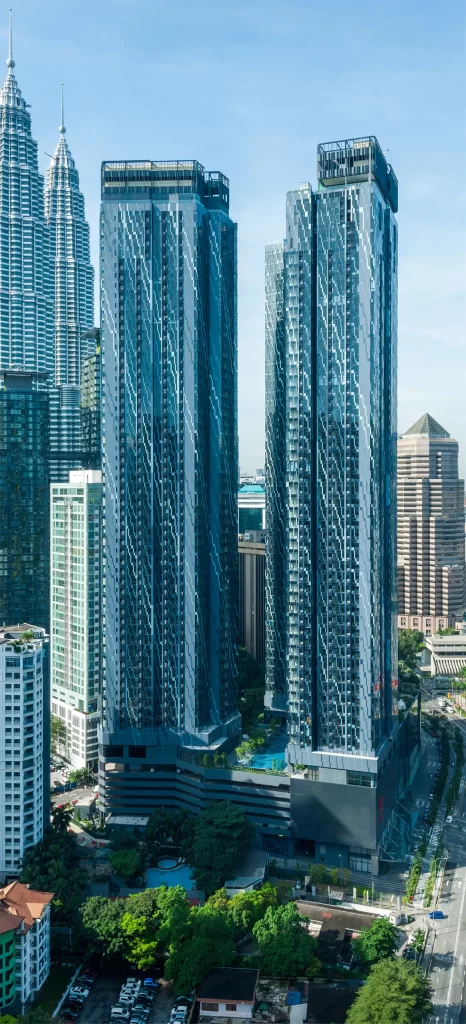
Star Residences
Star Residences
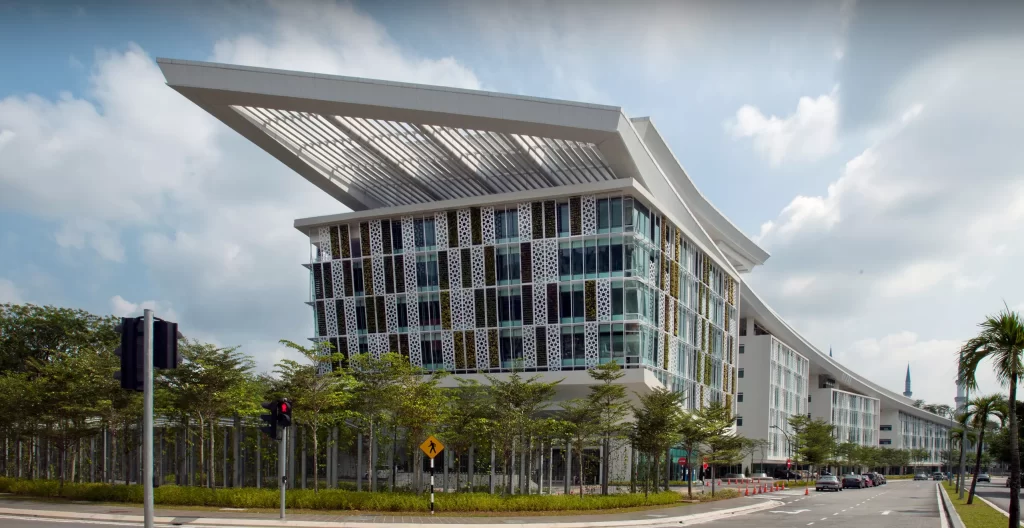
Perbadanan Kemajuan Negeri Selangor
(PKNS Headquarters)
Perbadanan Kemajuan Negeri Selangor (PKNS Headquarters)
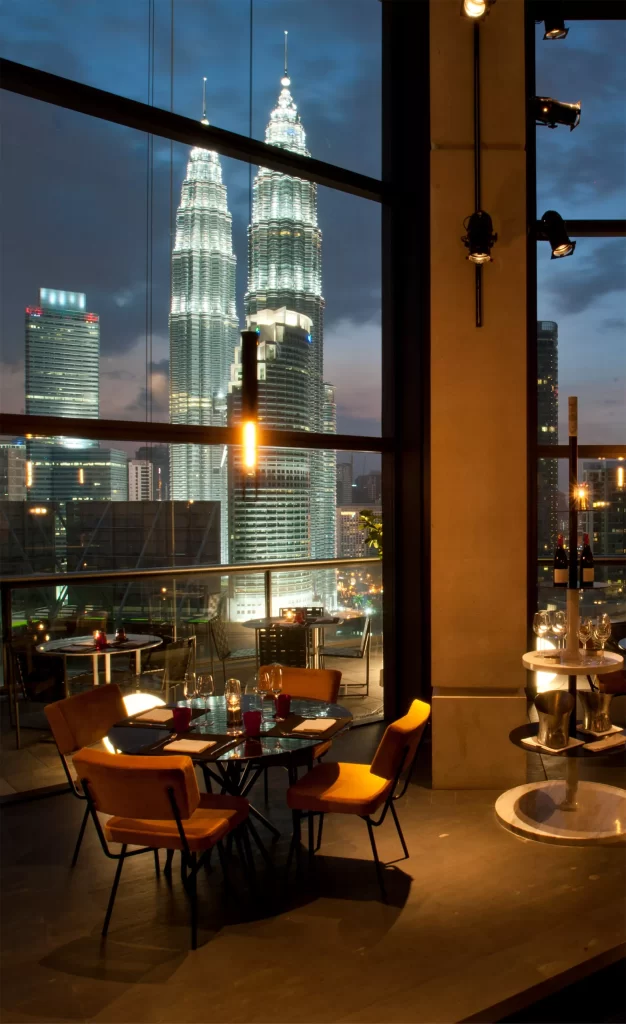
Strato at Troika Sky Dining