Avenue of the Stars
CLIENT
Lippo Mall Kemang
REGION
Jakarta, Indonesia
YEAR
Completed in 2018
GFA
—
DISCIPLINES
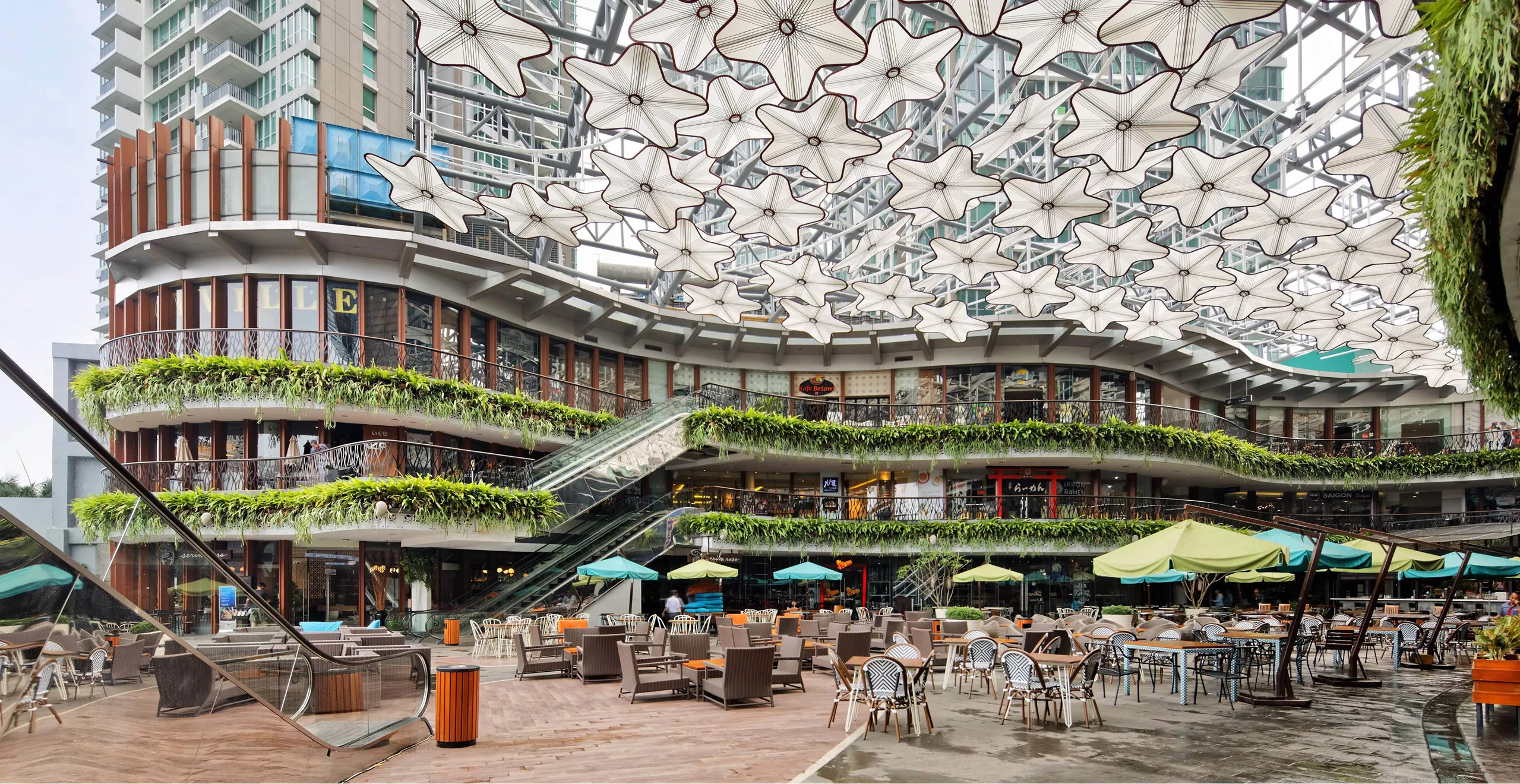
Situated in Lippo Mall Kemang, Jakarta—a vibrant suburb known for its cafes, restaurants, bars, and the expatriate community—the project transforms the mall’s outdoor alfresco area, Avenue of the Stars, into a visually engaging, semi-outdoor performance and leisure space. The design responds to climate, acoustics, and visitor experience, while working within regulatory constraints and making innovative use of existing structural elements.
ARCHITECTURE
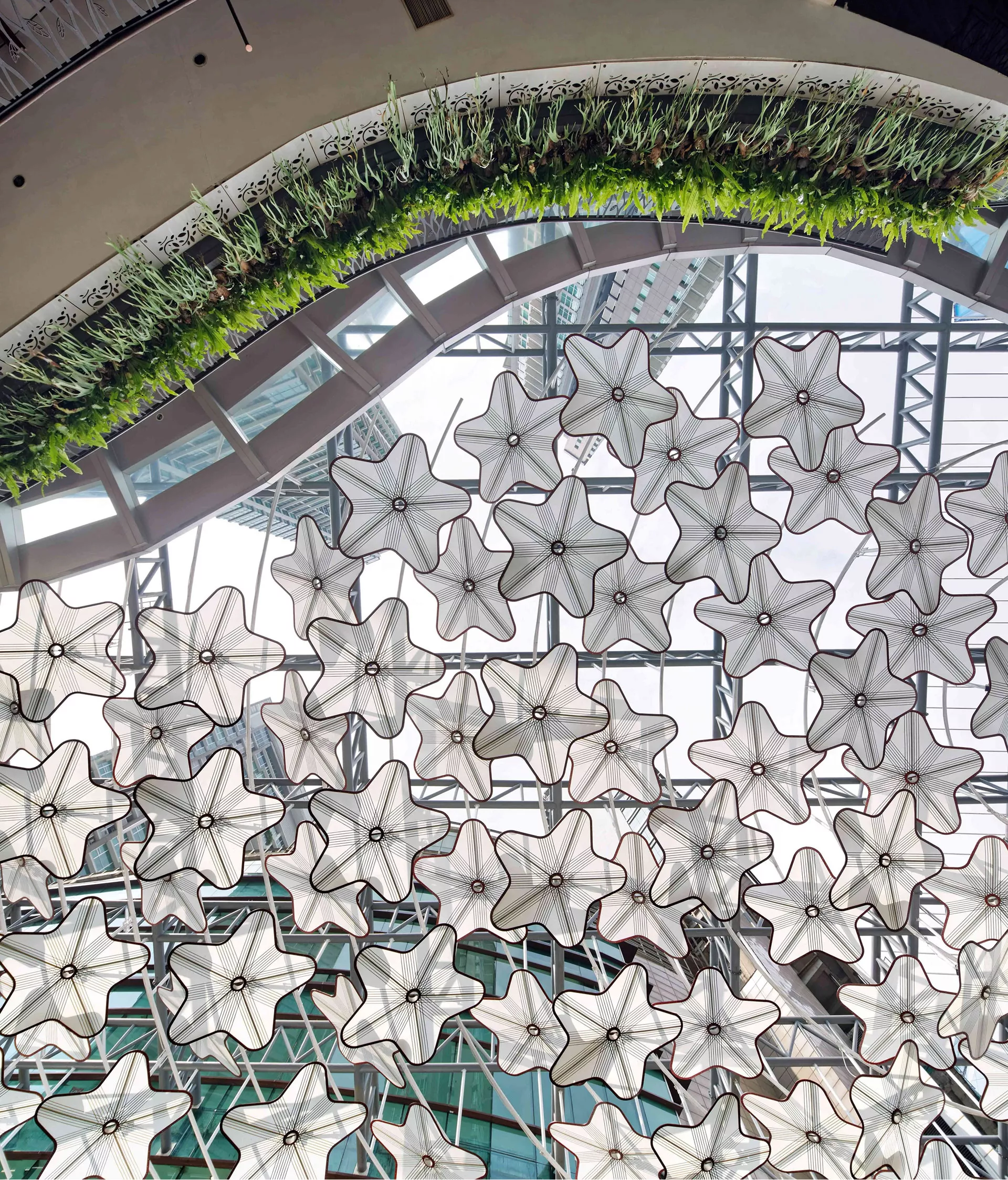
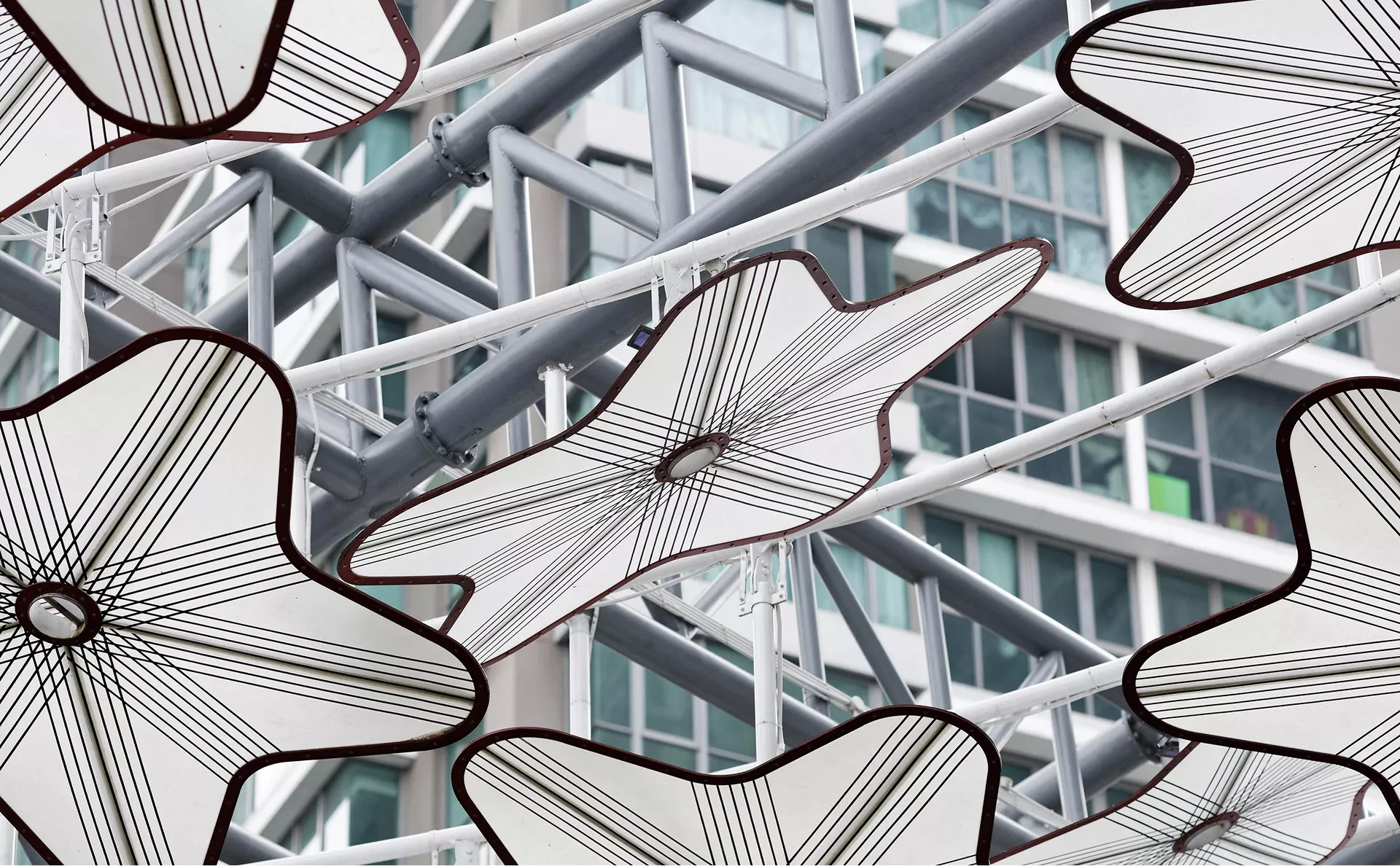
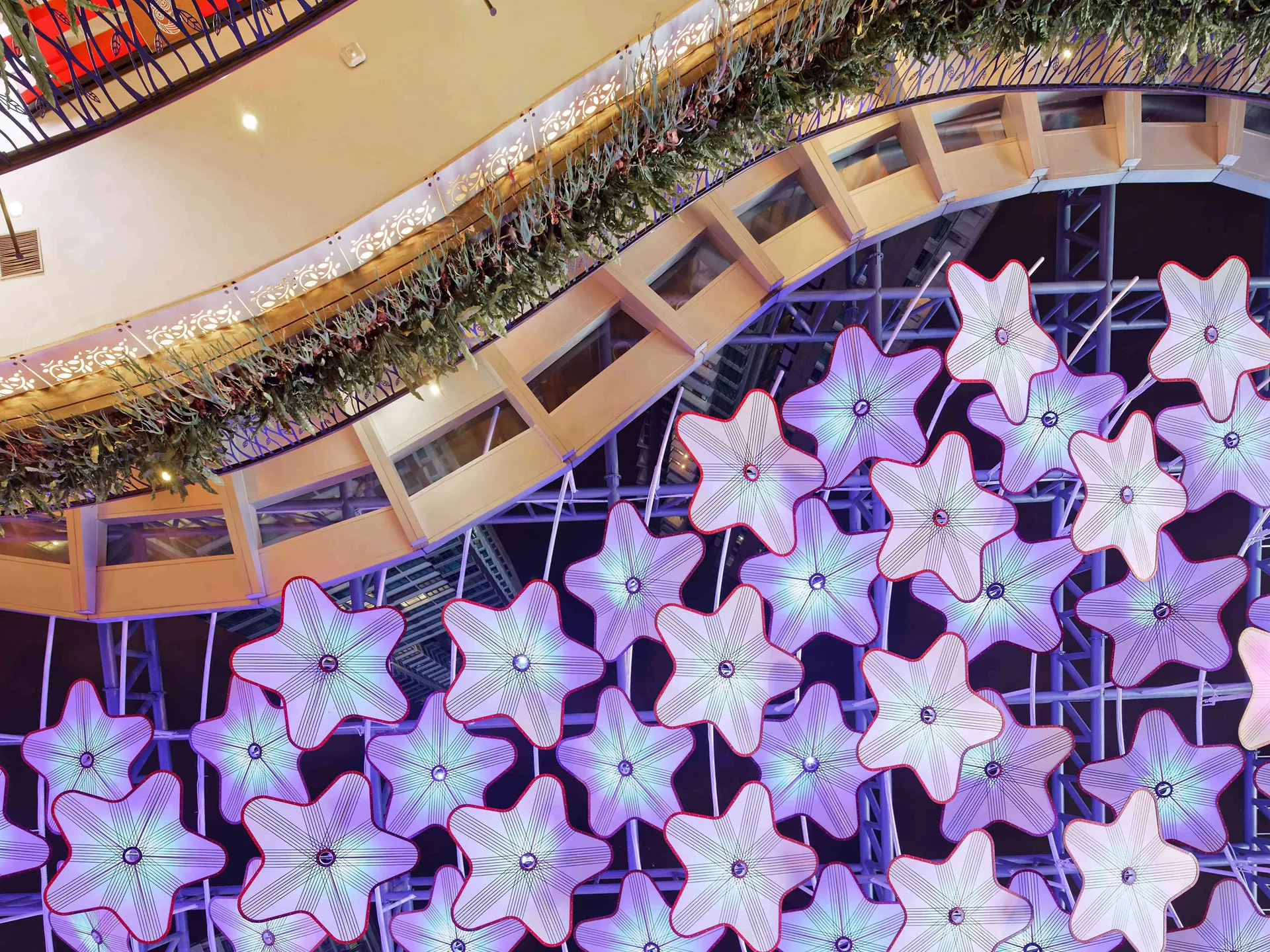
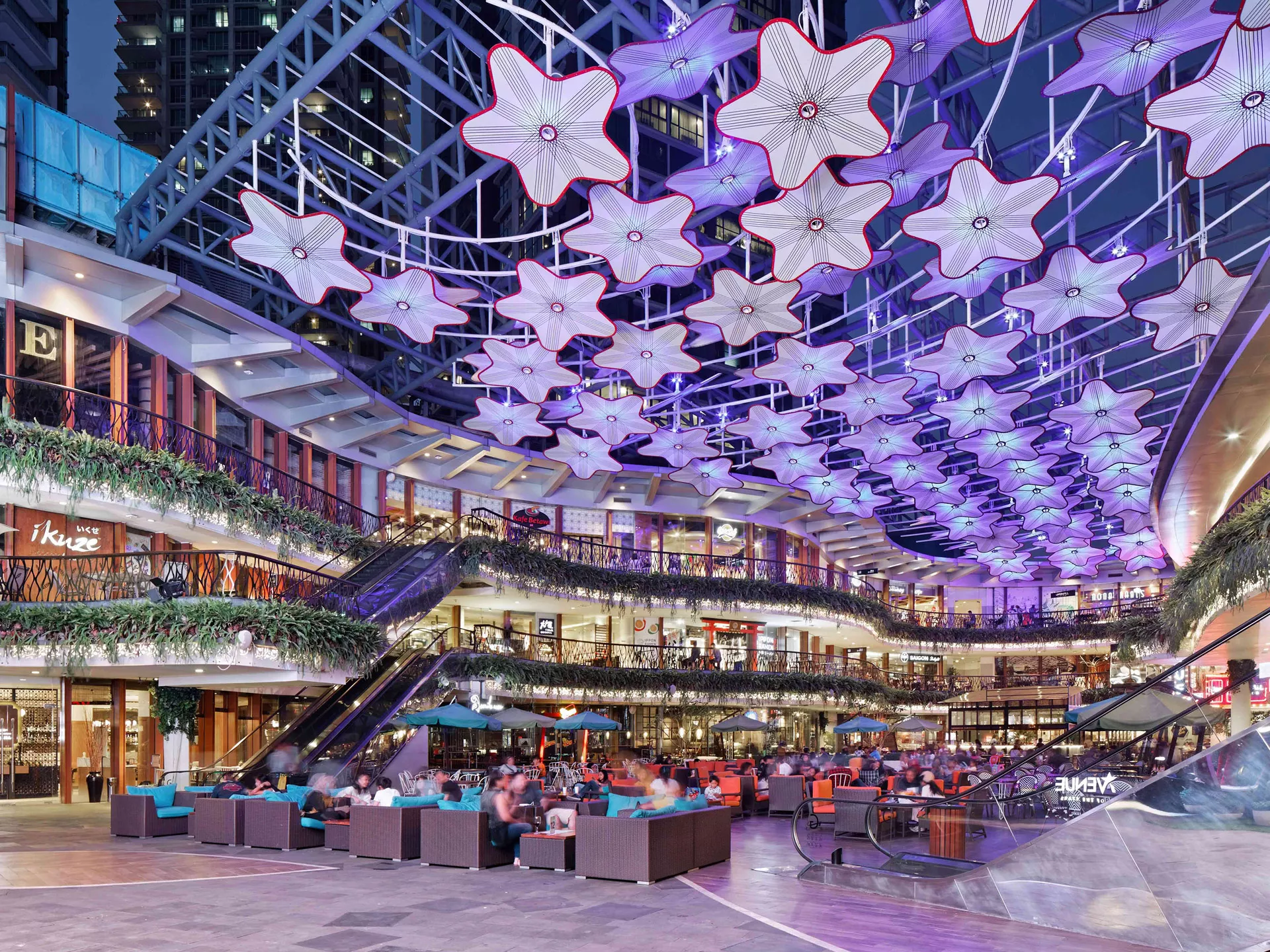
The alfresco zone is defined by two building masses creating an open pocket for dining and performances. Previous attempts to roof the area with glazing were halted due to building coverage limits, leaving a structural grid of steel trusses. To redefine the space without enclosing it, an array of large lantern-like lighting modules was suspended from the existing trusses. Clad in stretch fabric, these lanterns filter direct sunlight, provide partial rain protection, and subtly bounce sound back to the ground, addressing noise complaints from neighboring residential towers.
The modules are uniform in design but adjustable in three angles to optimize visual impact, shading performance, and acoustic behavior. This flexibility allows the installation to respond dynamically to environmental and functional requirements, creating a visually cohesive yet responsive alfresco environment.
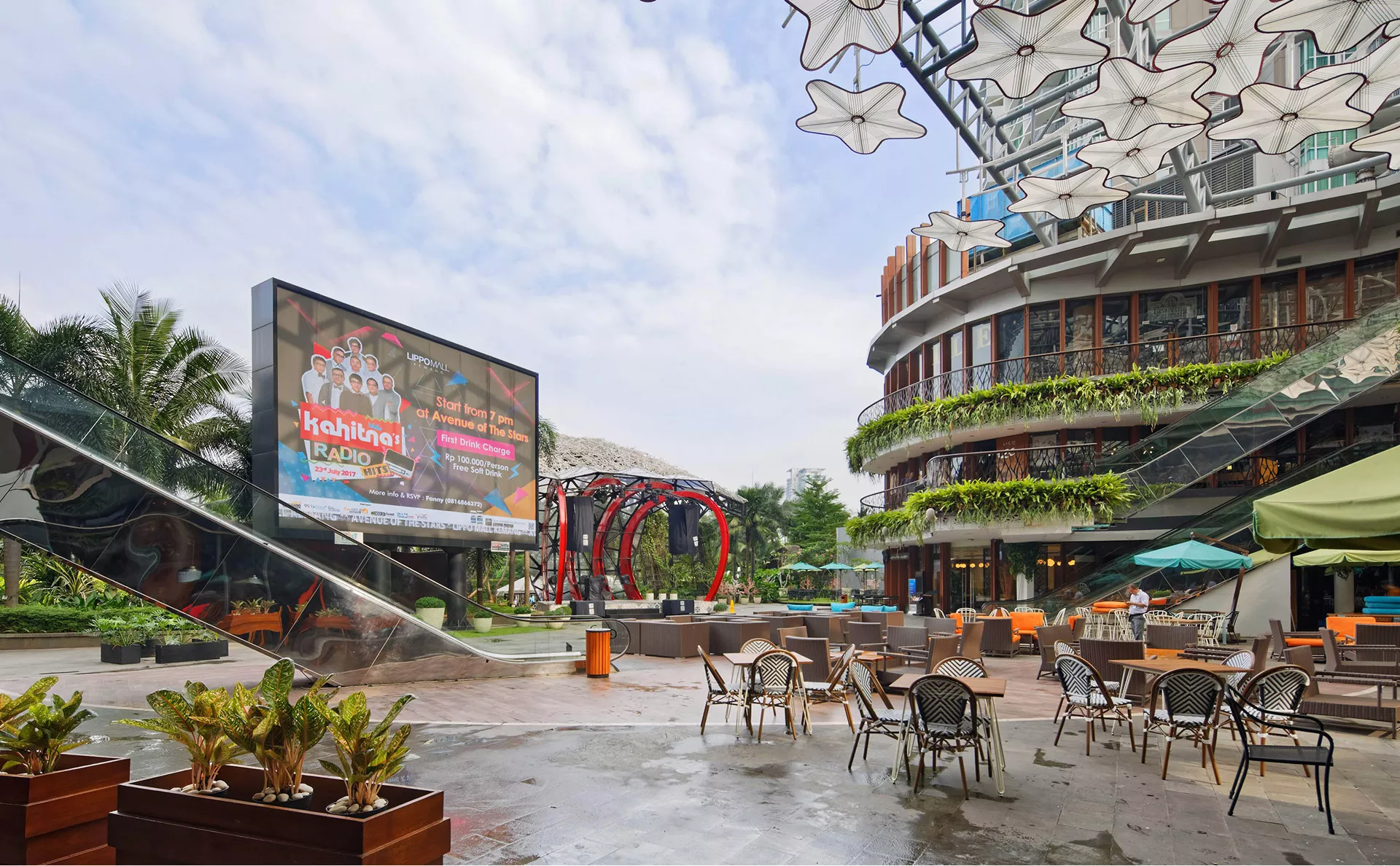
The second key component of the design was a permanent performance stage. Designed to replace a temporary setup, the stage incorporates a transparent roof of clear polycarbonate sheets and supports heavy audio equipment. Its shell-like grid structure, inspired by an oyster, positions performances as ‘pearls’ within the space, ensuring optimal orientation and visibility for audiences.
The design harnesses the power of digital fabrication for precision and efficiency. Planar steel plates were laser-cut using the client’s in-house equipment, allowing direct translation from 3D CAD models to the built form. This workflow minimized traditional drawing processes and streamlined collaboration between design and construction. The project exemplifies a close integration of design, digital modeling and fabrication. The result is a playful, functional, and aesthetically compelling alfresco space that enhances the mall’s appeal and draws significant visitor engagement.
Learn About Our Projects
Menara Binjai
Bruas House
Saloma Link
VanaVasa Resort
1 Sentral
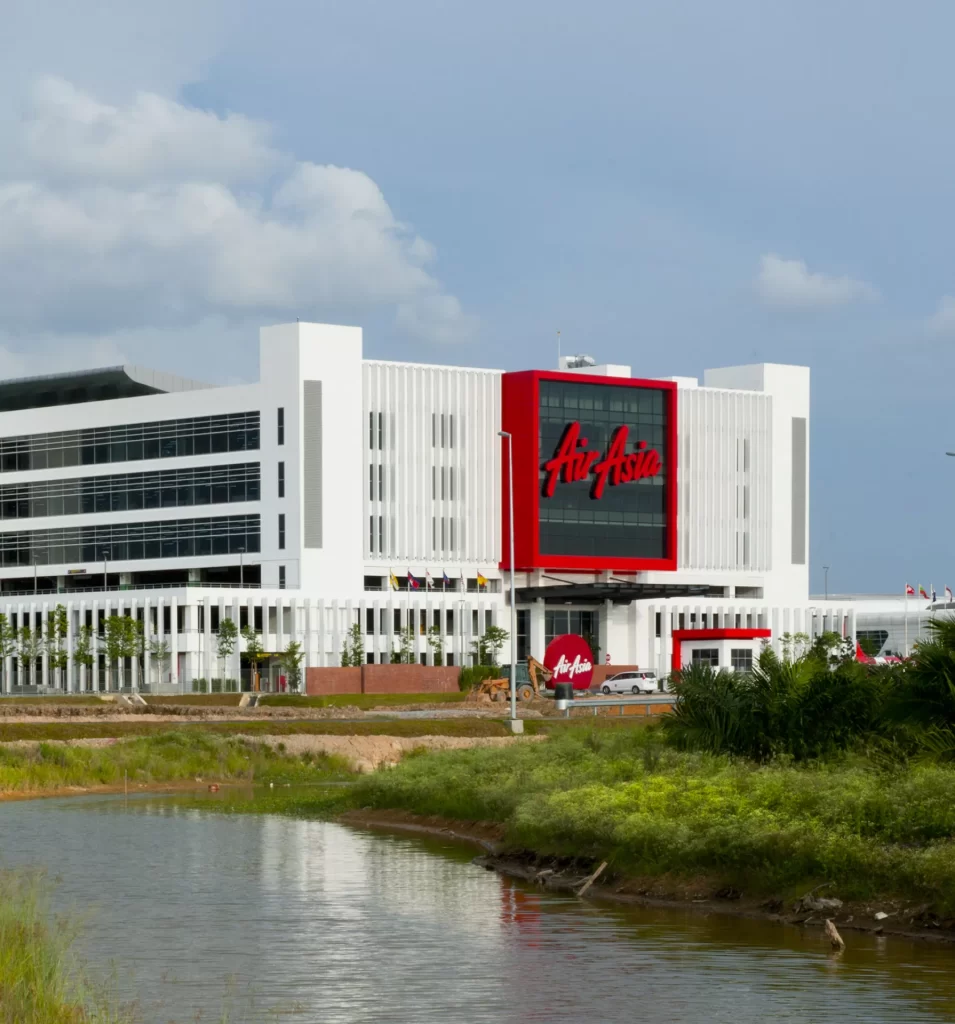
AirAsia RedQ
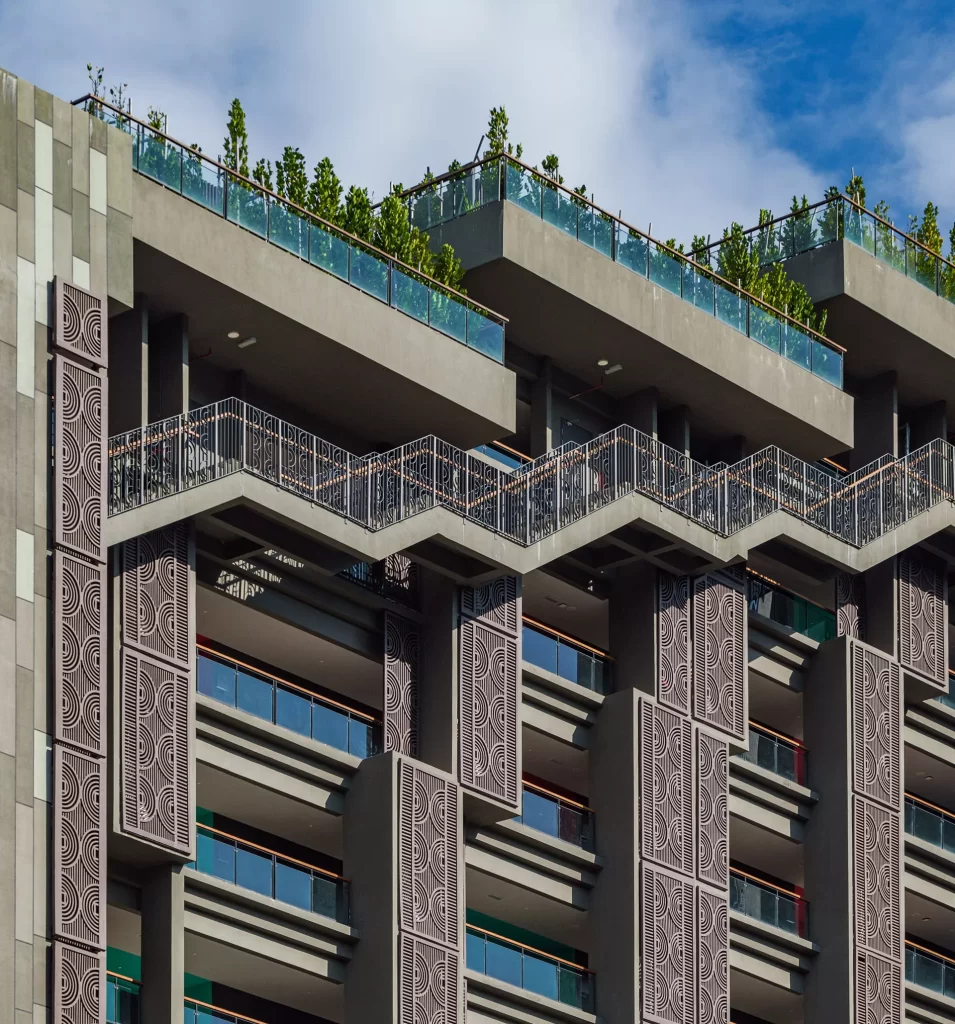
Angsana Teluk Bahang
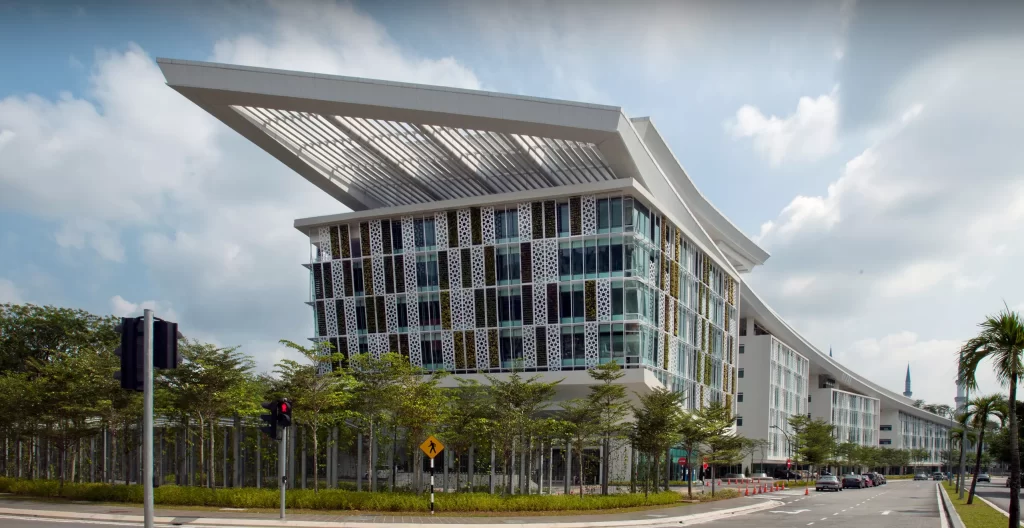
Perbadanan Kemajuan Negeri Selangor (PKNS Headquarters)
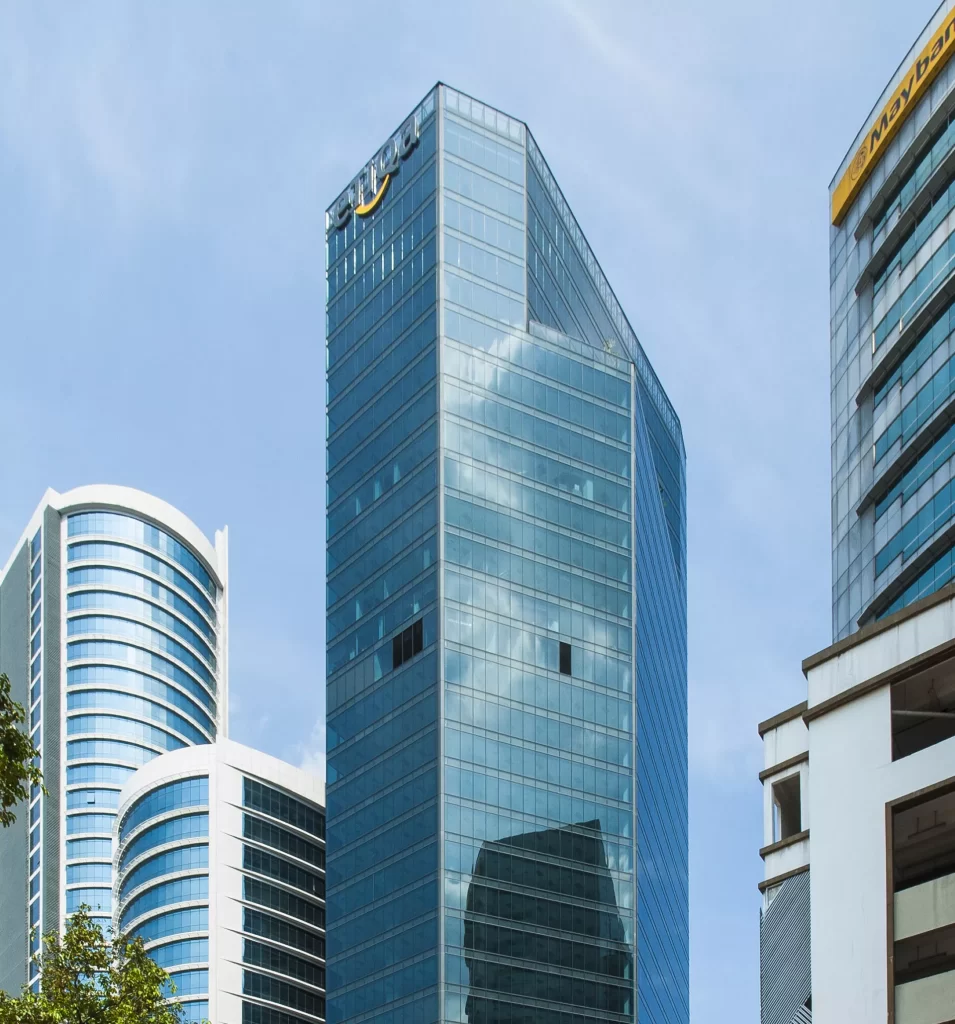
Menara Etiqa
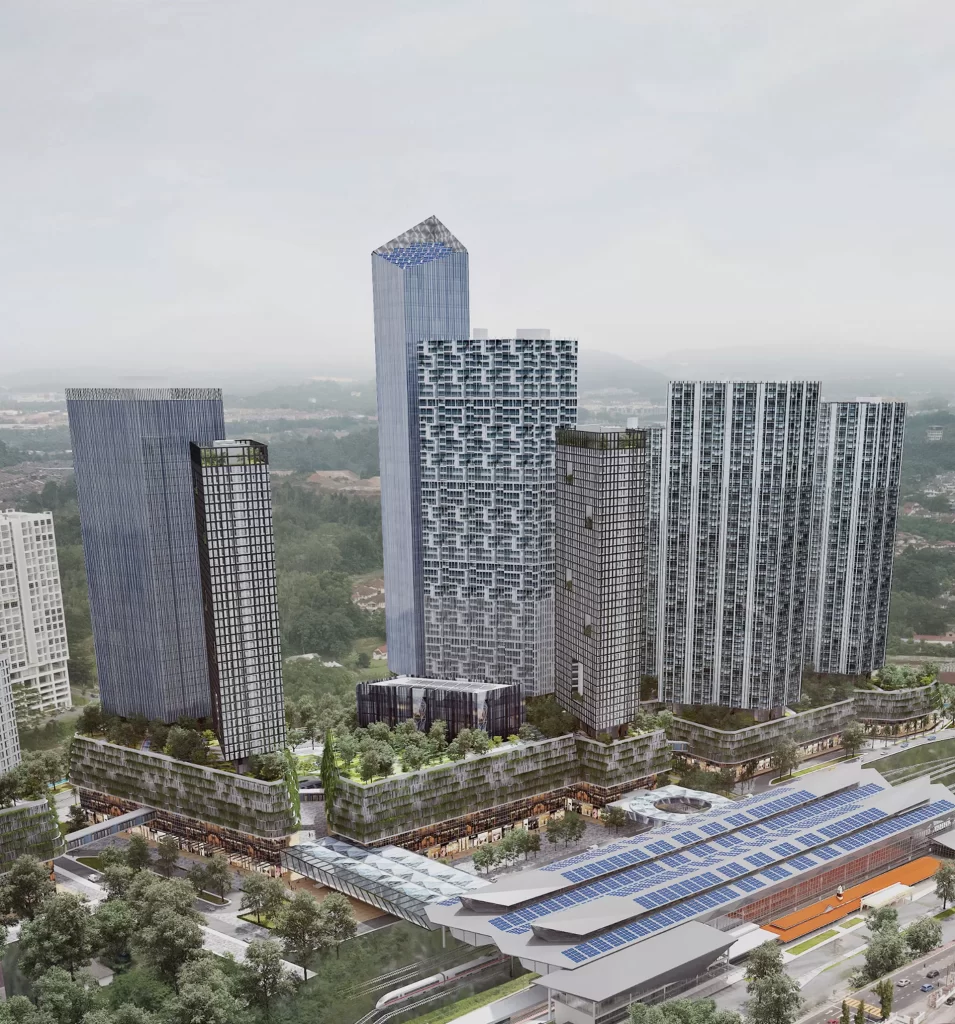
Seremban Sentral
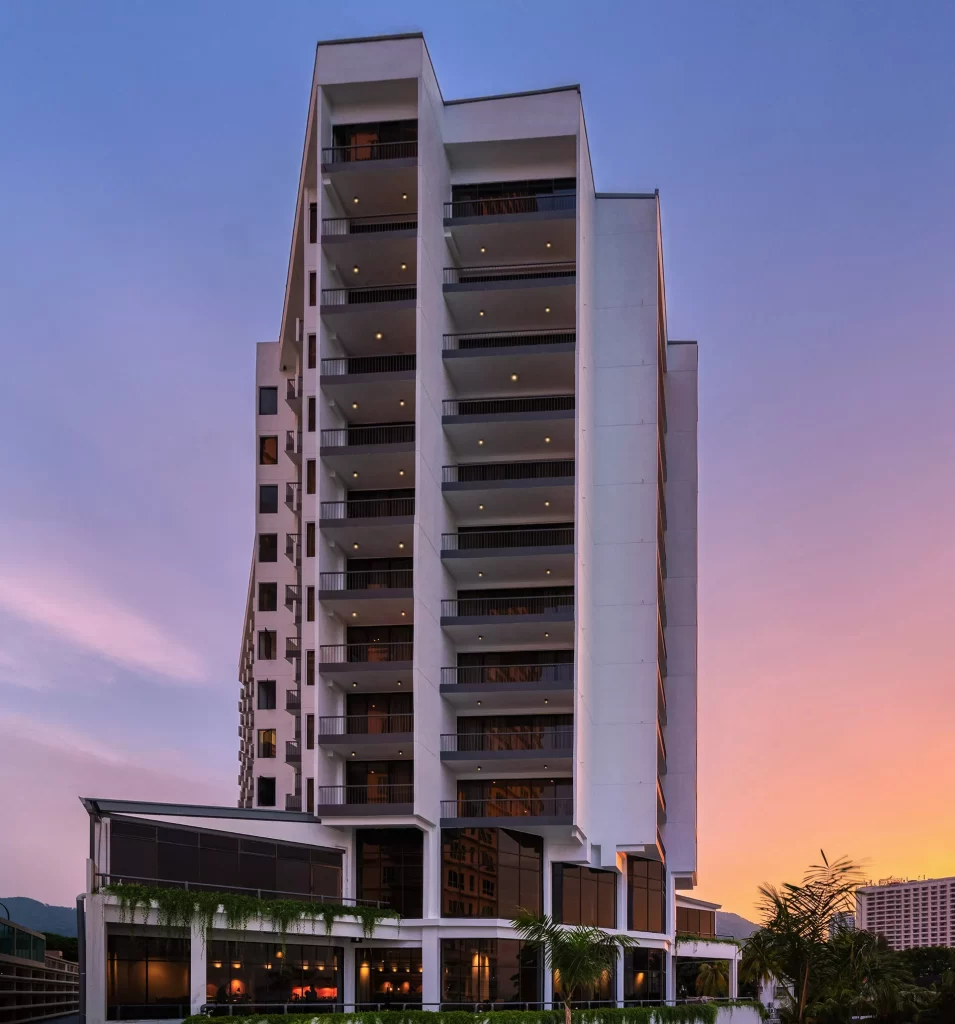
M Social Resort Penang
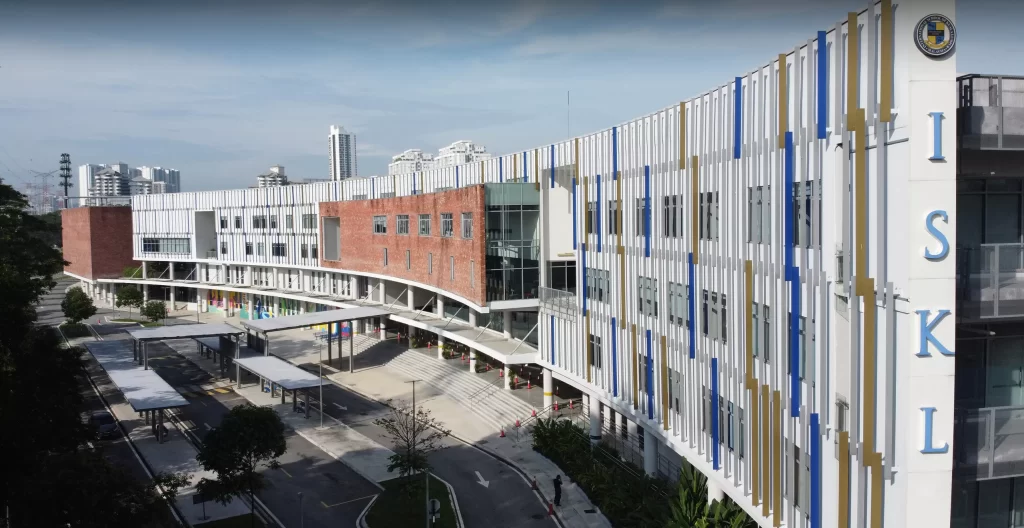
International School of Kuala Lumpur (ISKL)
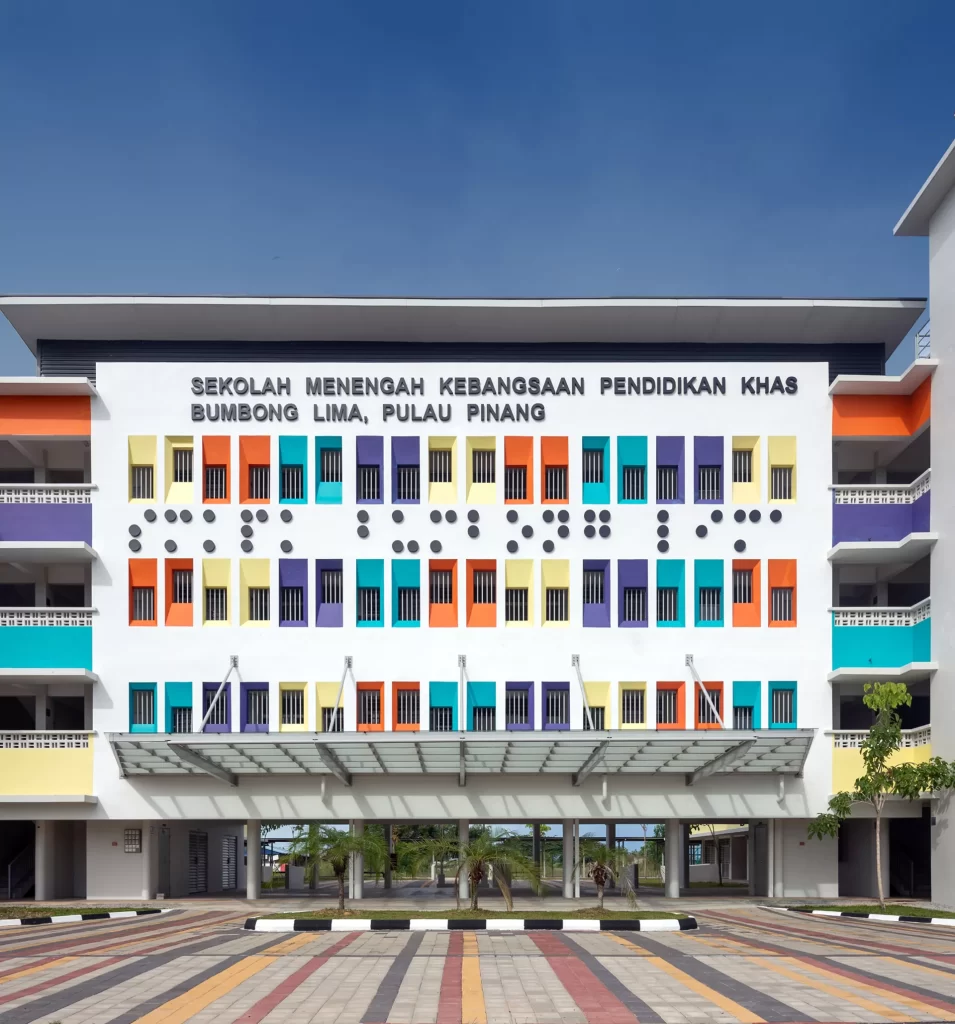
SMKPK Bumbong Lima
Imperial Lexis Kuala Lumpur
AMUR Studio