An Intricate Edifice of Culture and Diplomacy

Indian High Commission
CLIENT
High Commission of India
REGION
Kuala Lumpur
YEAR
On-going
GFA
—
DISCIPLINES
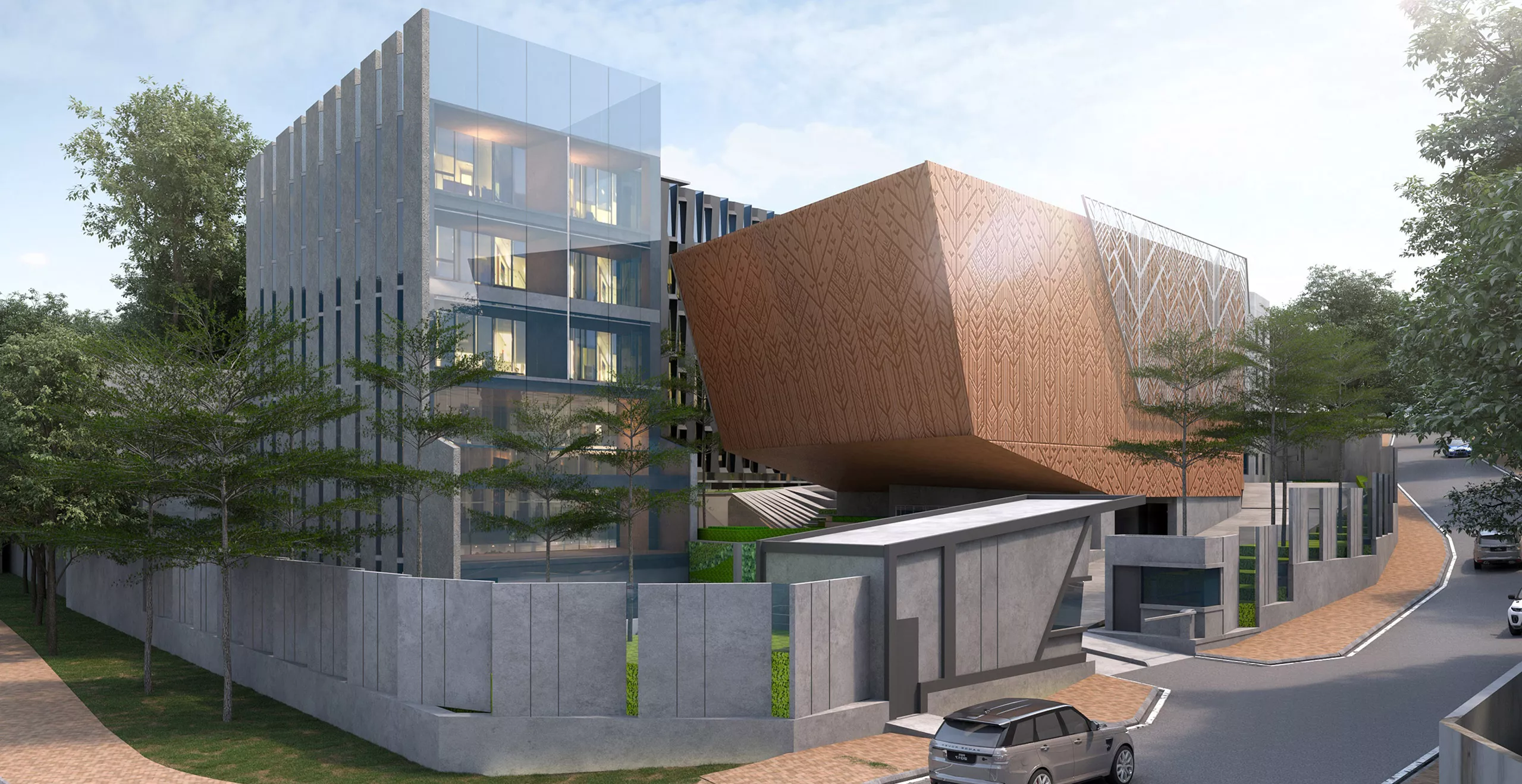
The High Commission of India in Kuala Lumpur reimagines the role of a diplomatic mission in the 21st century. Beyond its formal duties, it positions itself as a cultural envoy—celebrating Indian heritage while fostering meaningful engagement with Malaysia through architecture that balances security with openness and shared identity.
ARCHITECTURE
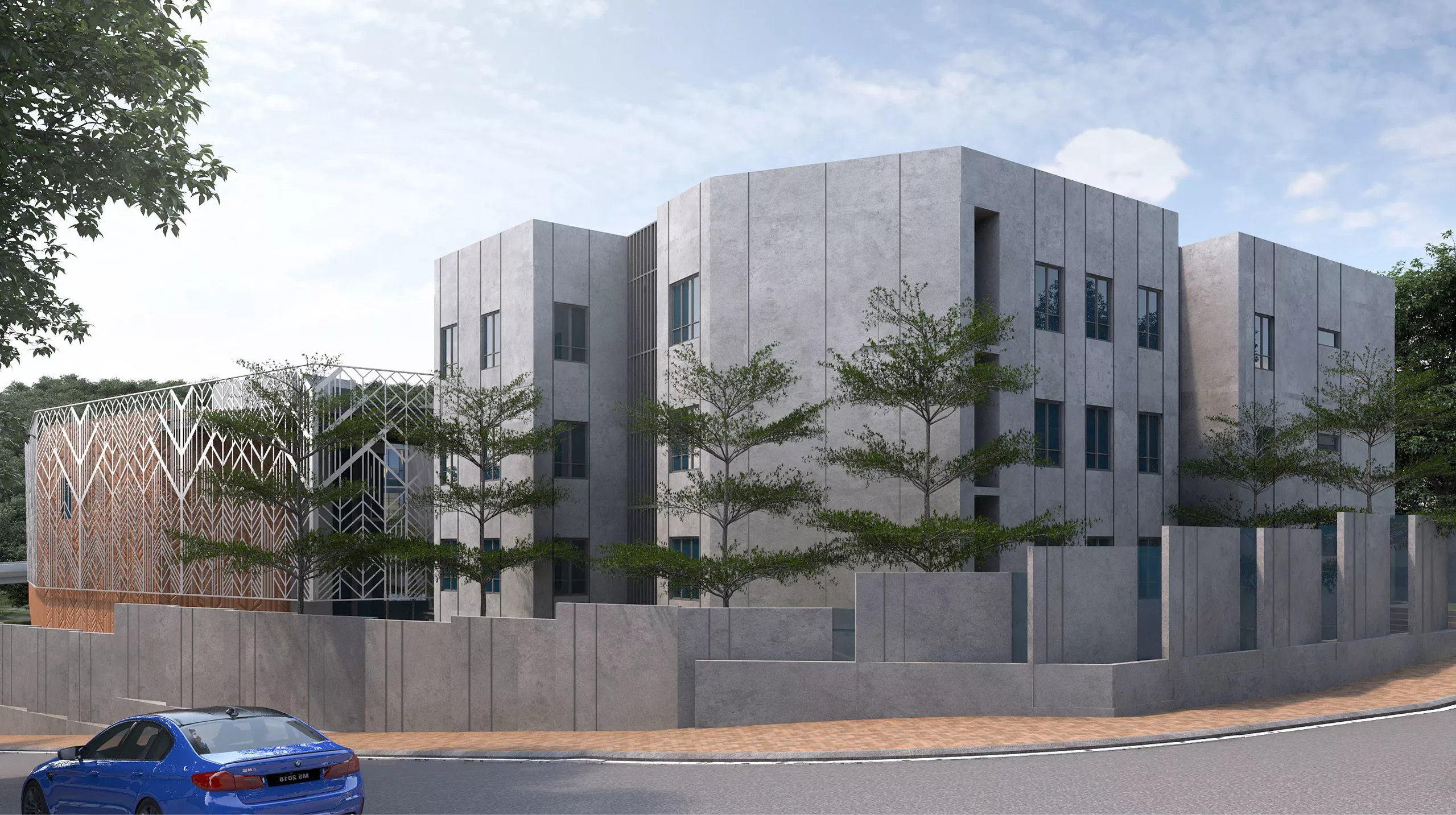
The High Commission of India in Kuala Lumpur stands as a dignified yet progressive expression of India’s soft power, embodying both resilience and reach through a design that is as diplomatic as it is architectural. The design reflects the evolving identity of modern diplomacy, shifting from guarded formality to active cultural outreach. Comprising three key components—the Chancery, the Cultural Centre, and the Residences—the complex functions not only as a seat of governance but also as a vibrant cultural node.
Breaking away from the traditional fortress-like embassy model, the architecture of the HCI is intentionally layered and expressive. While the outer walls are constructed from blast-proof cast concrete for security, the spatial arrangement opens inward, symbolizing transparency, dialogue, and accessibility. Courtyards, open walkways, and framed vistas offer glimpses into Indian culture and its contemporary relevance in a global context.
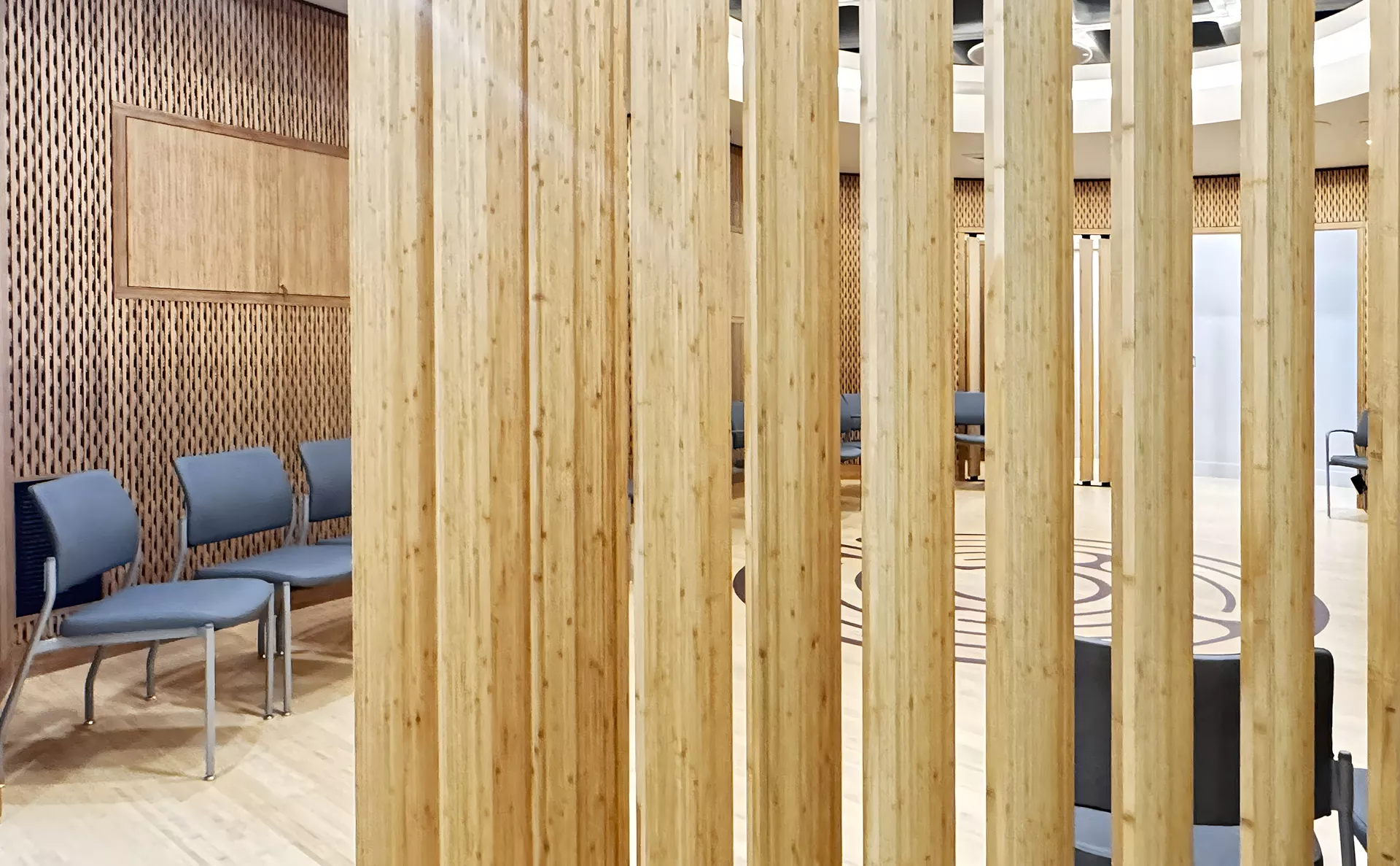
Indian heritage is deeply embedded in the architectural language—from subtle references to traditional motifs and spatial planning that echoes the rhythm of classical Indian architecture. These heritage and architectural elements can be observed through the courtyards, open walkways, and framed vistas, along with their contemporary relevance in a global context. The Cultural Centre, in particular, serves as an active interface with the public, hosting events and exhibitions that promote dialogue and understanding.
QUANTITY SURVEYING
In addition to design services, our team also provided procurement strategies and detailed elemental cost plans from the pre-contract stage based on preliminary cost estimates and budgeting. Cost checks throughout the design development phase ensured timely advice on the financial implications of design changes and value engineering input. Concluding the pre-contract activities was the tender documentation stage that required preparation of Bills of Quantities, preliminaries, and pricing documents, as well as assistance with tender queries, analysis, reporting, contractor recommendation, and negotiations.
Post-contract, controlled project costs and monthly financial reports ensured progress payments. Variations were assessed and priced, and contractor claims, including extensions of time and loss and expense, were evaluated to maintain effective financial management throughout construction.
Learn About Our Projects
Expressionz
Professional Suites
Expressionz Professional Suites
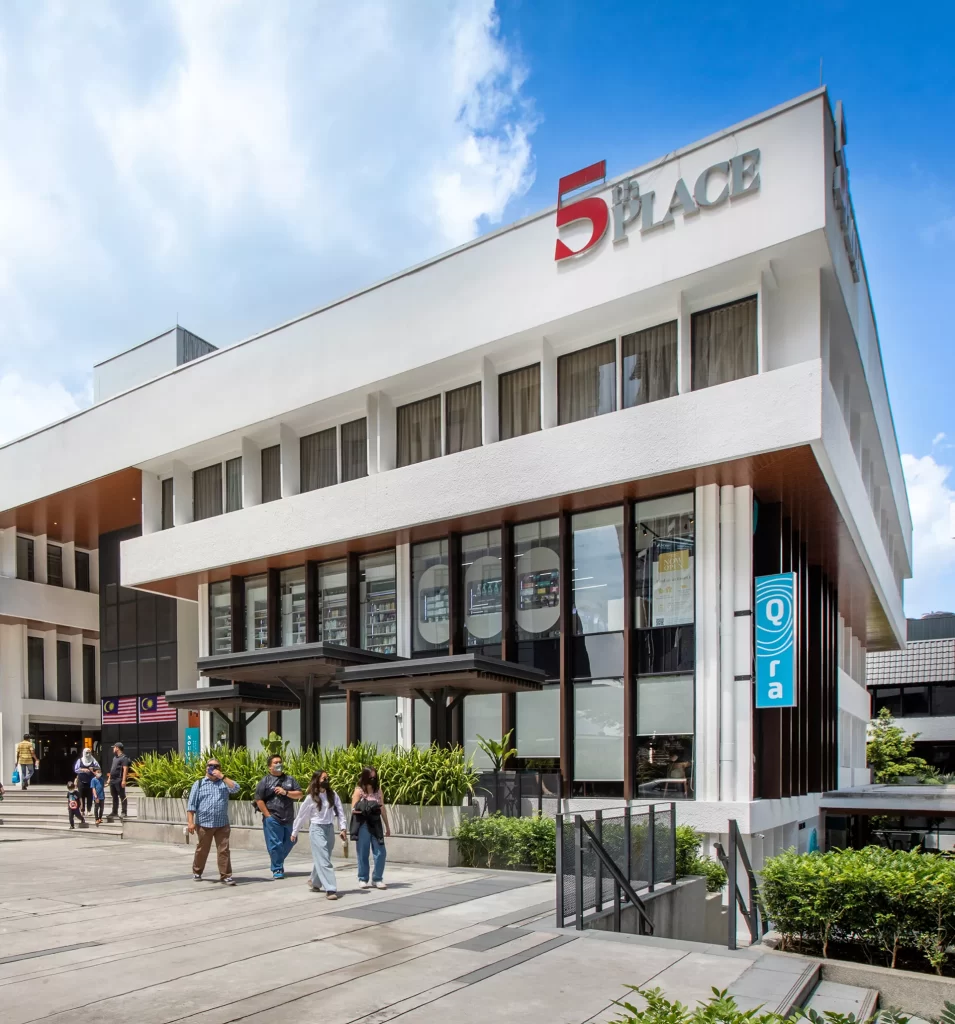
The Five @ KPD
The Five @ KPD
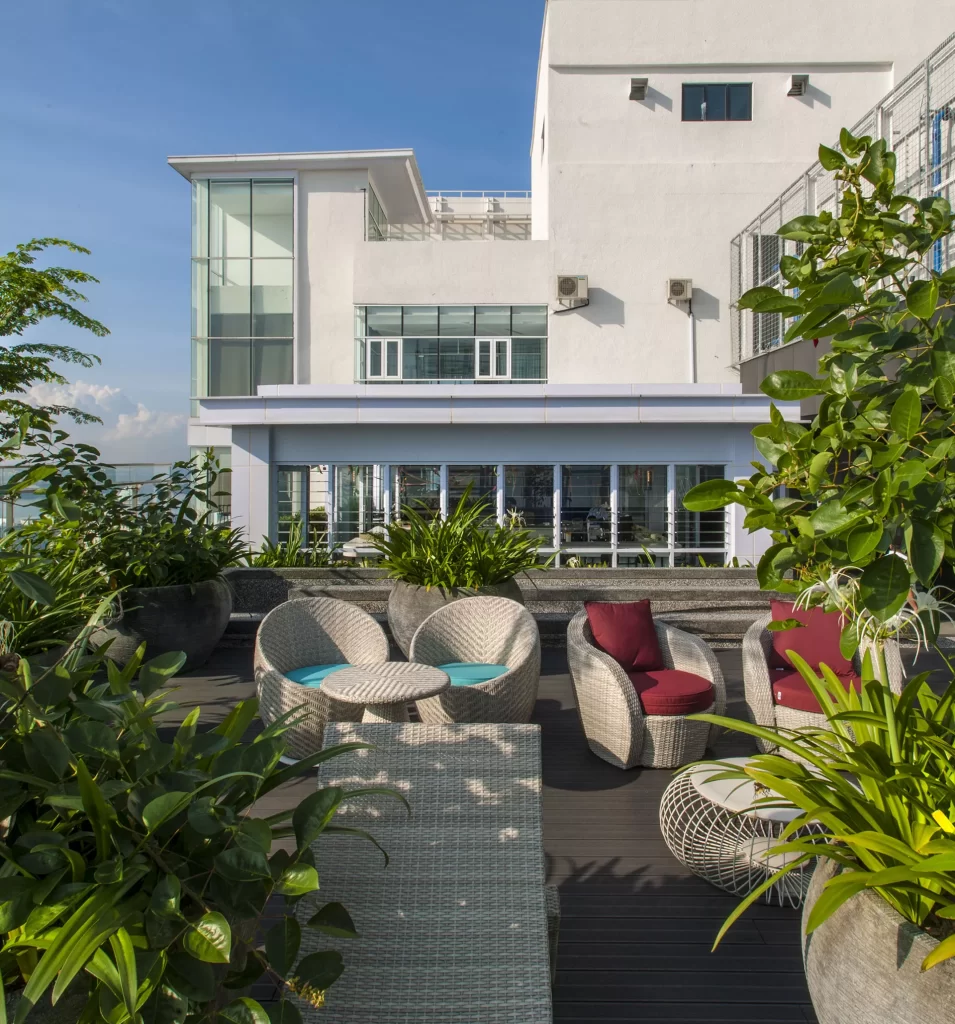
Suasana Iskandar Malaysia
Suasana Iskandar Malaysia
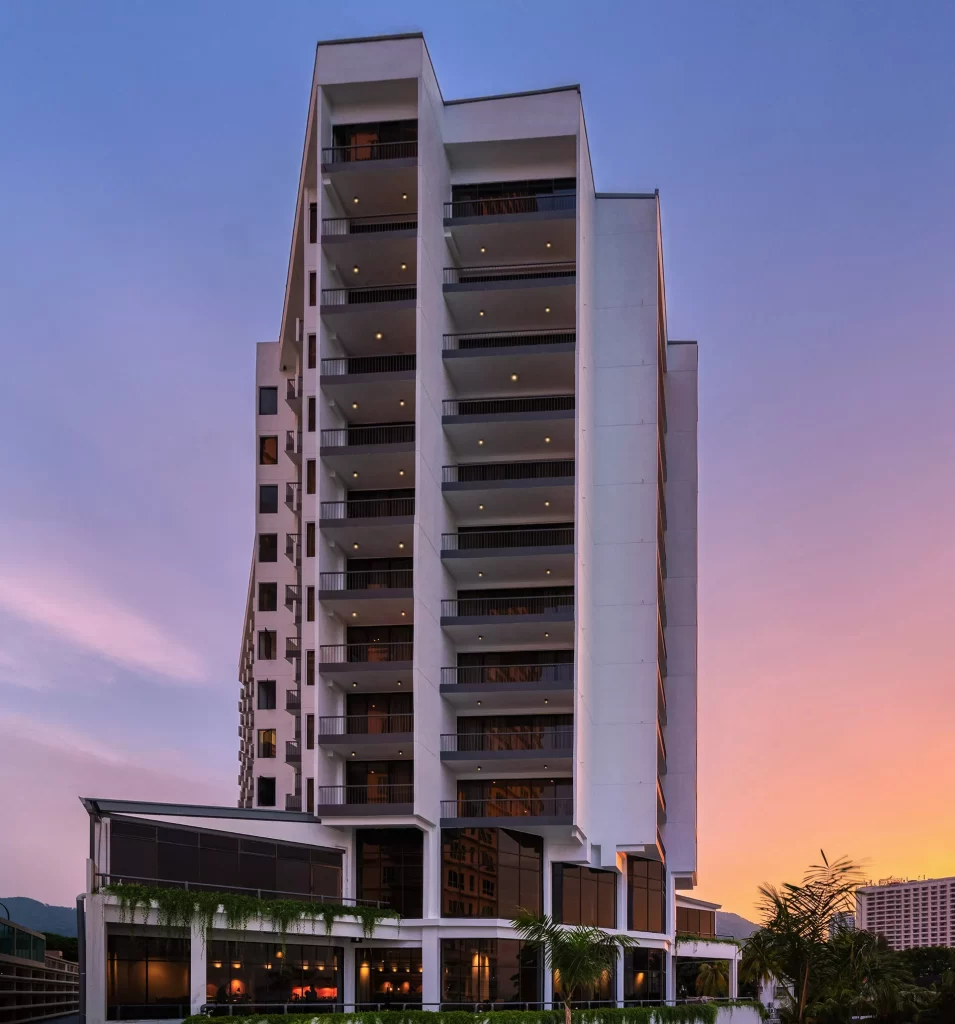
M Social Resort Penang
M Social Resort Penang
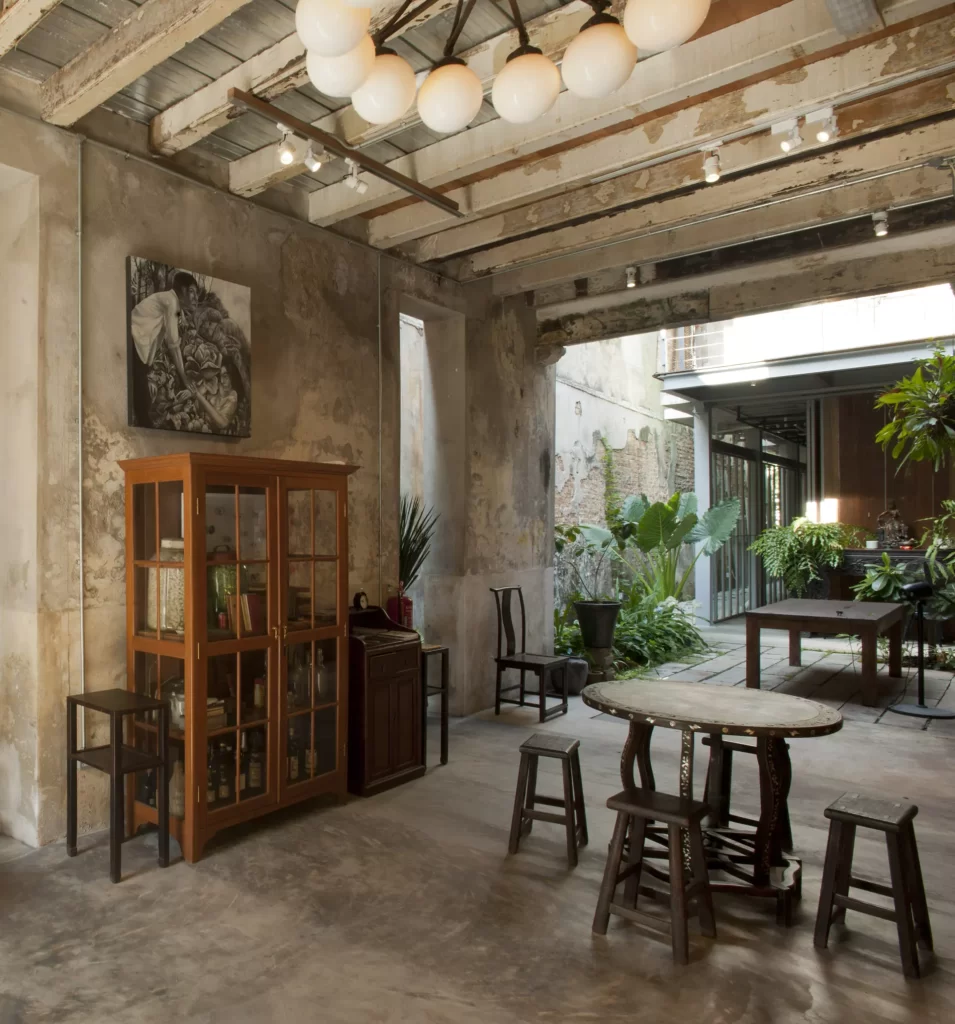
Sinkeh Hotel
Sinkeh Hotel
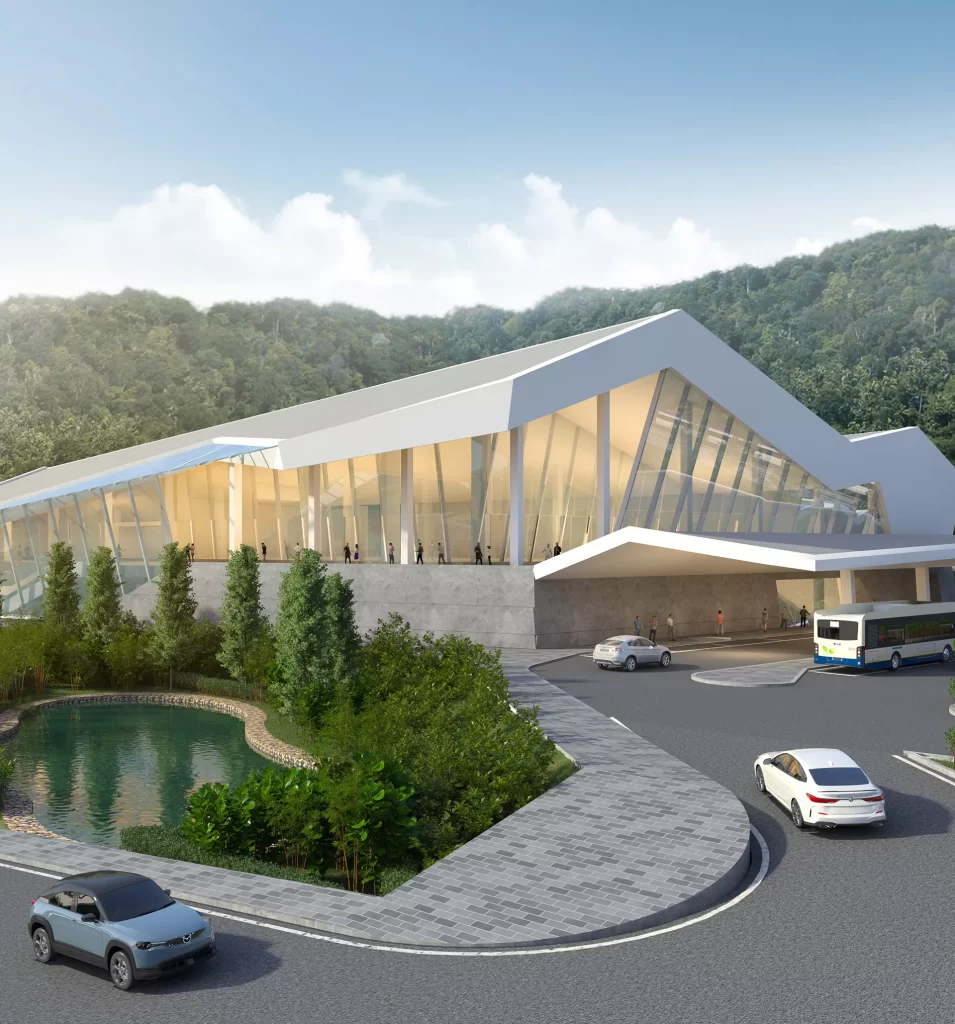
East Coast Rail Link (ECRL) Stations
East Coast Rail Link (ECRL) Stations
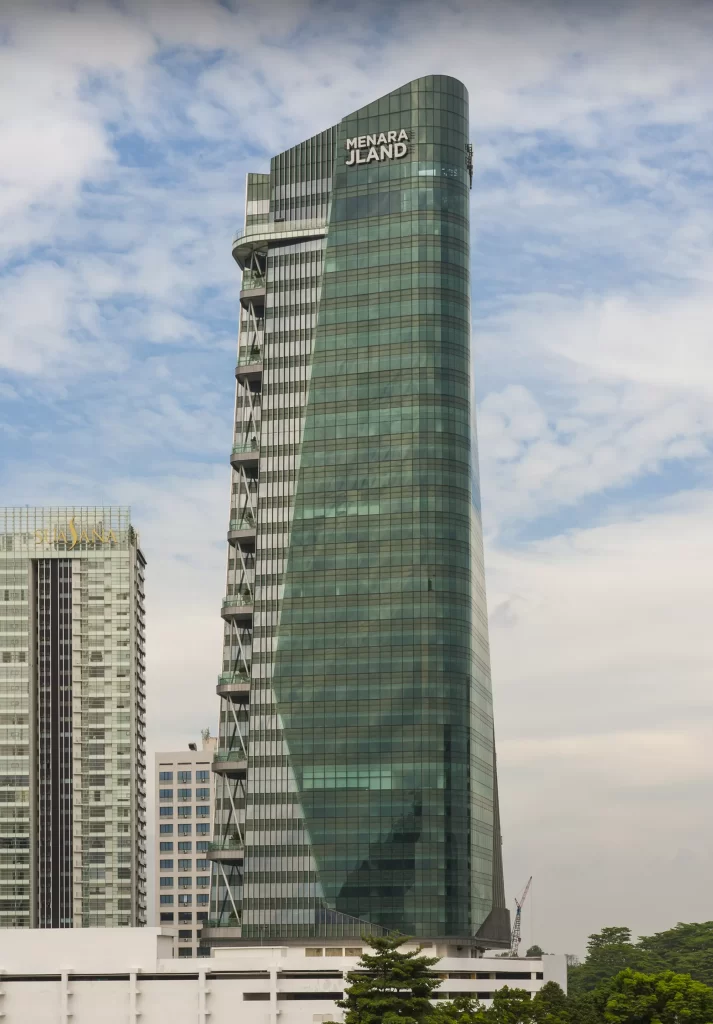
Menara JLand
Menara JLand
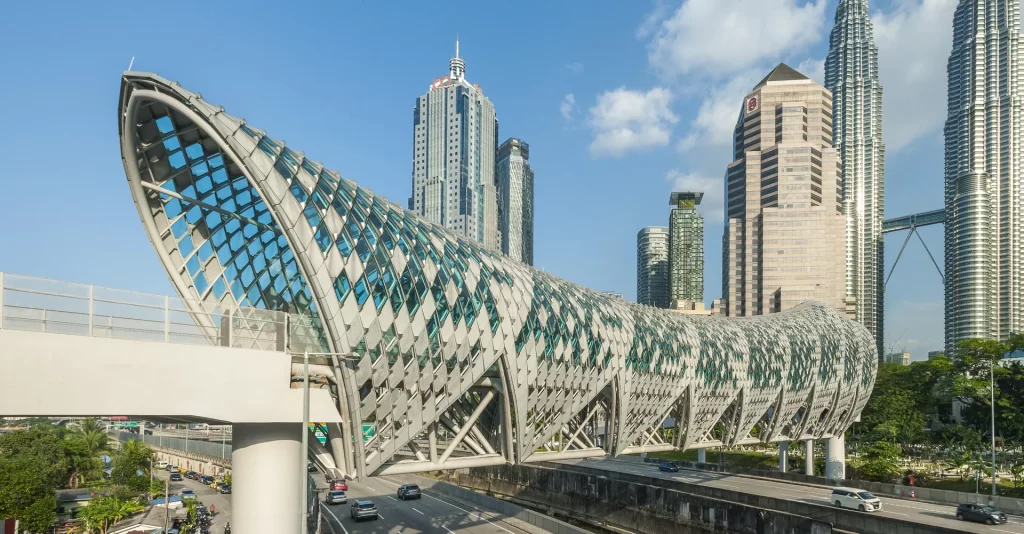
Saloma Link
Saloma Link
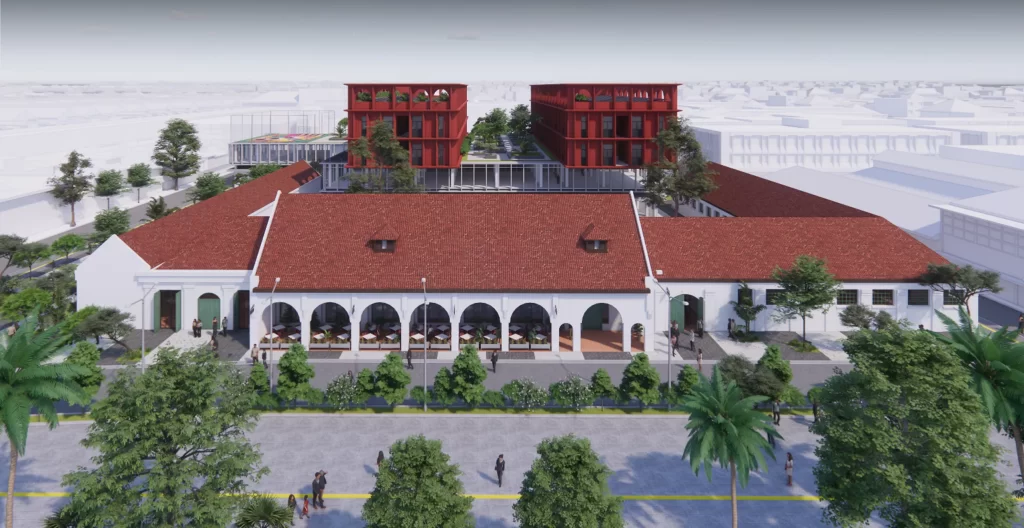
Taman Kota Intan Competition
Taman Kota Intan Competition
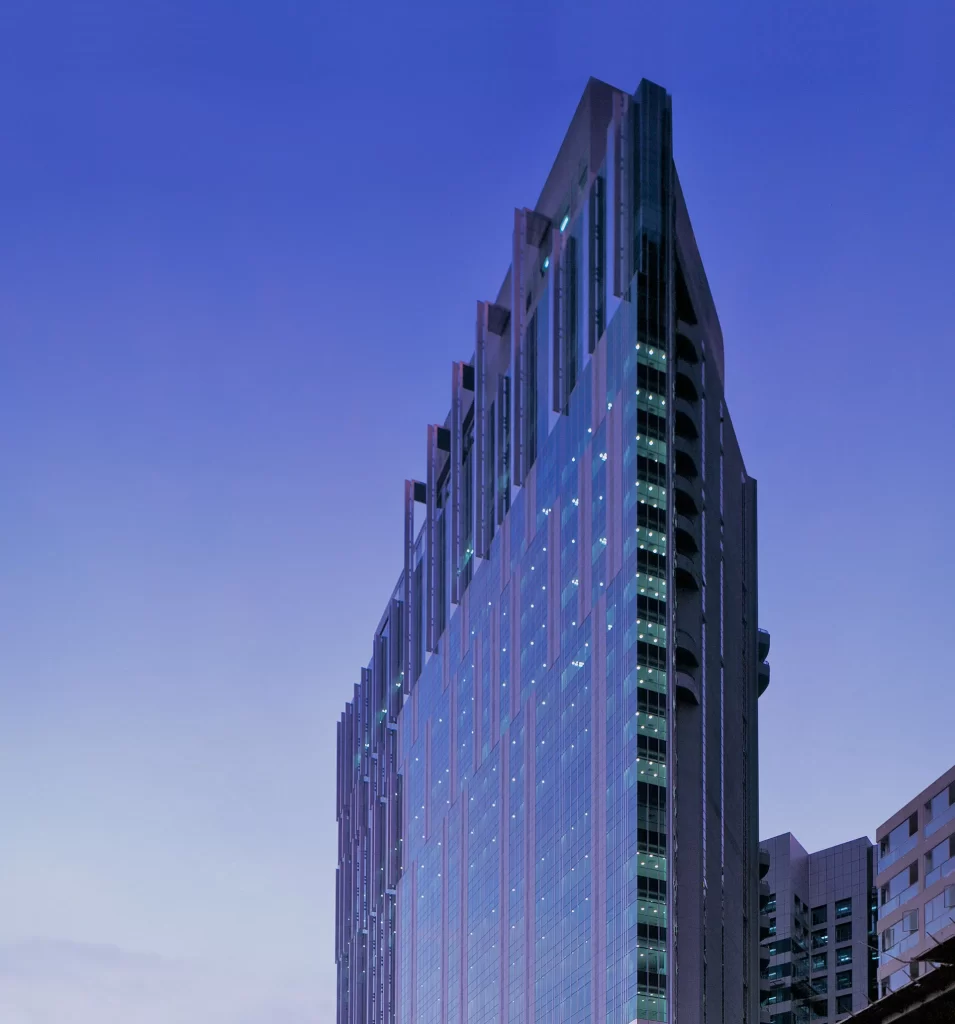
1 Sentral
1 Sentral
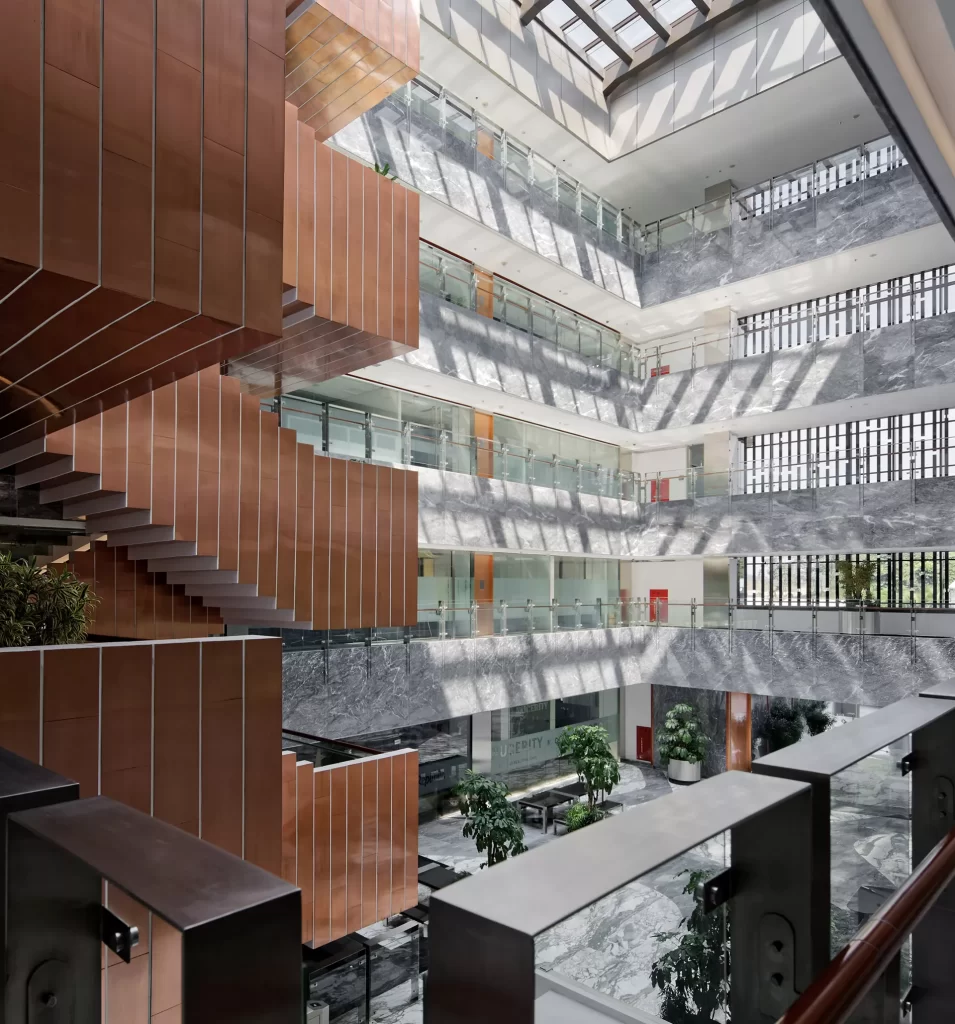
Green Office Park 6
Green Office Park 6
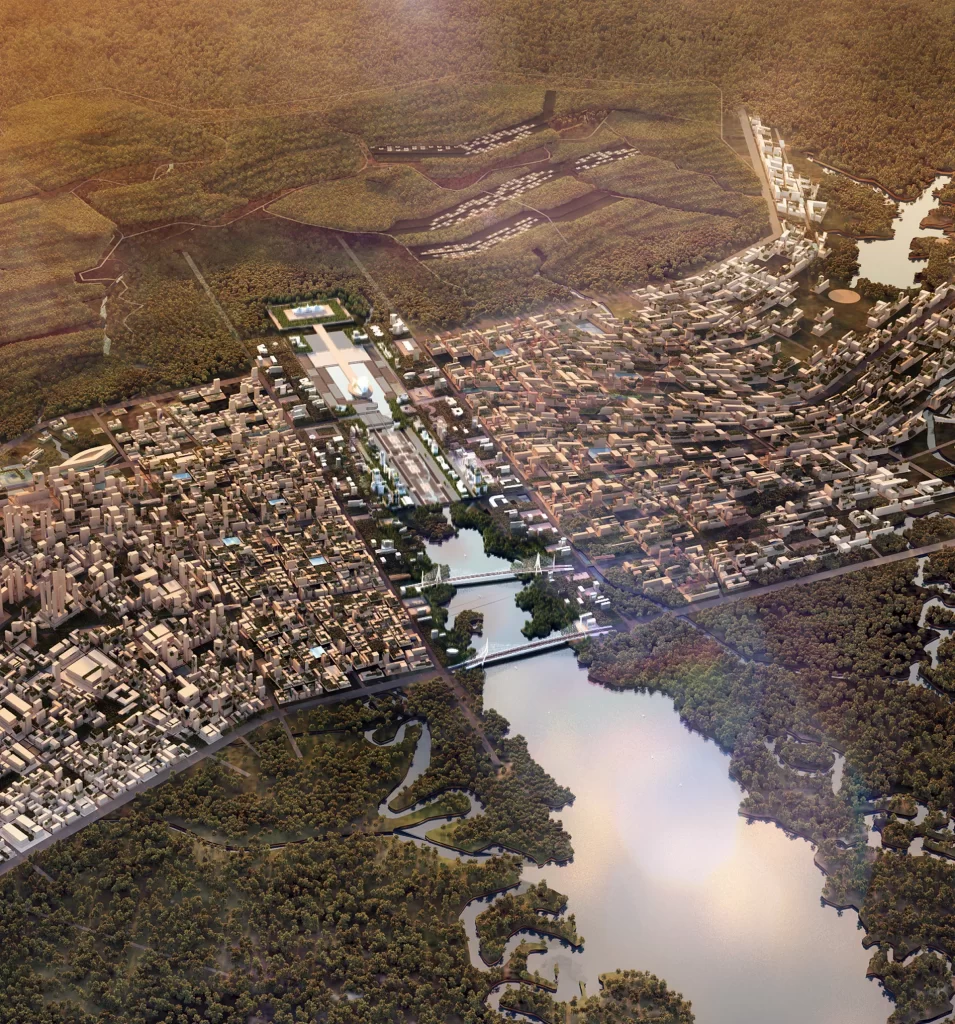
Ibu Kota Negara
Ibu Kota Negara
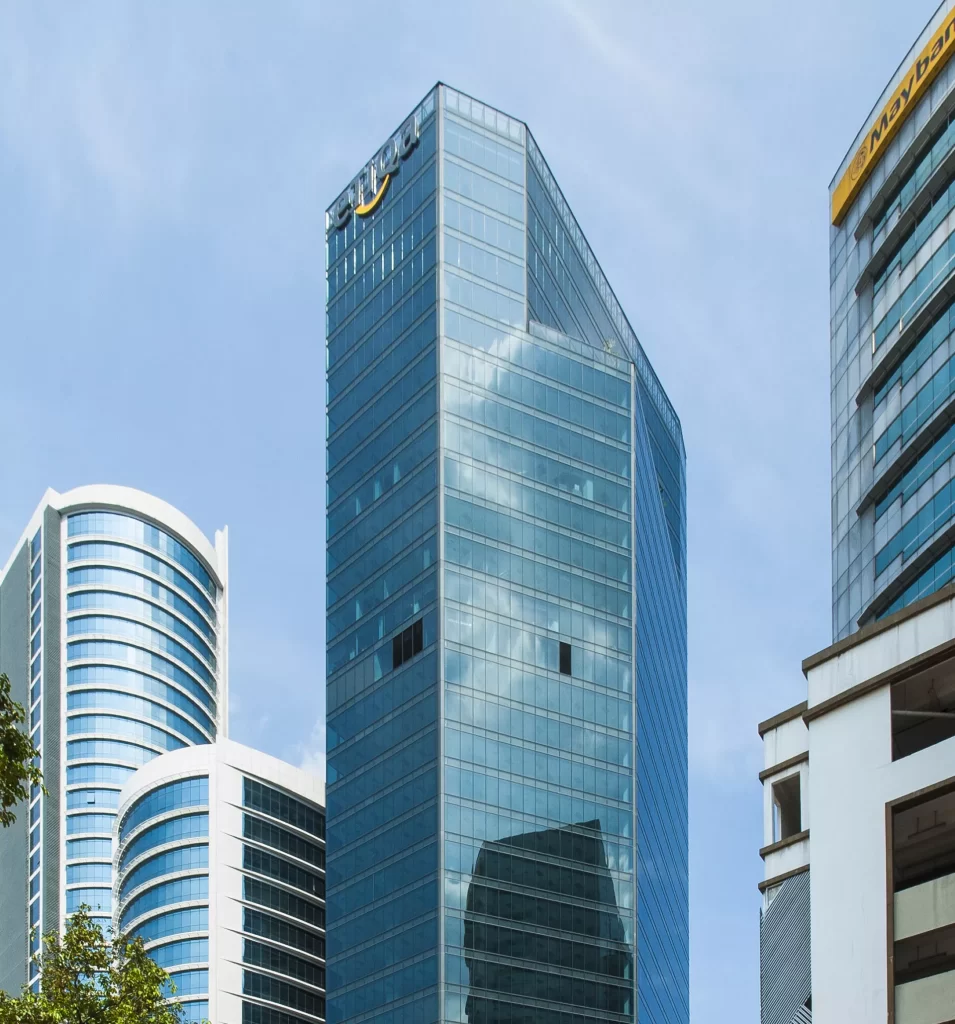
Menara Etiqa
Menara Etiqa
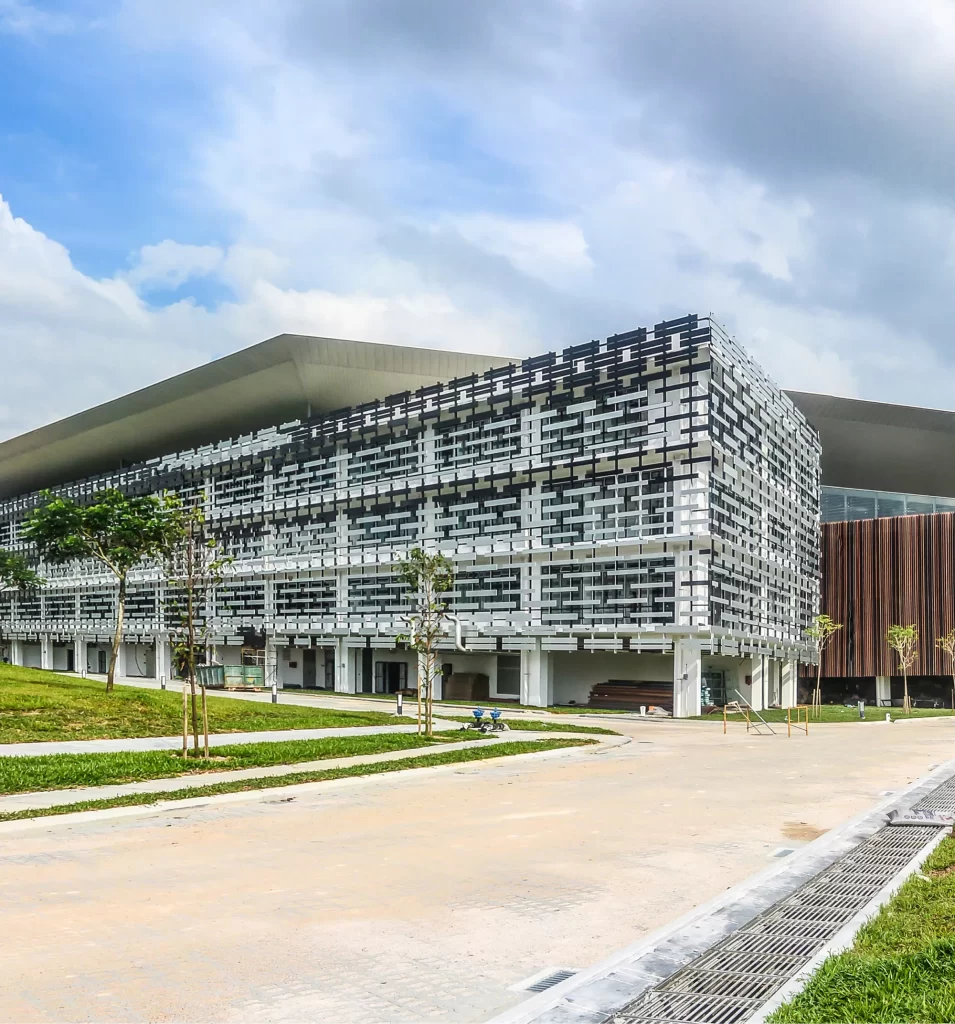
University of Reading Malaysia
University of Reading Malaysia
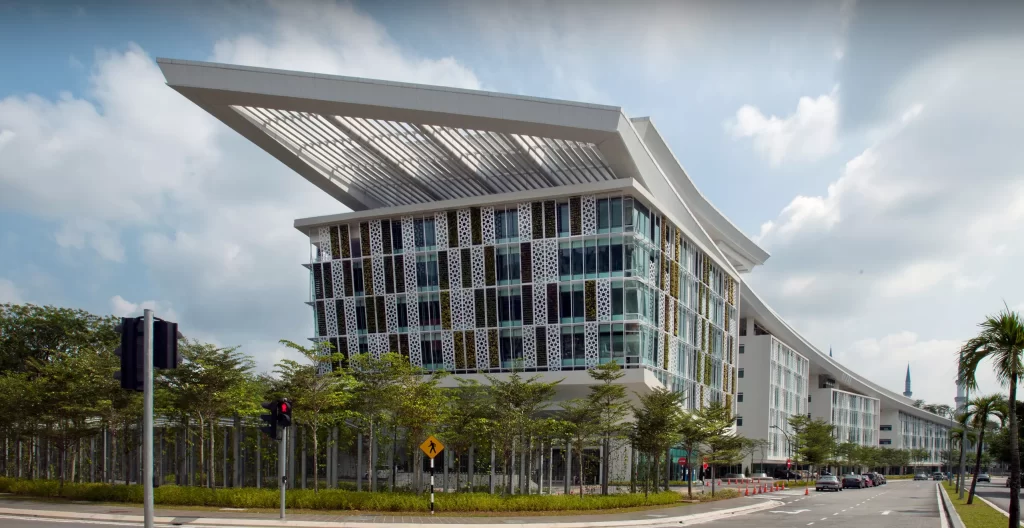
Perbadanan Kemajuan Negeri Selangor
(PKNS Headquarters)
Perbadanan Kemajuan Negeri Selangor (PKNS Headquarters)
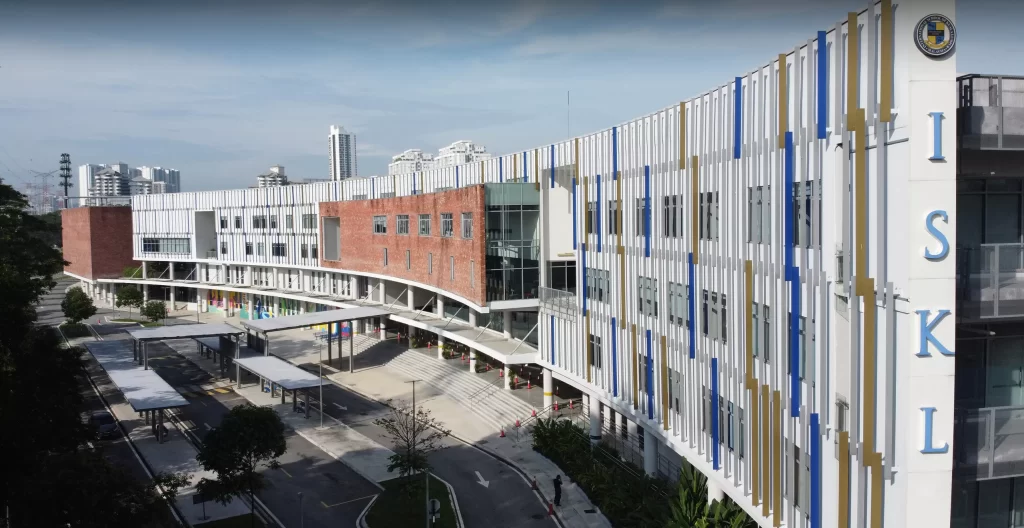
International School of Kuala Lumpur (ISKL)