Mediating between Memory and Modernity

Sinkeh Hotel
CLIENT
Sek Thim
REGION
Georgetown, Penang
YEAR
Completed in 2013
GFA
—
DISCIPLINES
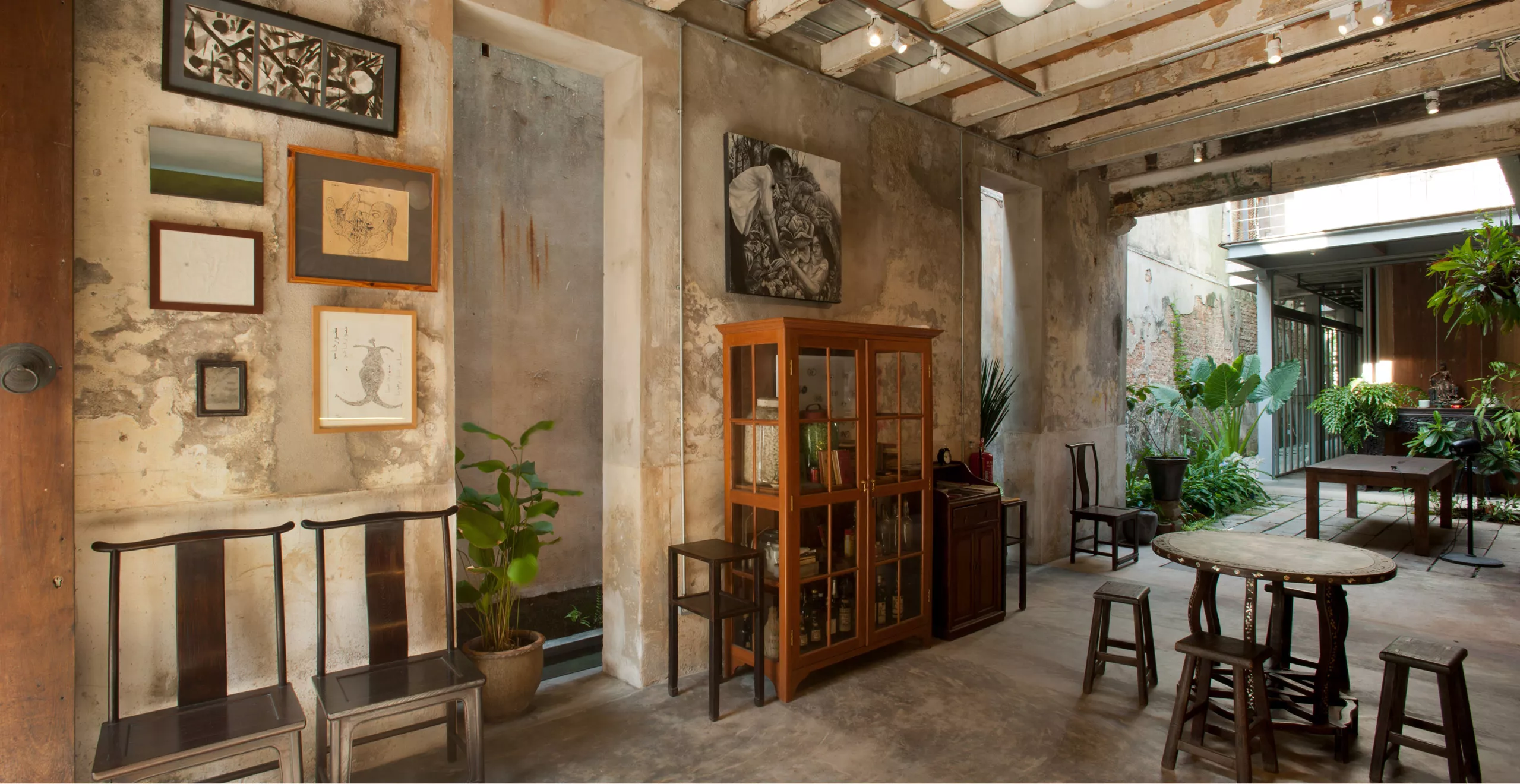
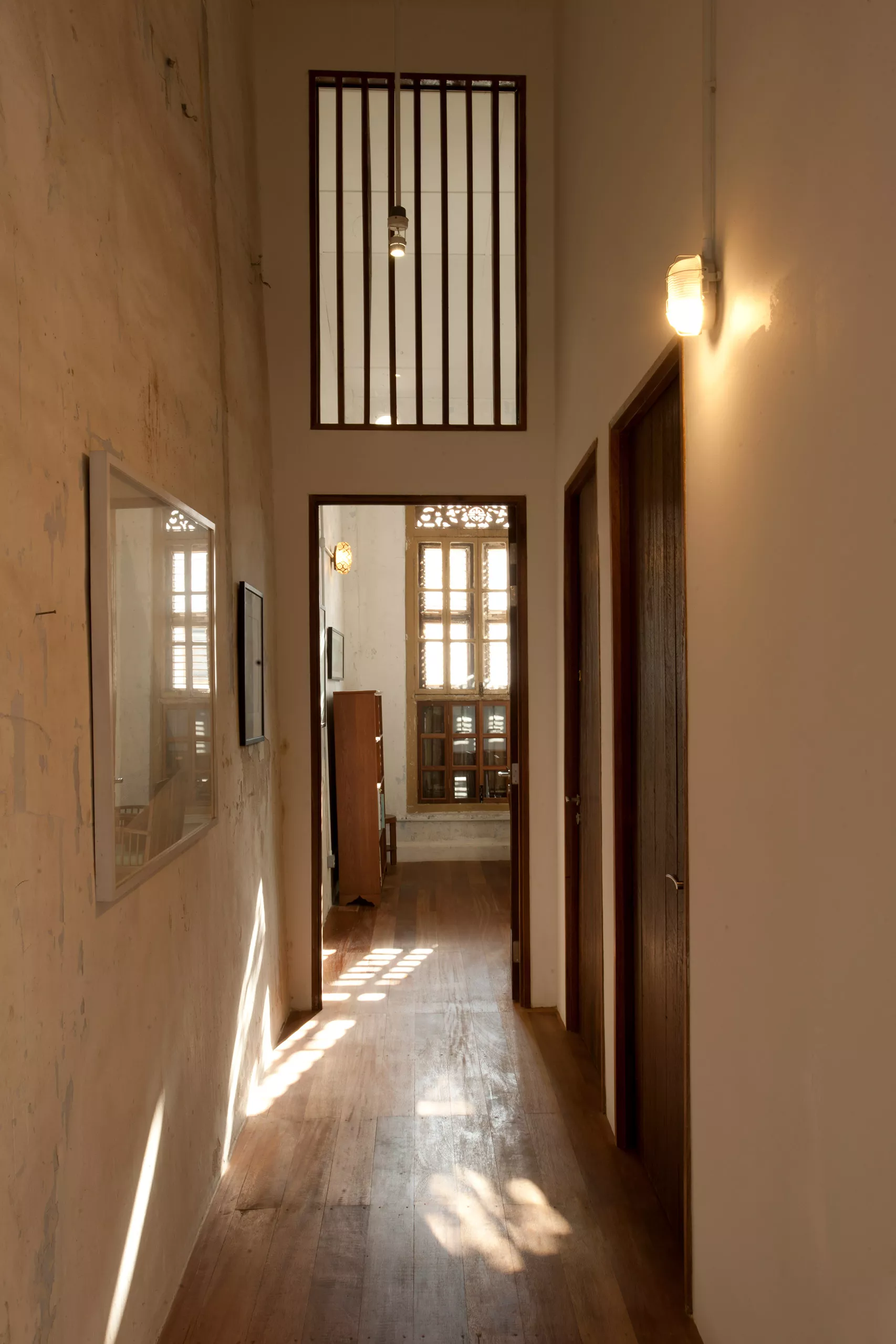
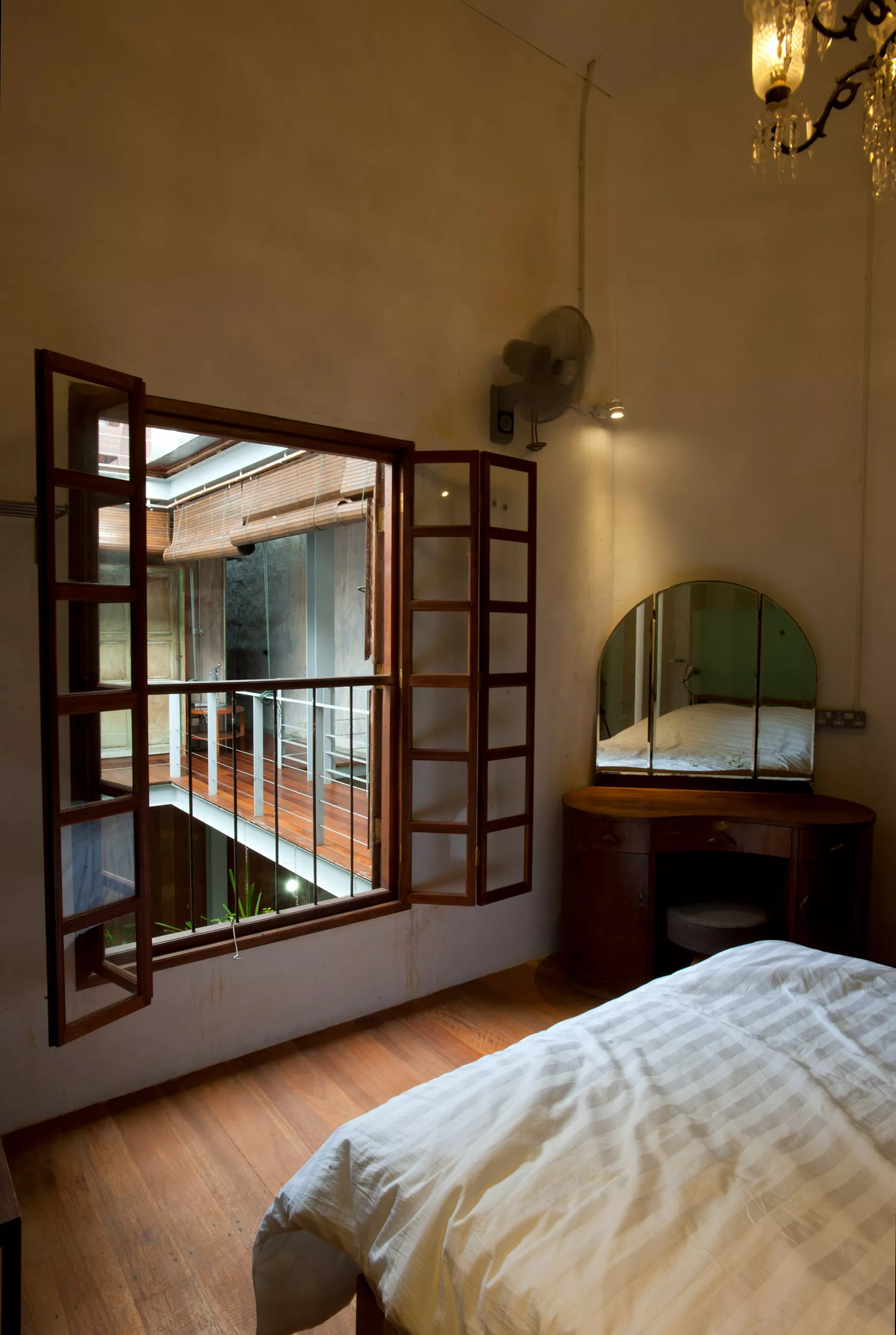
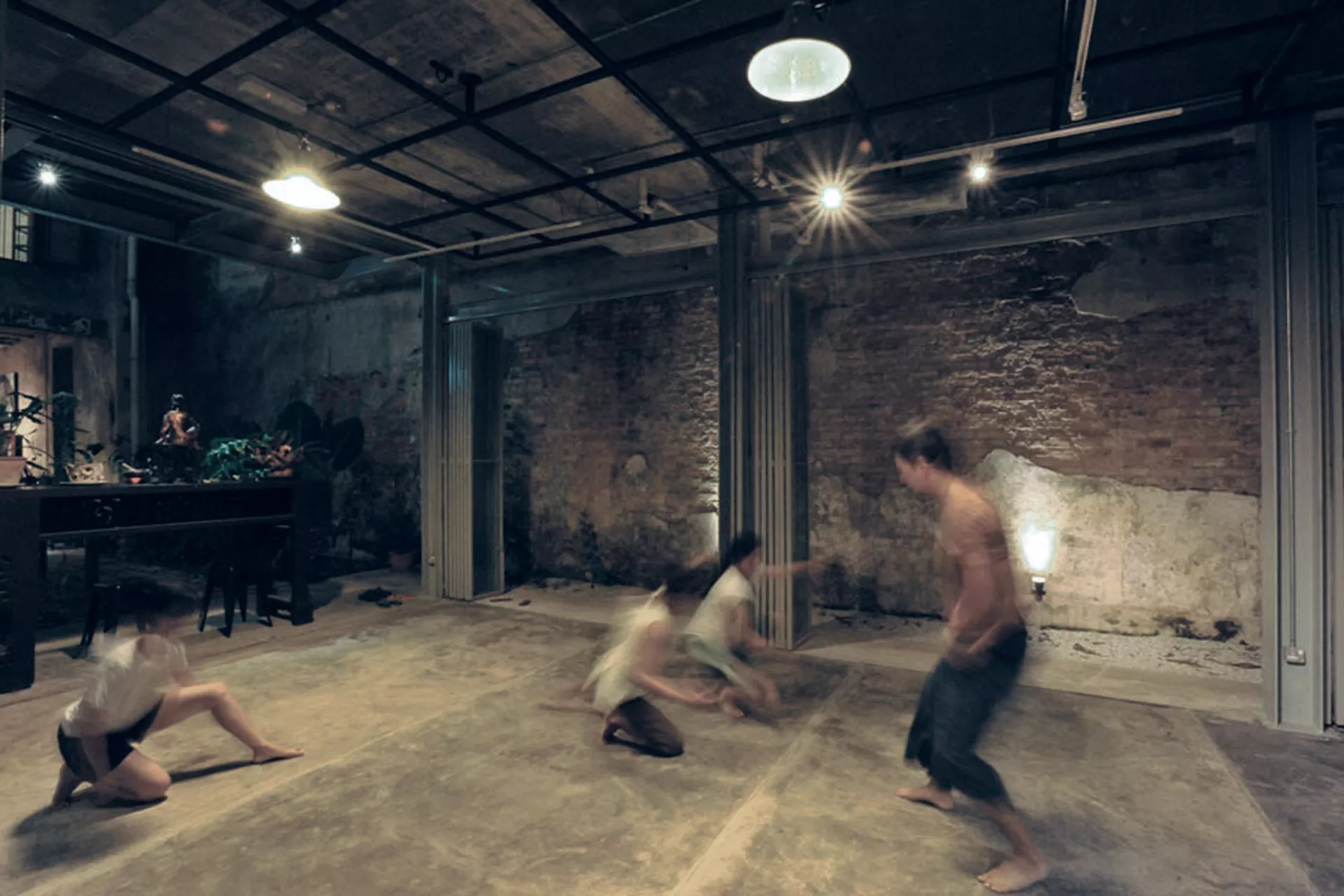
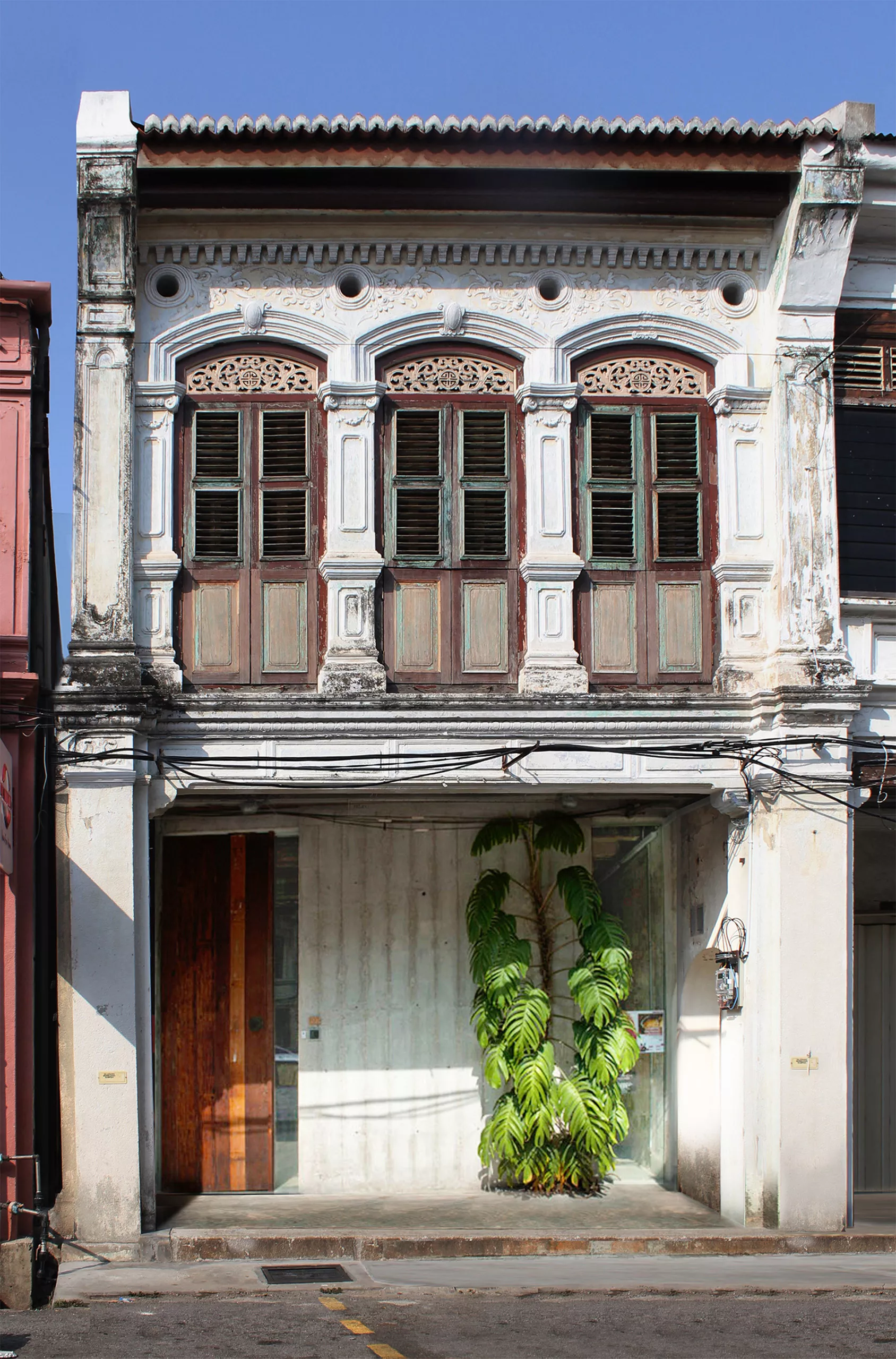
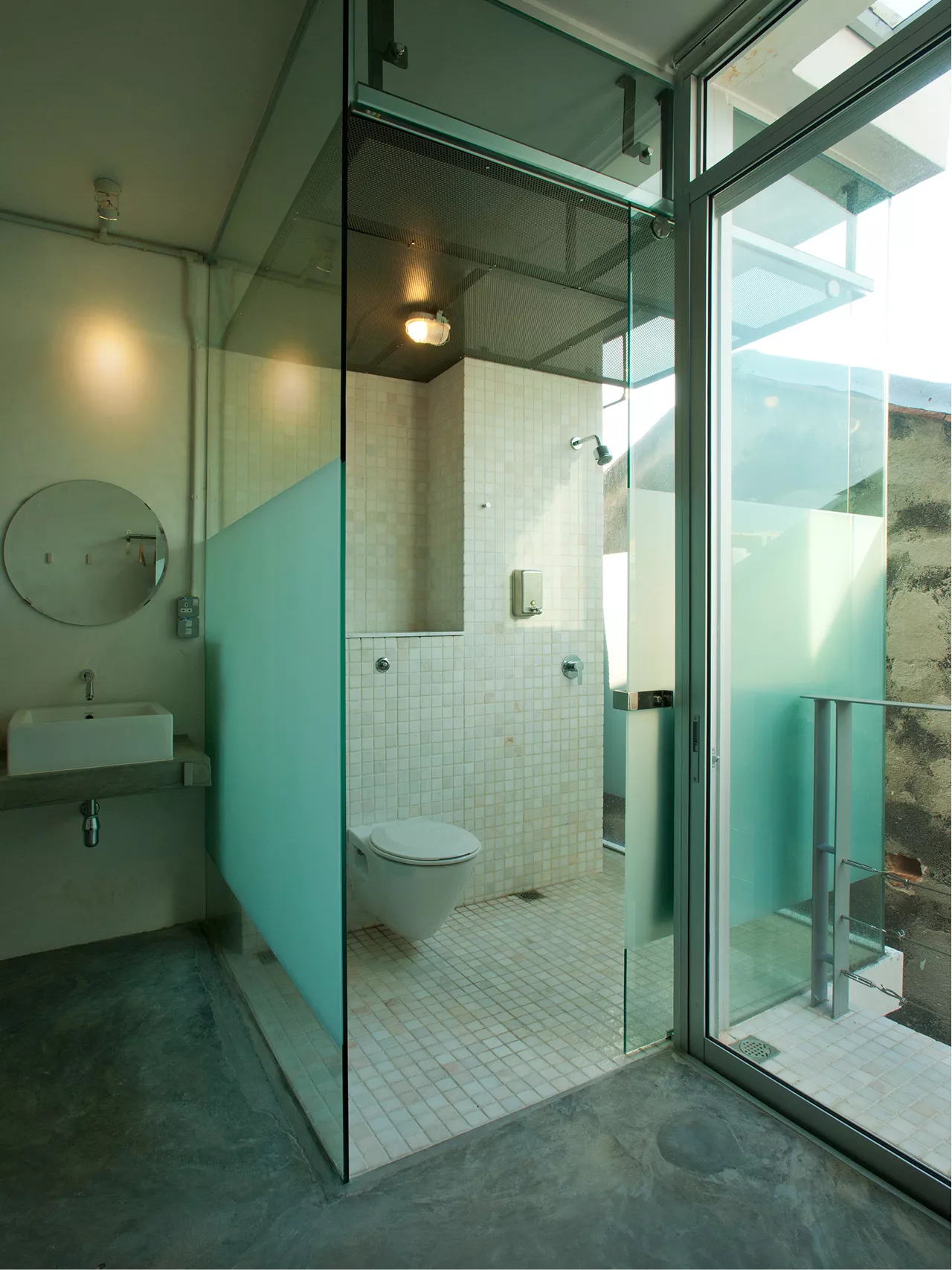
How can adaptive reuse sustainably benefit a historic building? This was the central focus behind the Sinkeh project located at the edge of the Core Heritage Zone within George Town’s UNESCO World Heritage Site. The project reimagines the heritage shophouse as a combination of a hybrid arts venue and boutique hotel, positioning hospitality as a supporting programme to the arts and culture. Originally a Straits Chinese townhouse and later a warehouse, its layered history steers the design towards a measured balance between conservation and contemporary architectural intervention.
ARCHITECTURE
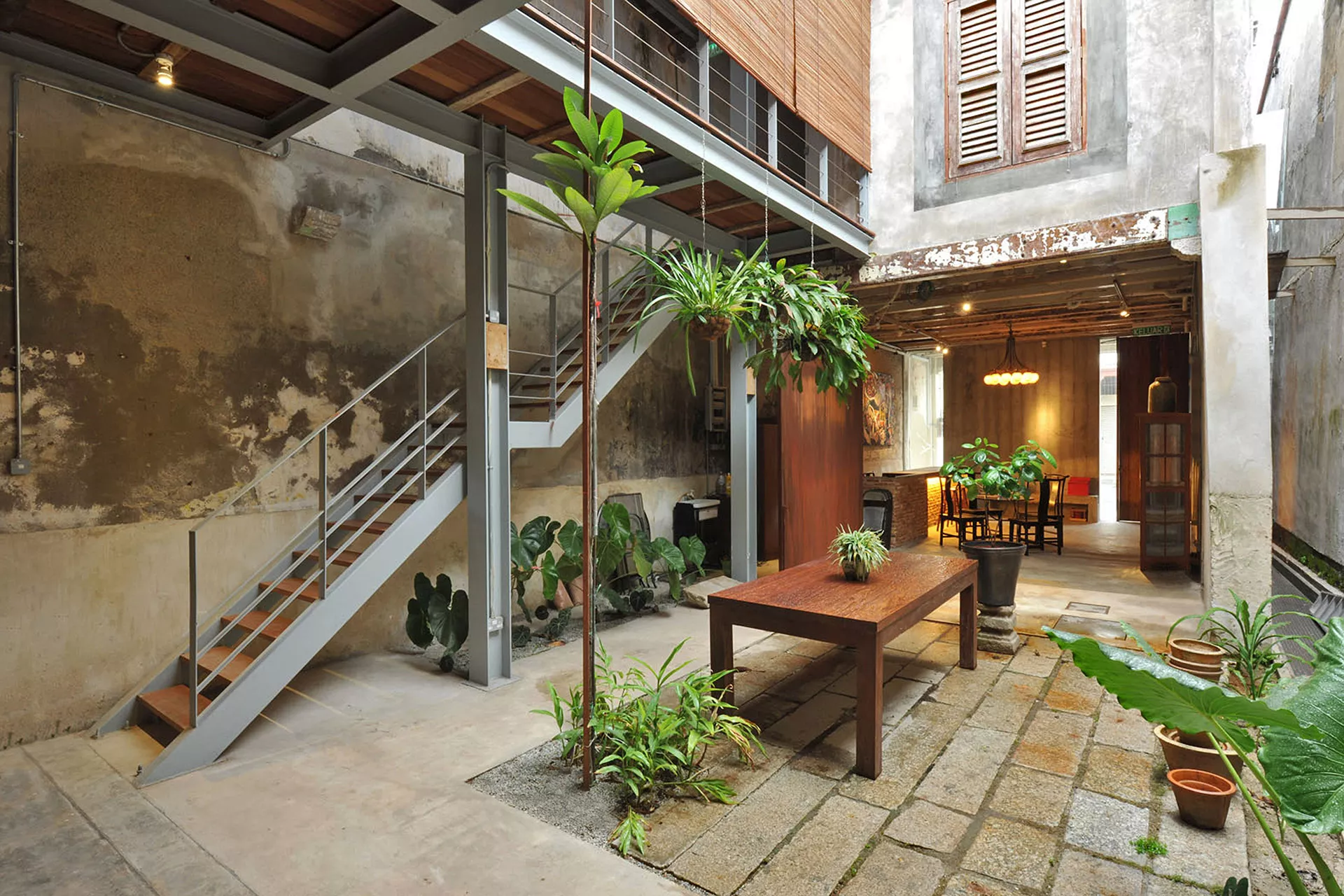
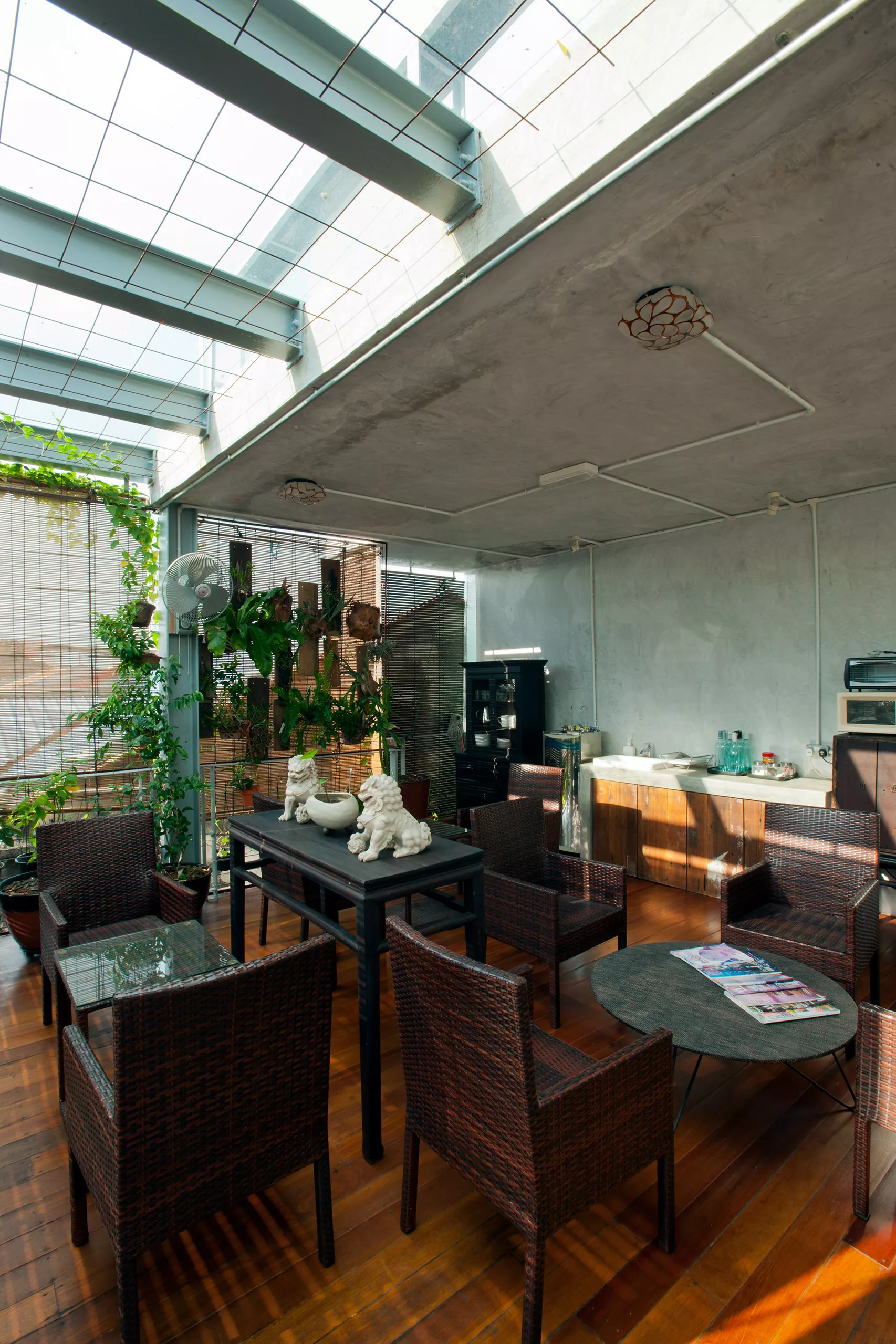
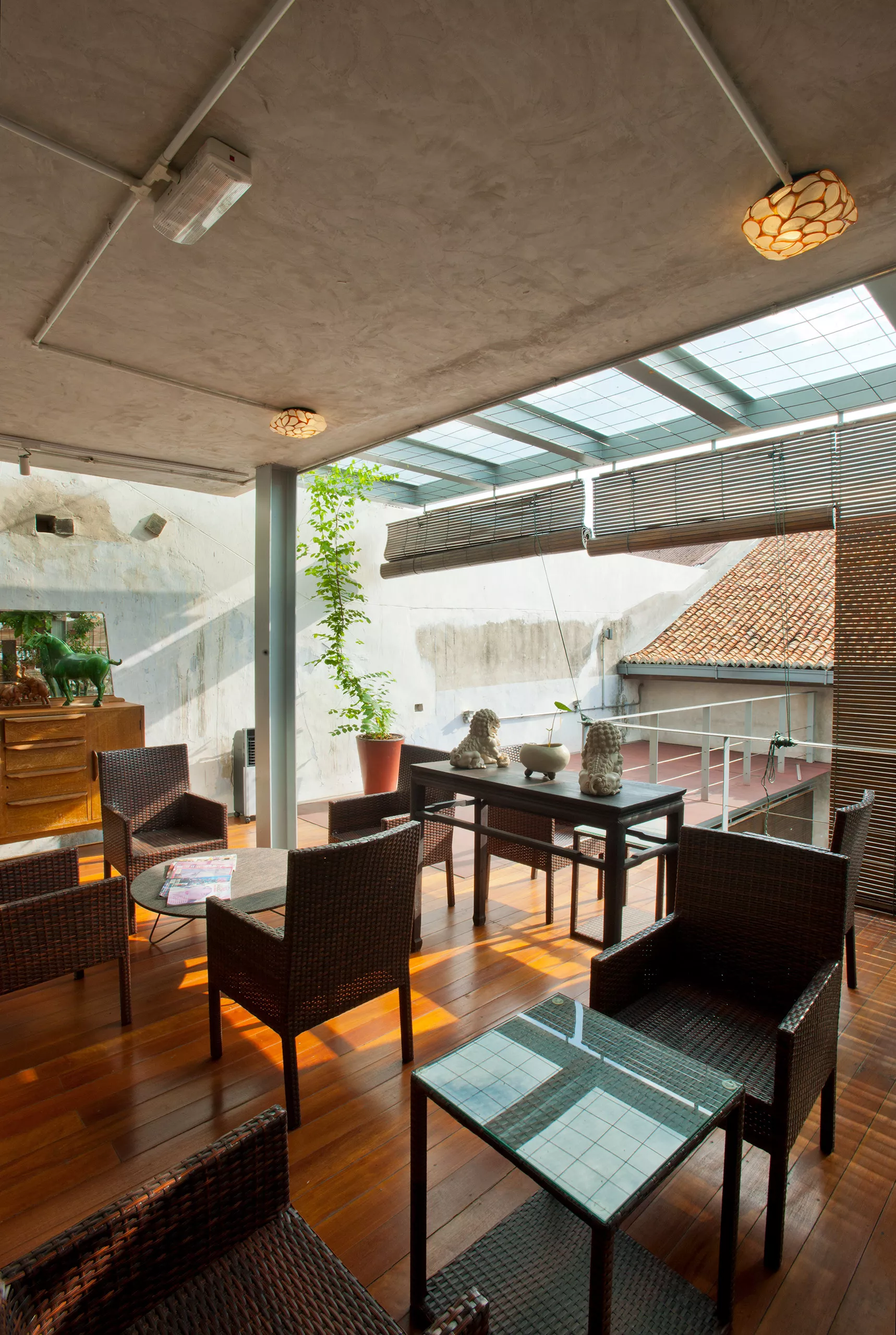
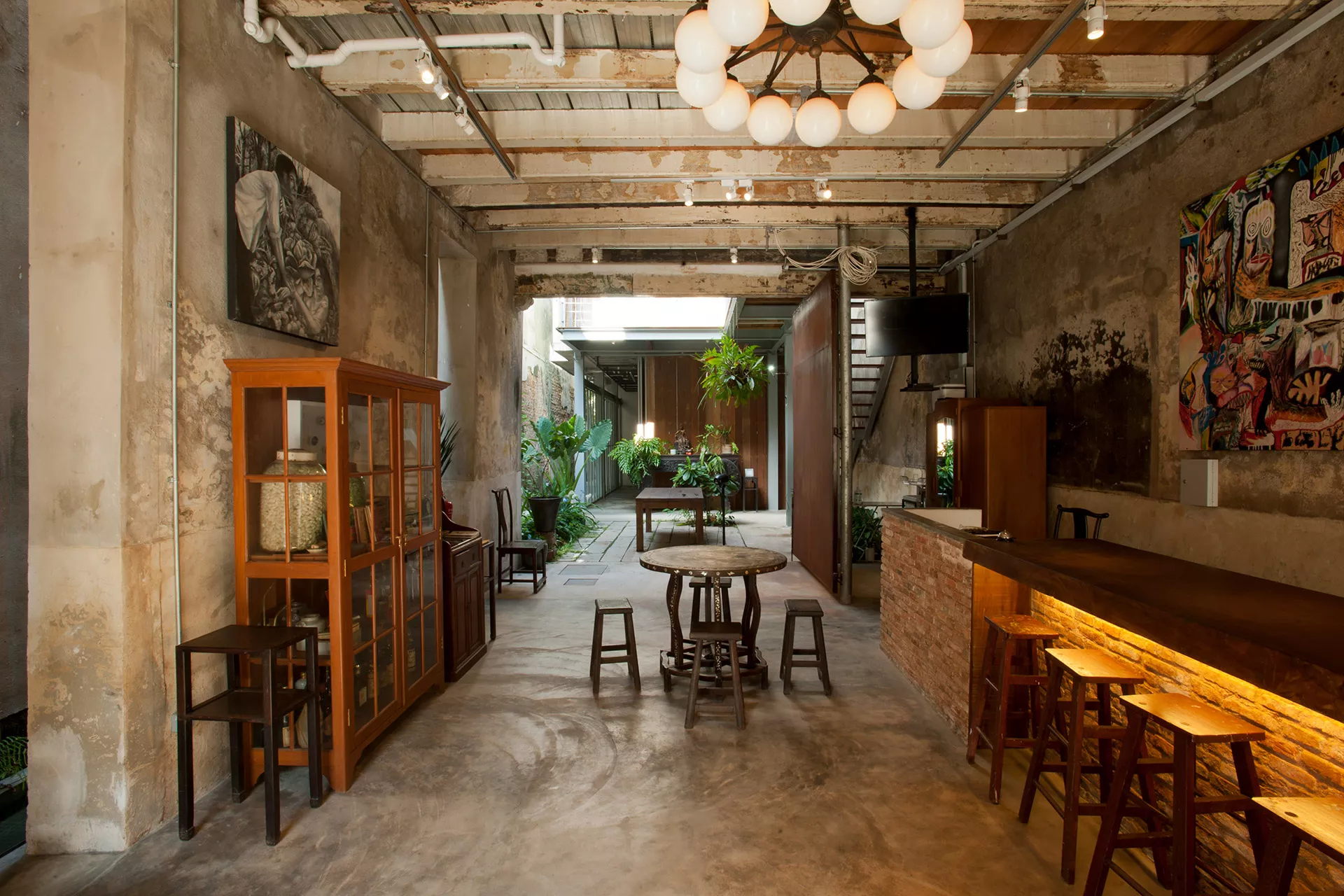
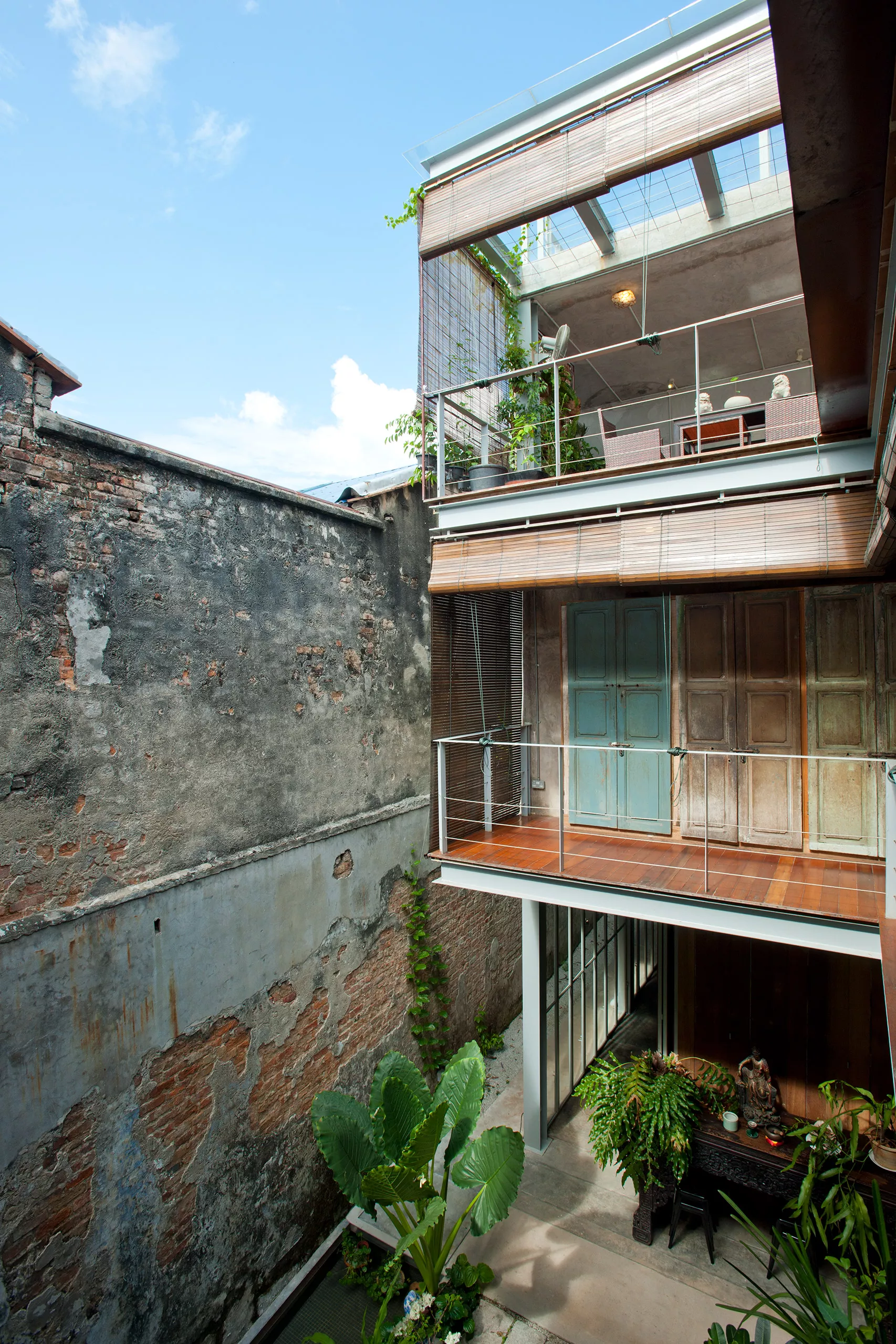
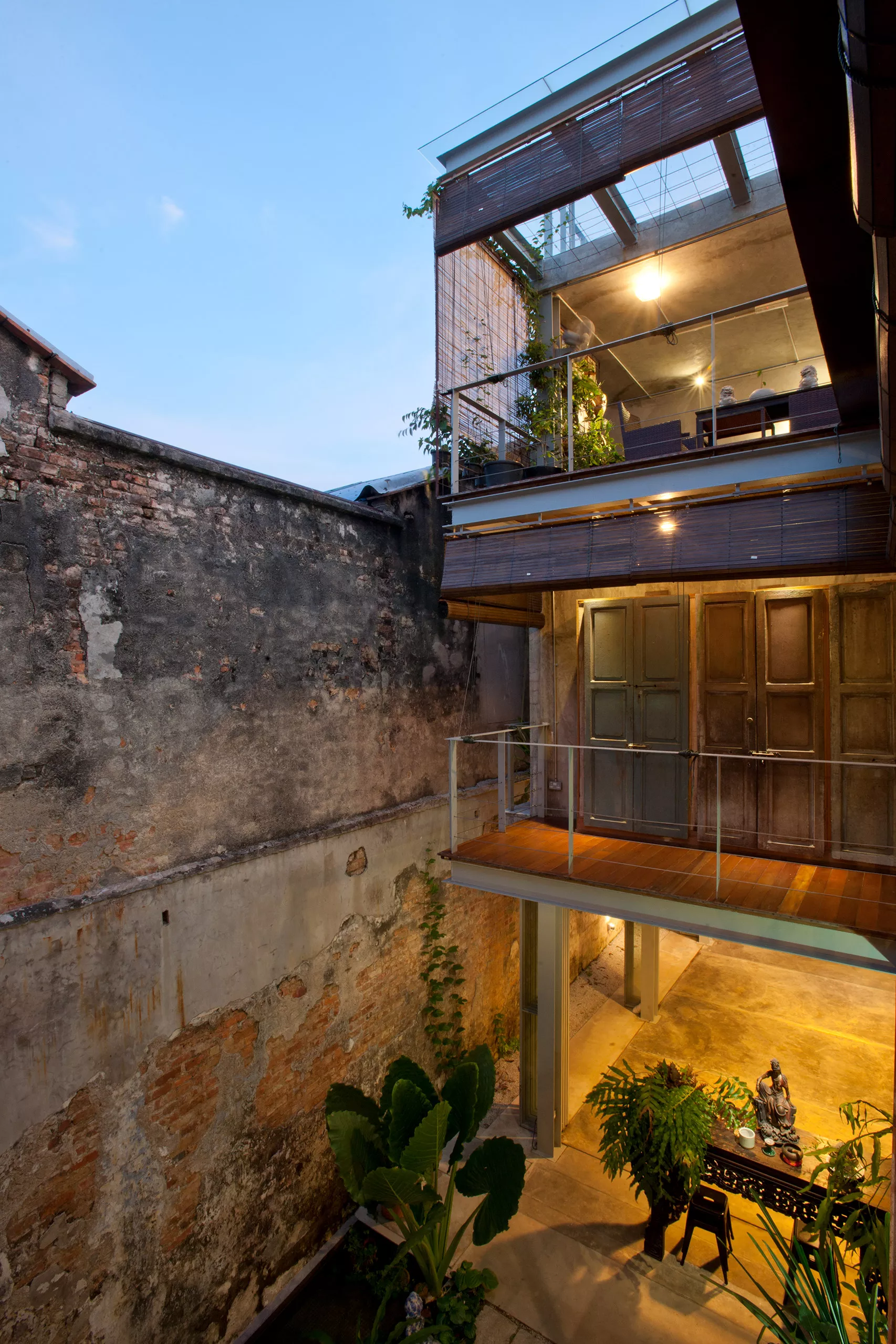
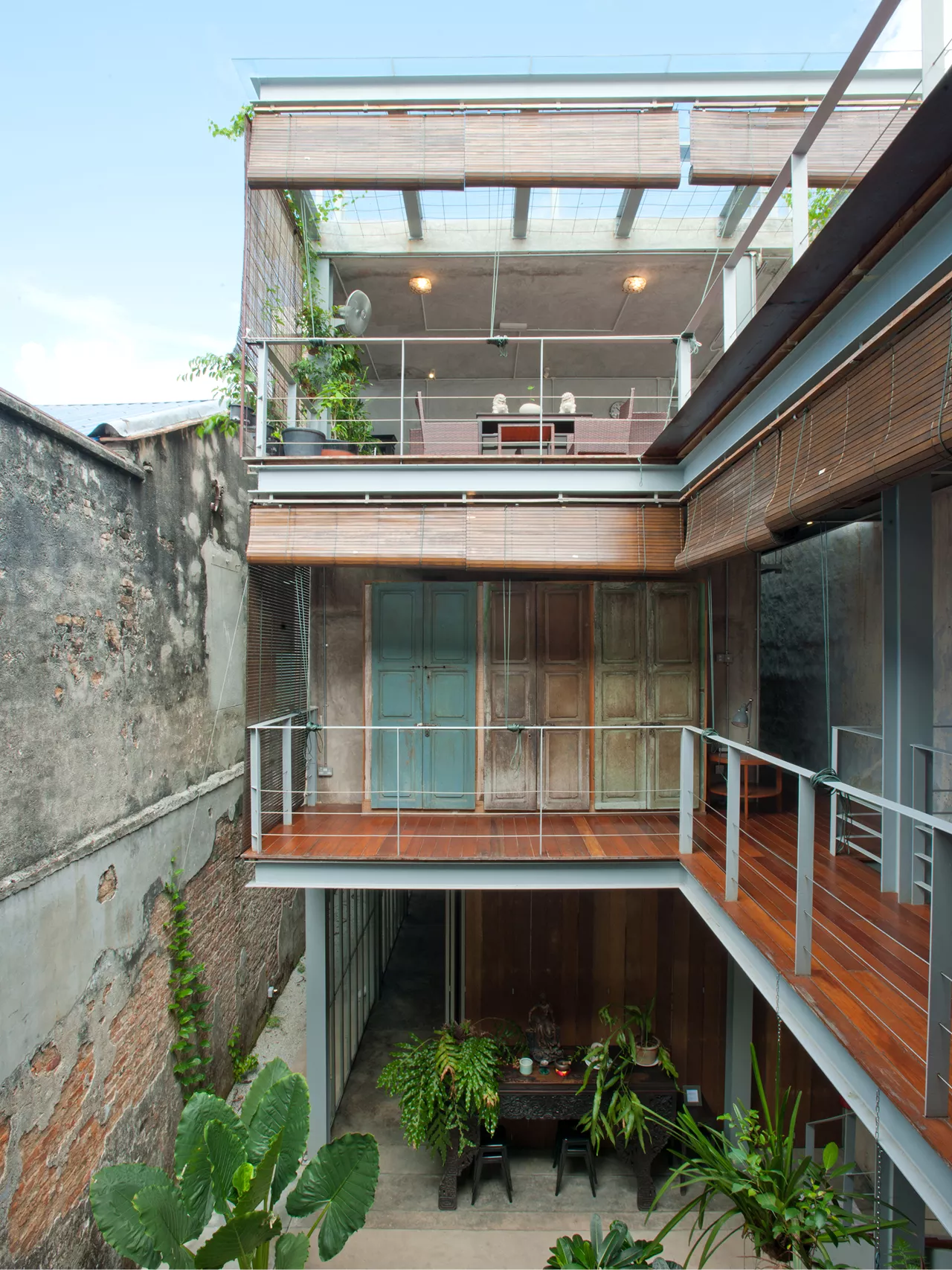
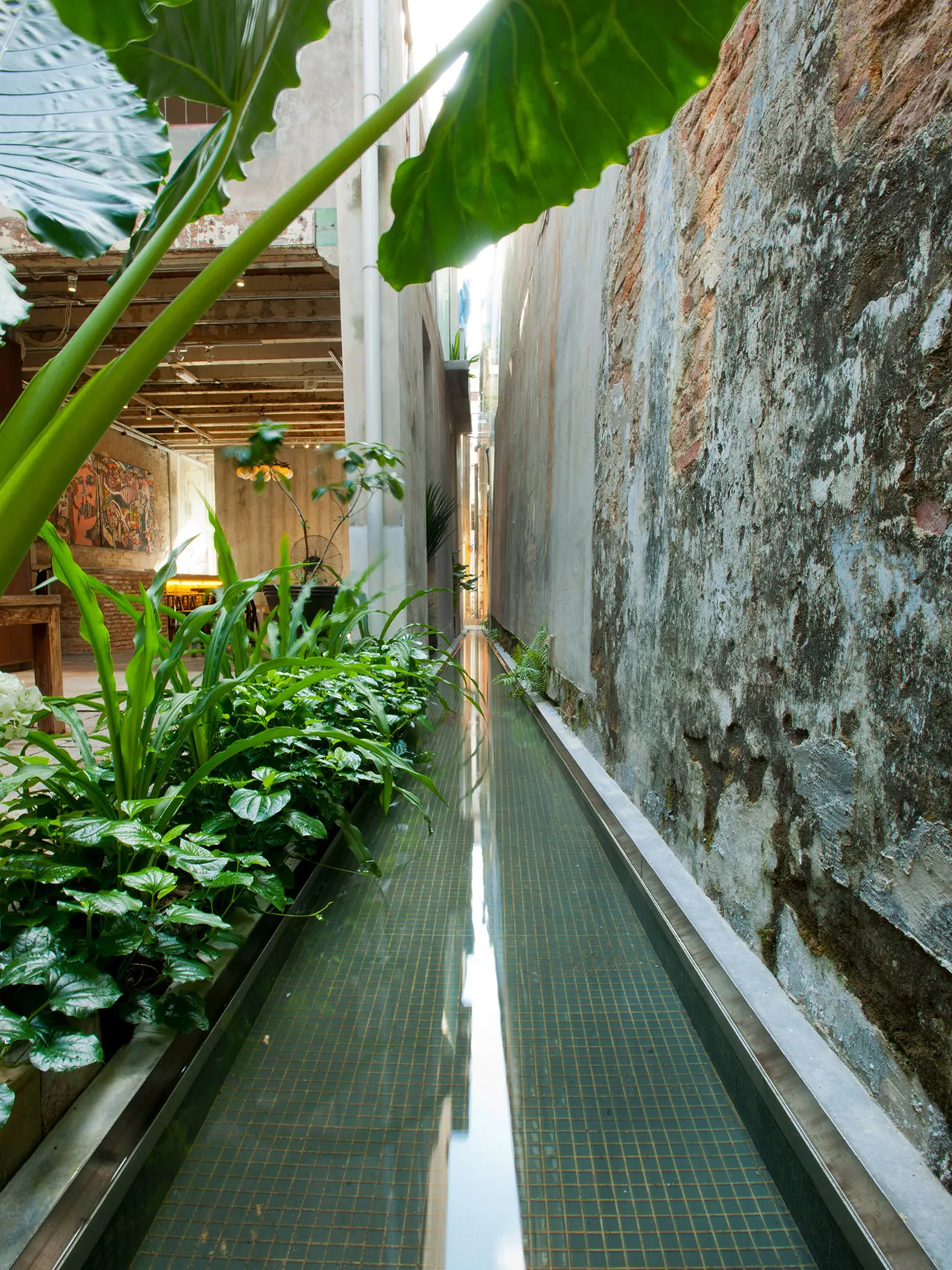
The existing structure typifies the deep-plan Straits Chinese shophouse, traditionally reliant on air-wells for daylight and ventilation. This structure presents a significant architectural opportunity where the party wall peels away to reveal a narrow residual strip. The design strategically pulls the new intervention away from the party wall, opening one flank of the house to introduce natural light deep into the plan and recalibrating the building’s relationship to its urban context.
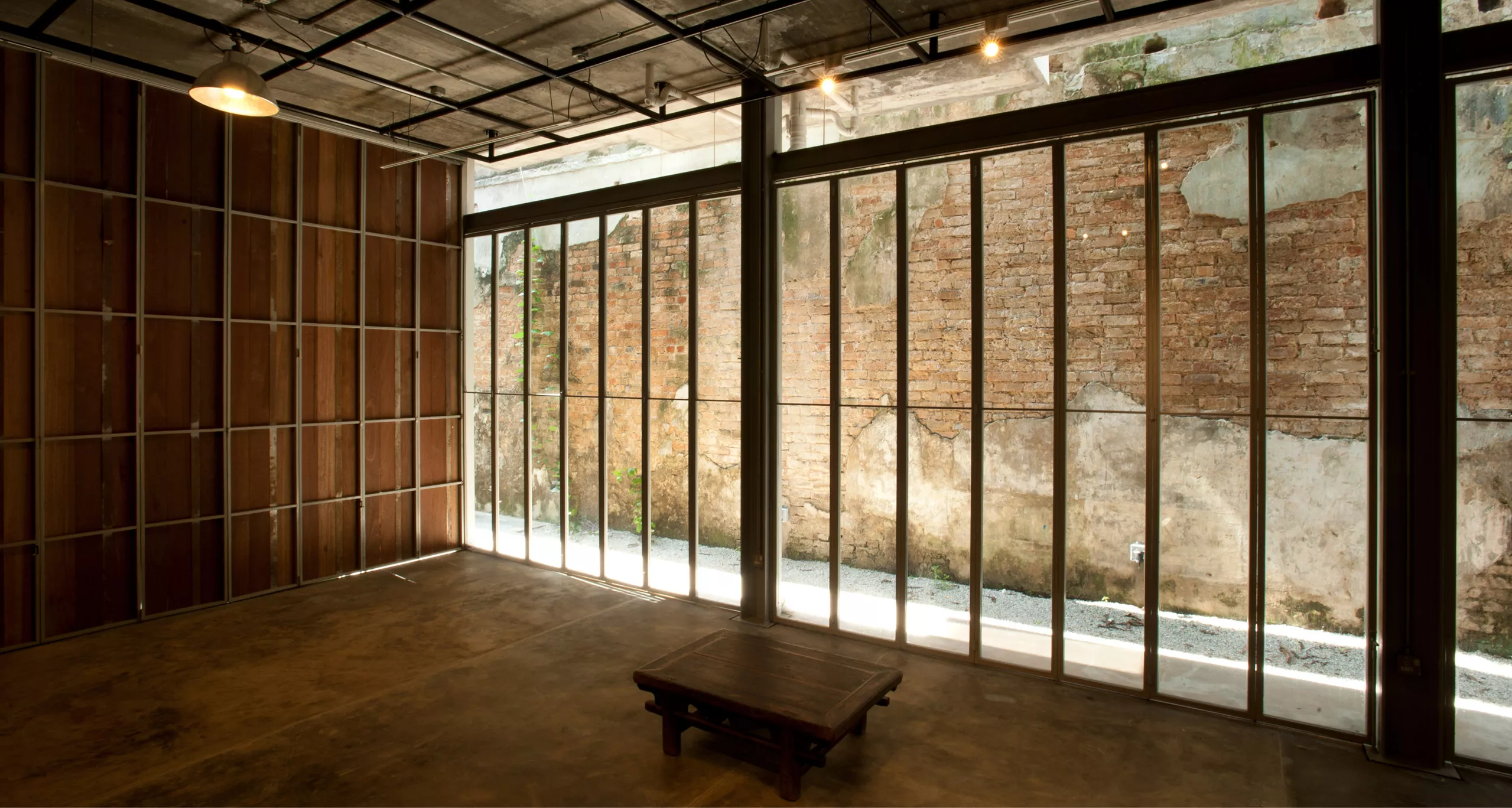
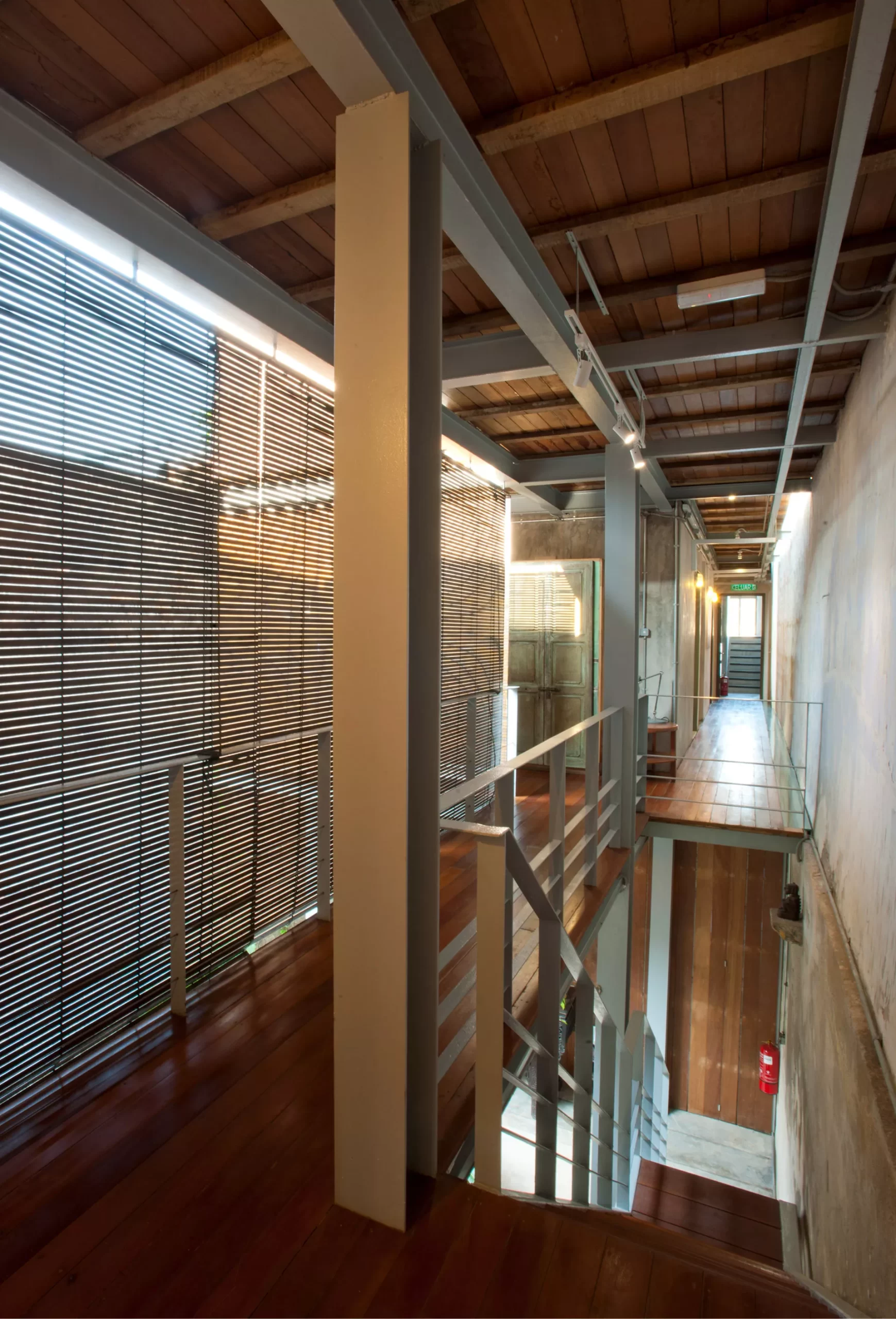
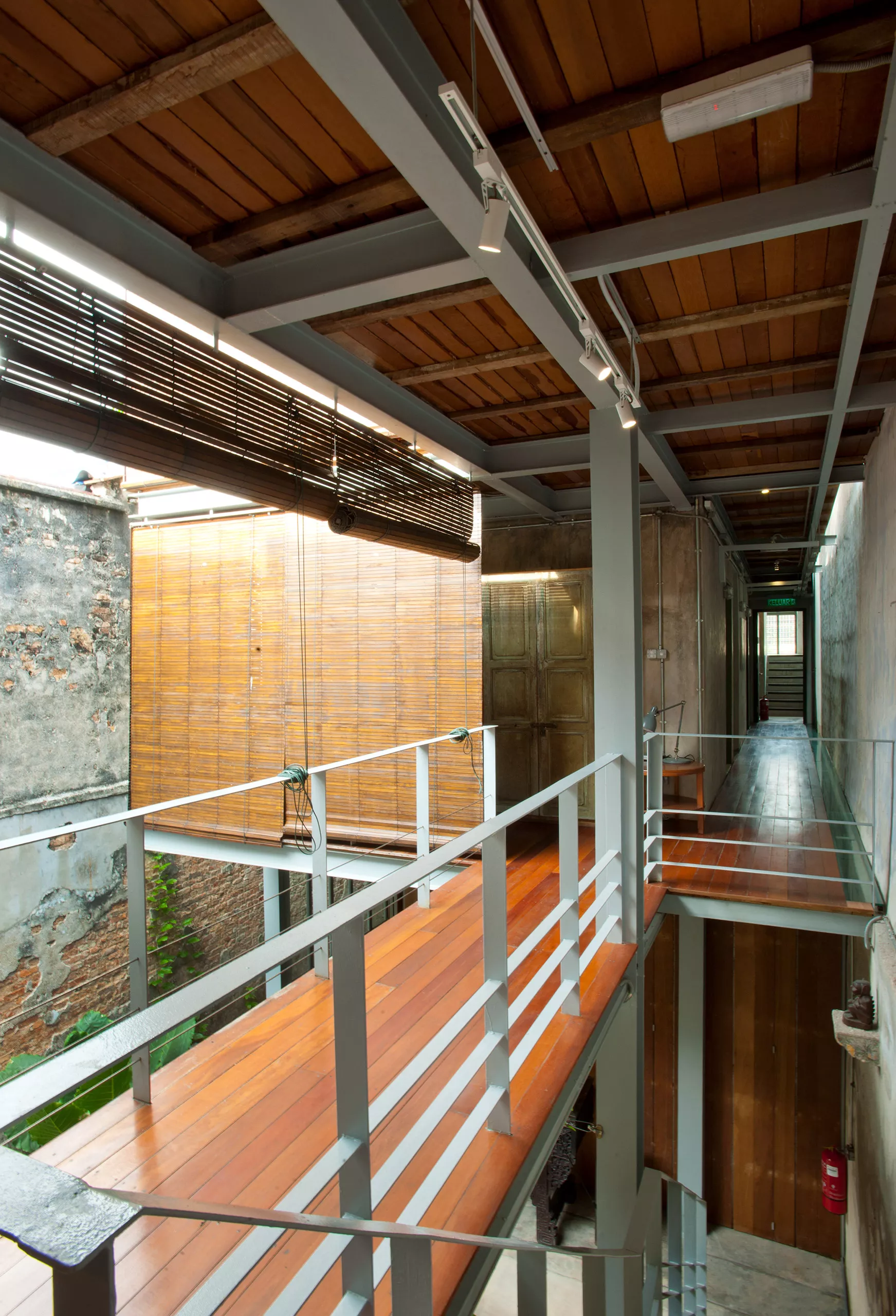
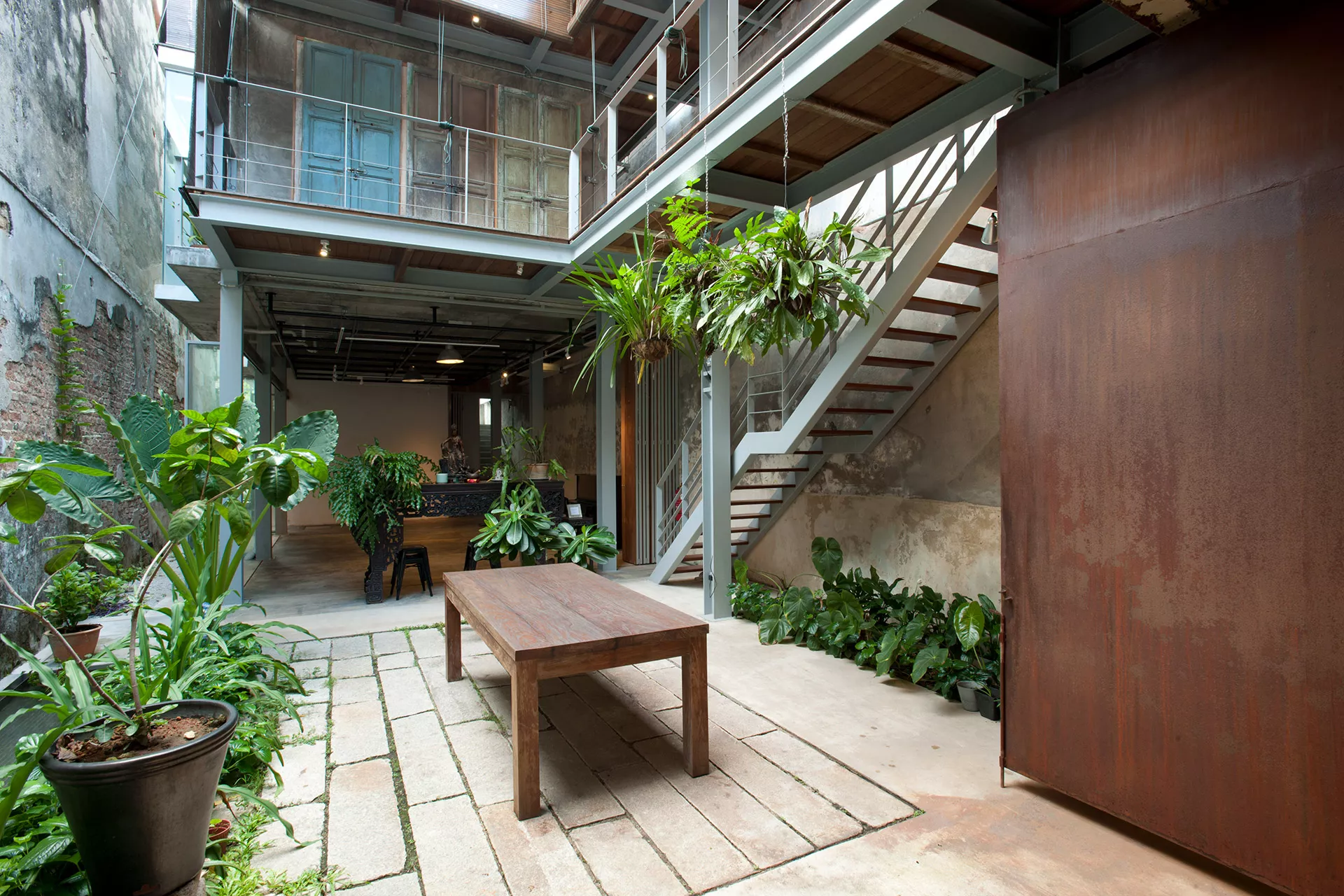
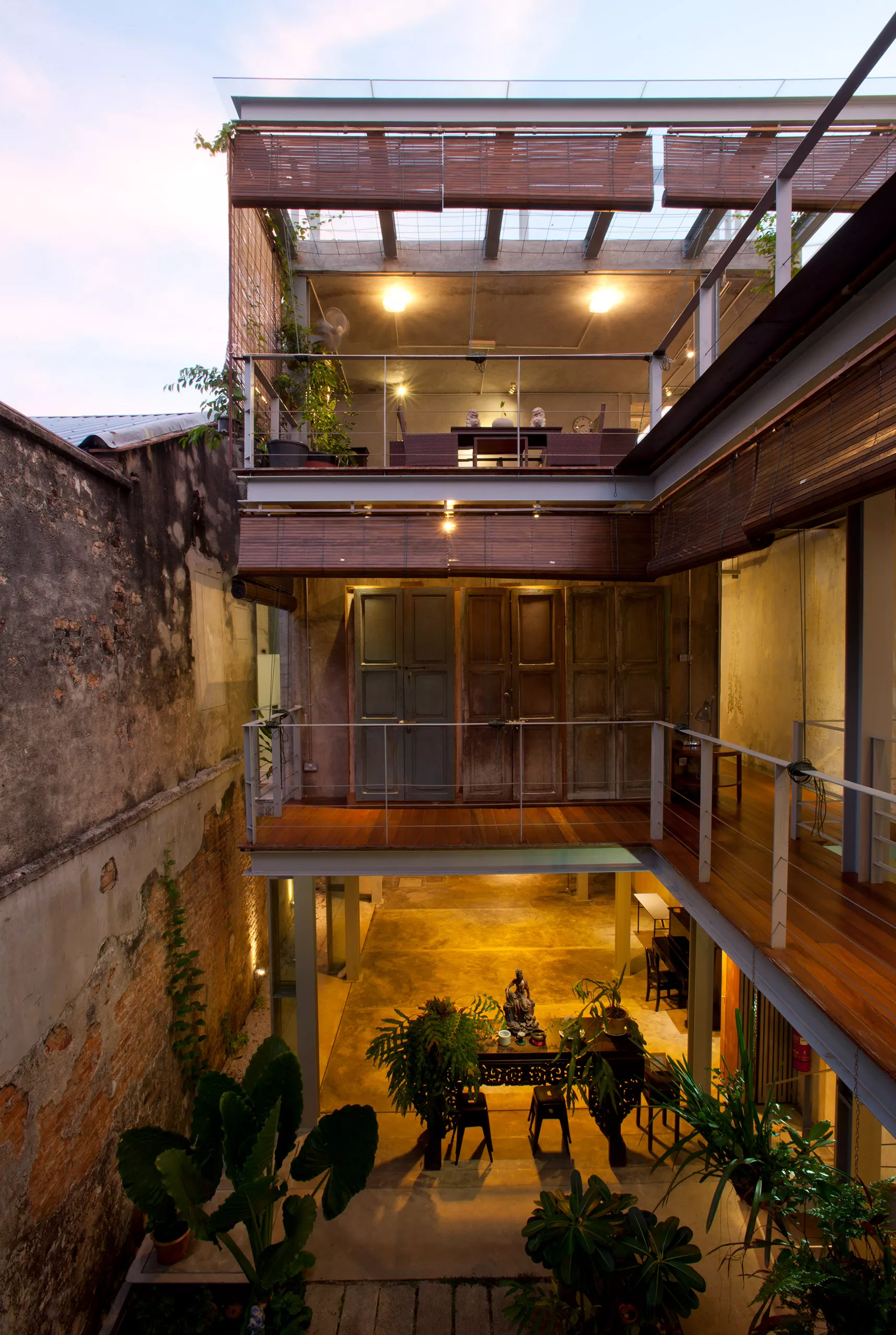
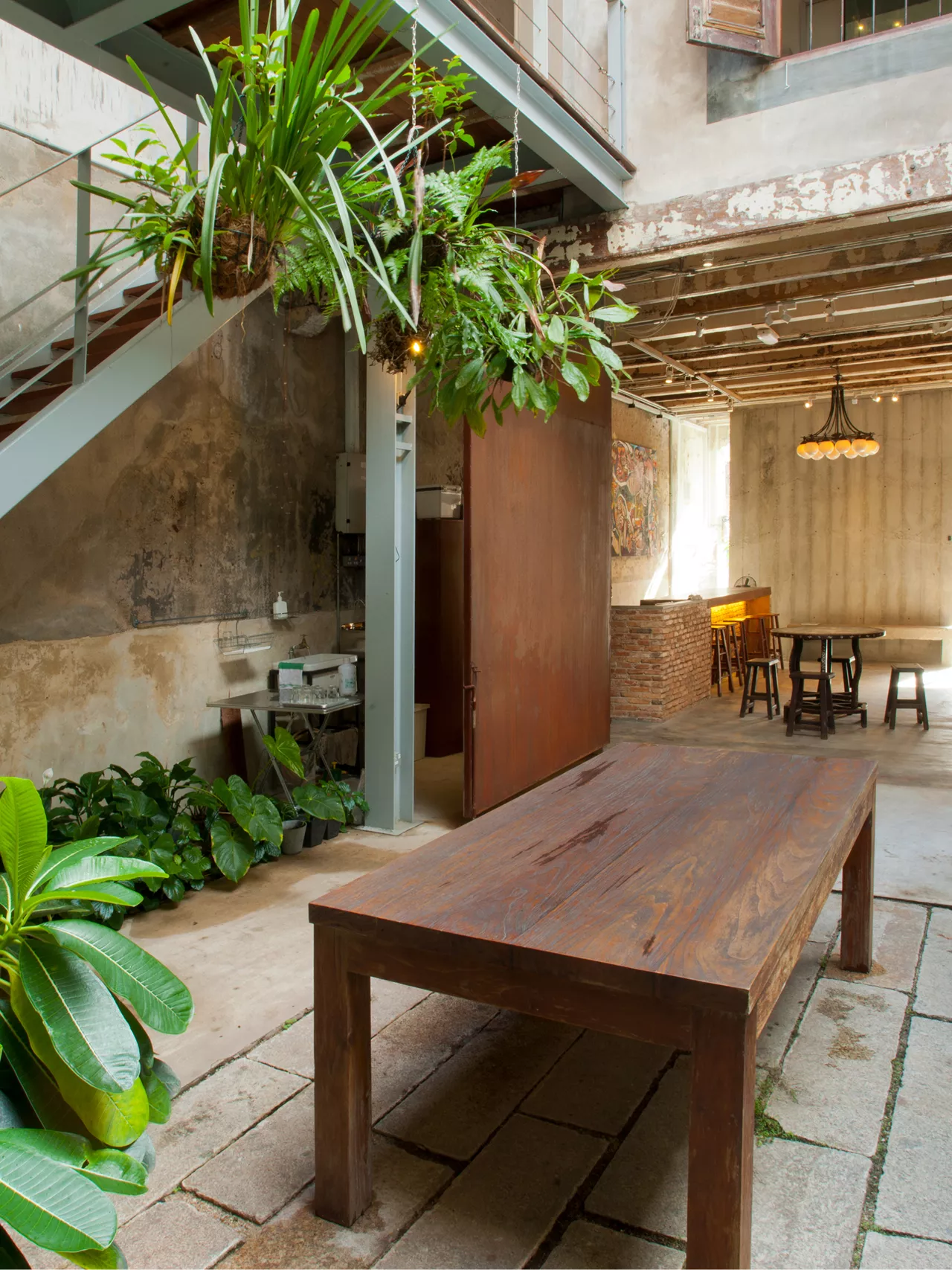
Significant structural deterioration at the rear necessitated replacement, allowing for a contemporary intervention that contrasts yet complements the retained fabric. A central courtyard is introduced as a mediating space between old and new—an outdoor room that anchors the plan, enhances cross-ventilation, and frames shifting patterns of light and monsoon rain. This courtyard becomes the spatial hinge of the project, articulating continuity and contrast while reinforcing the legibility of the building’s evolution over time.
INTERIORS
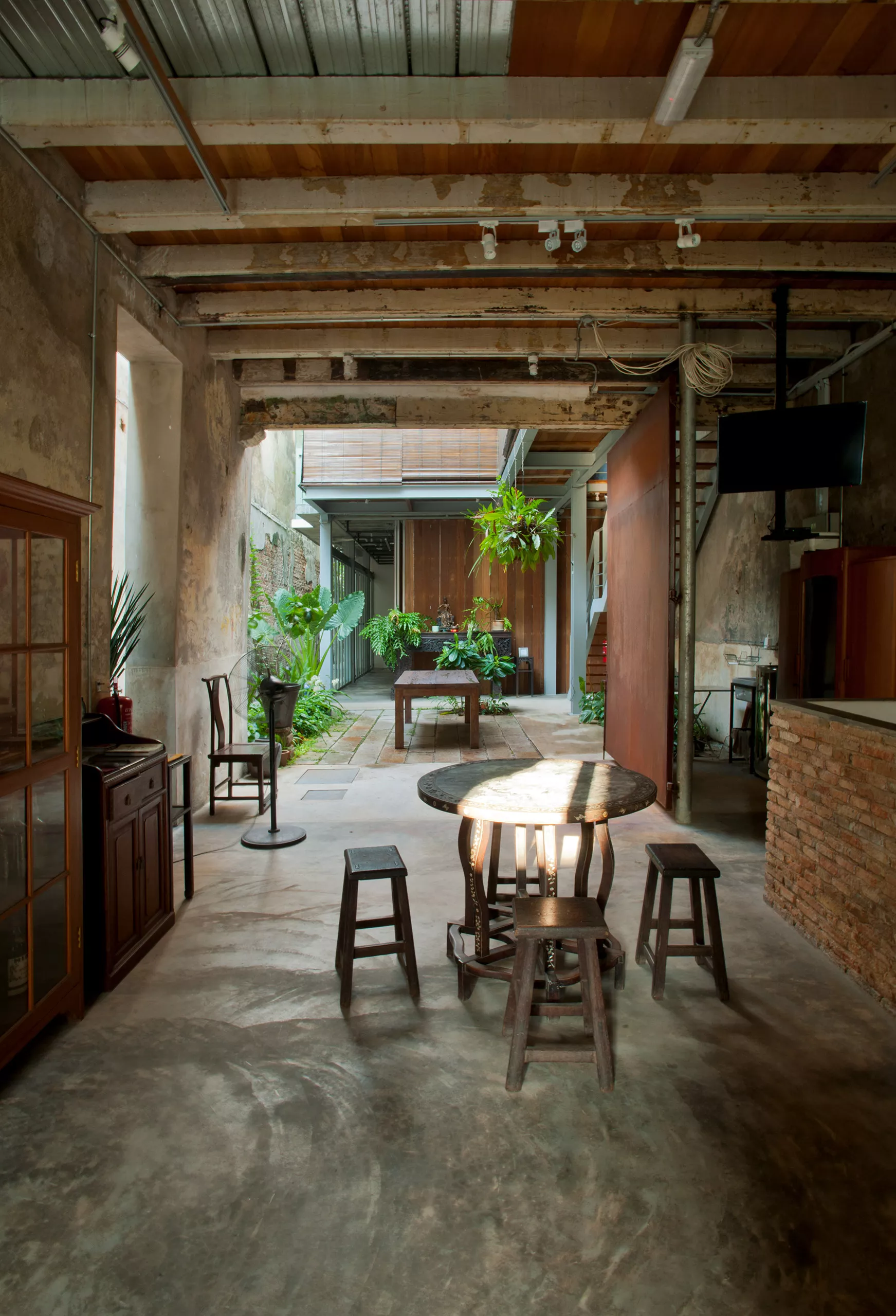
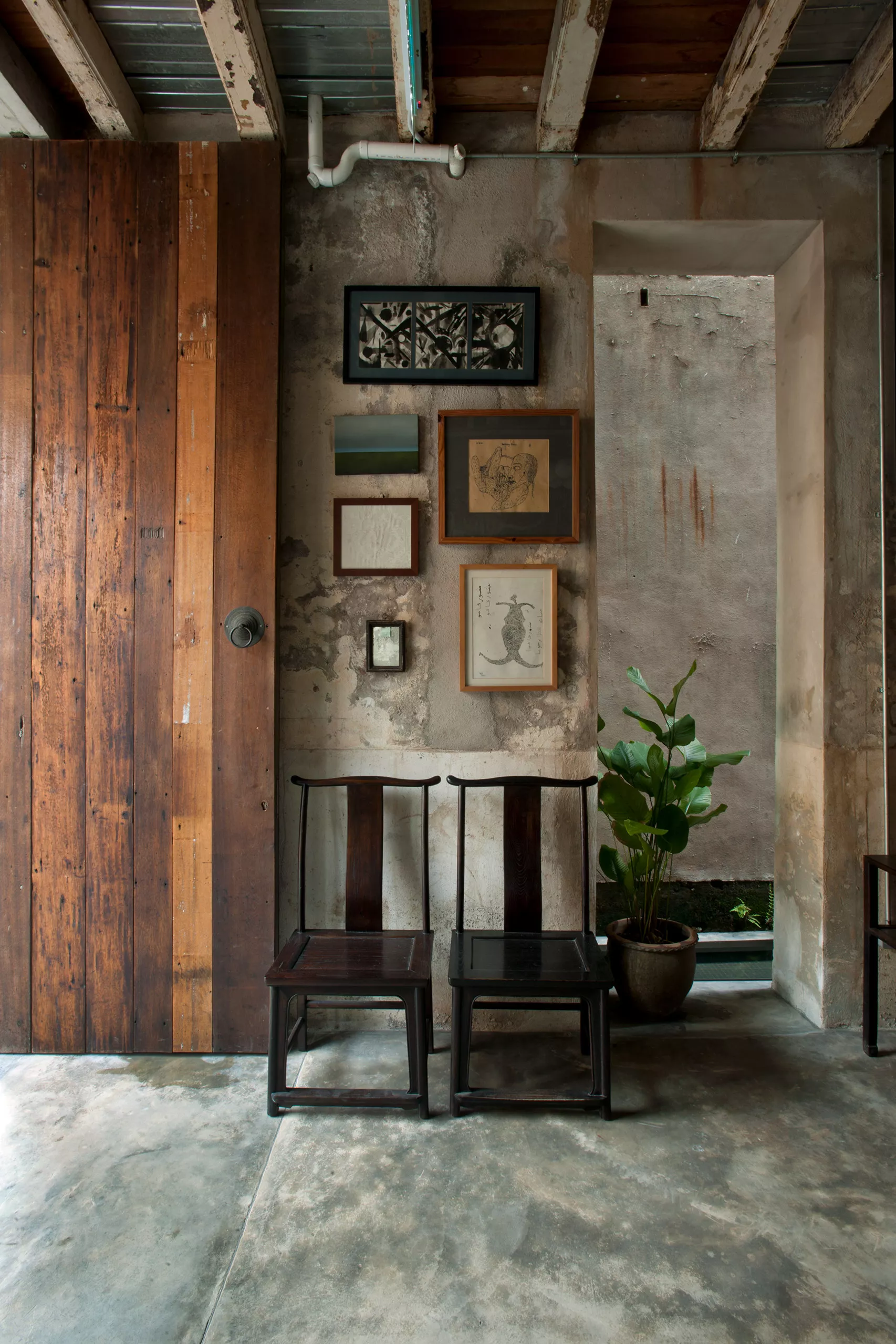
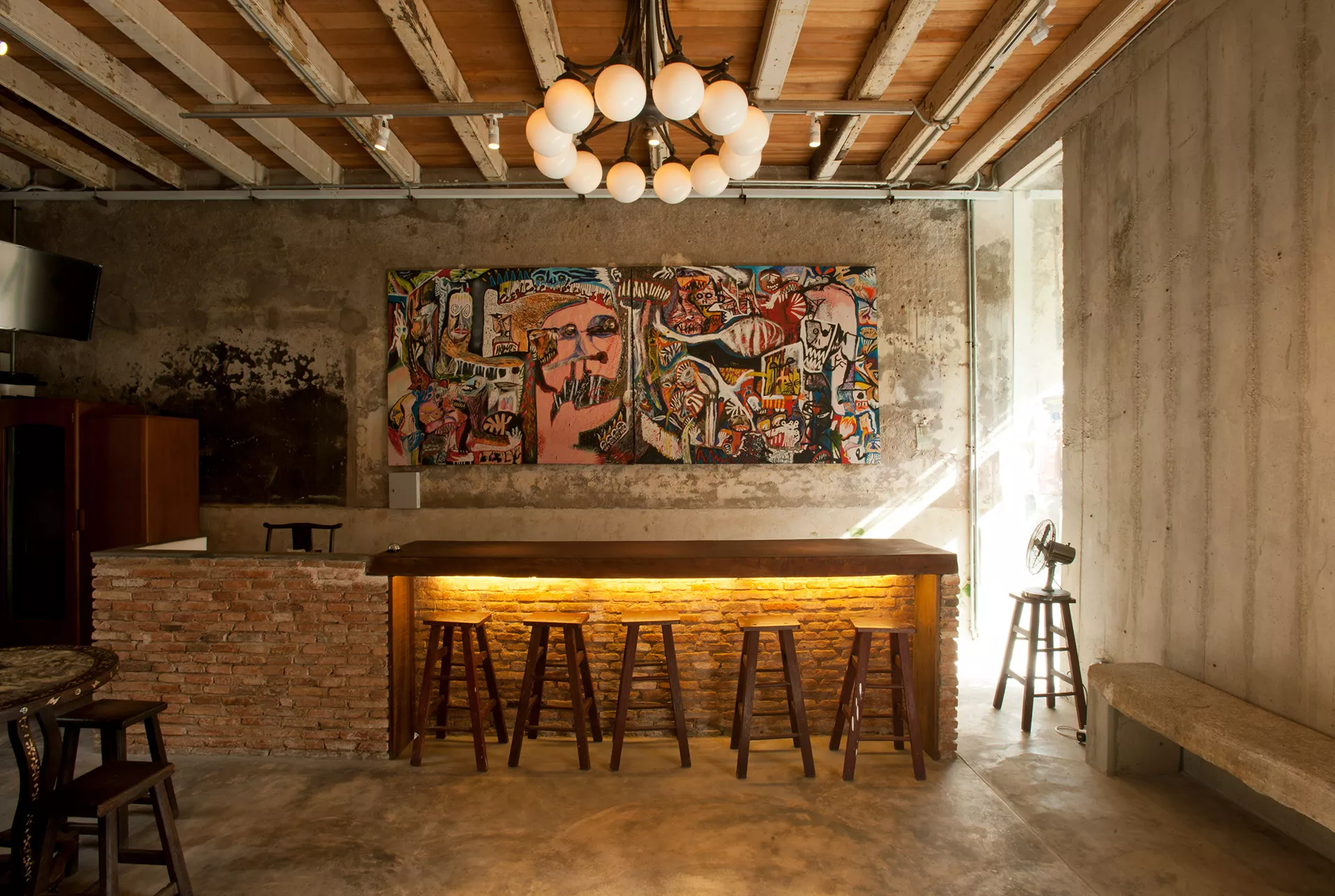
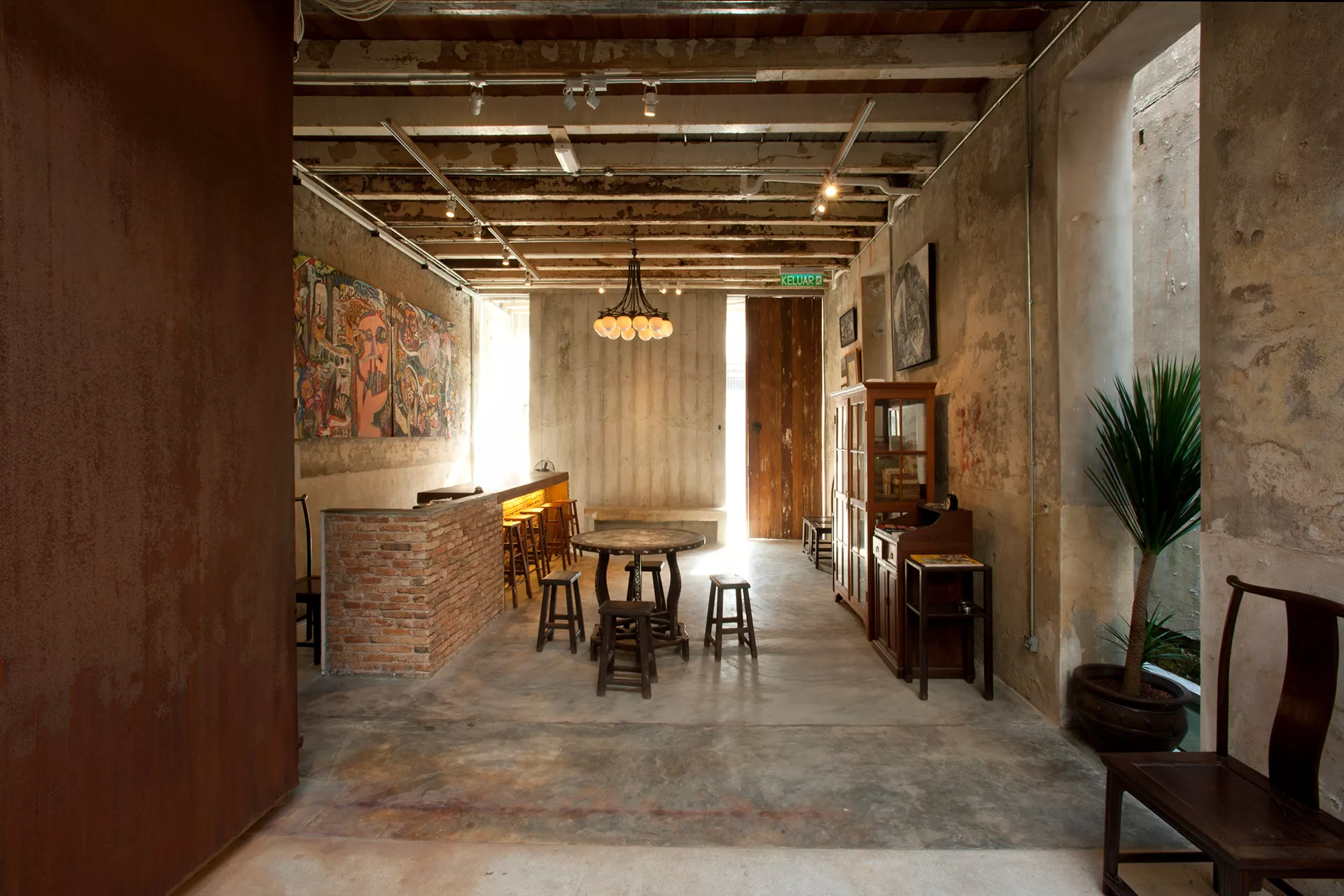
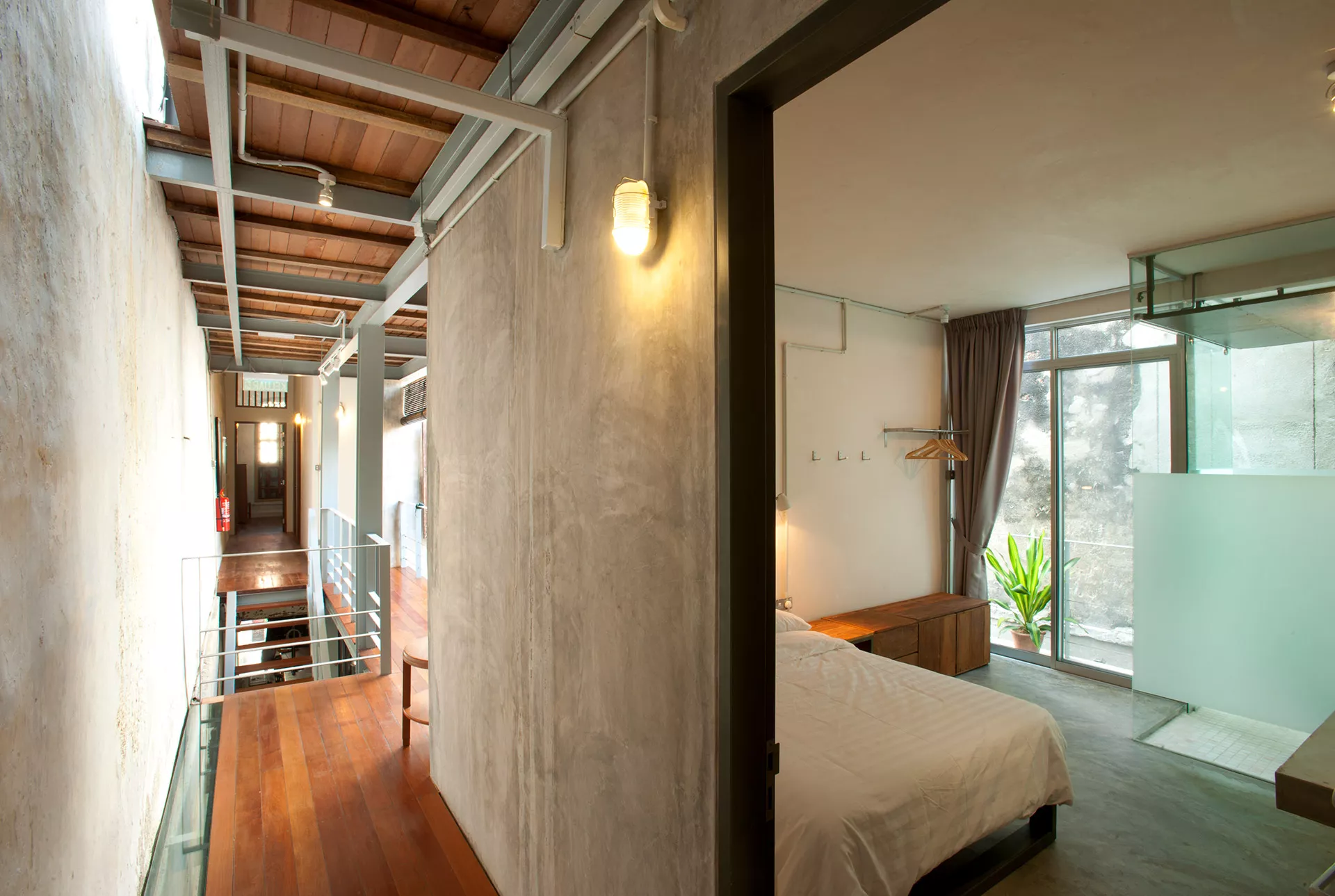
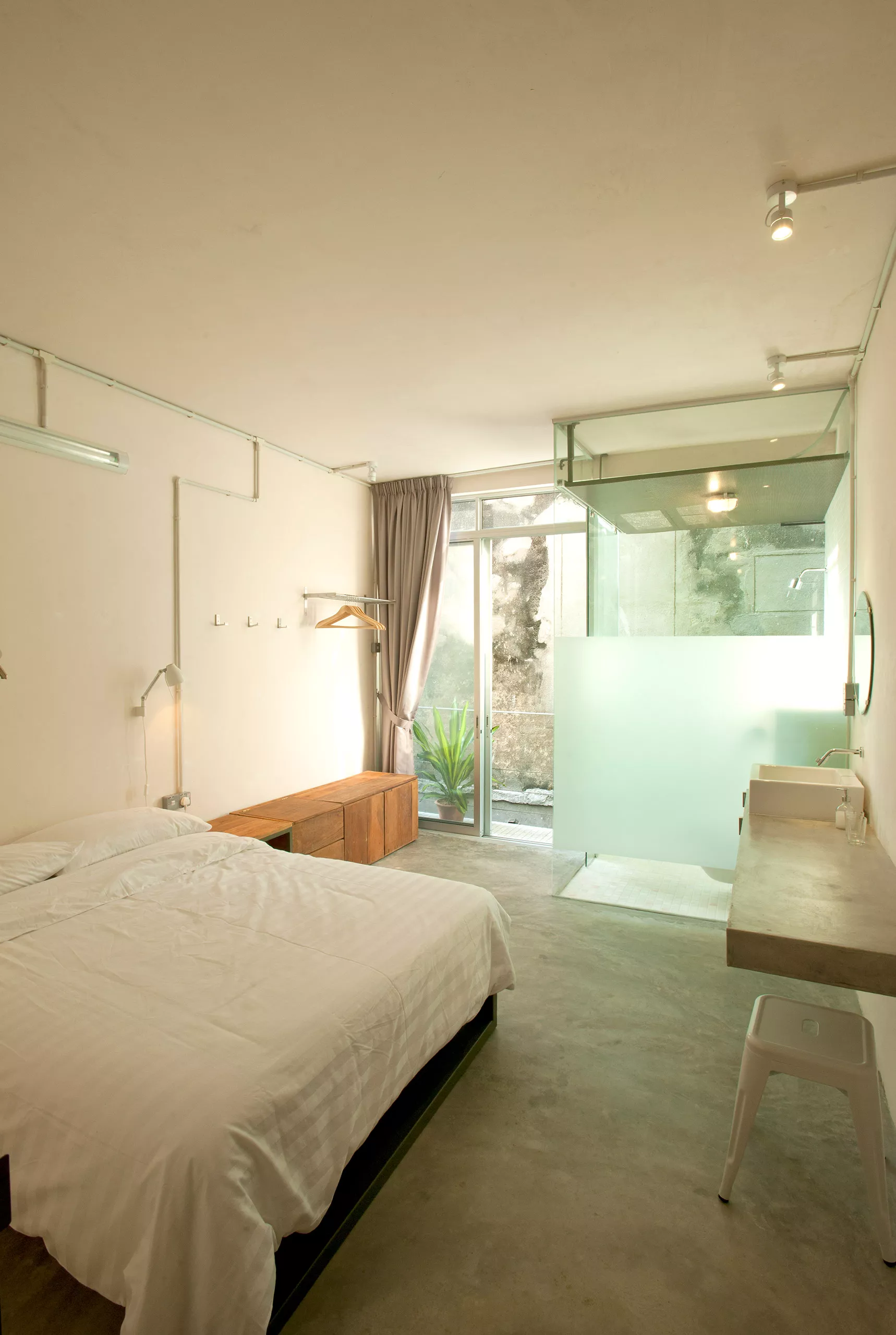
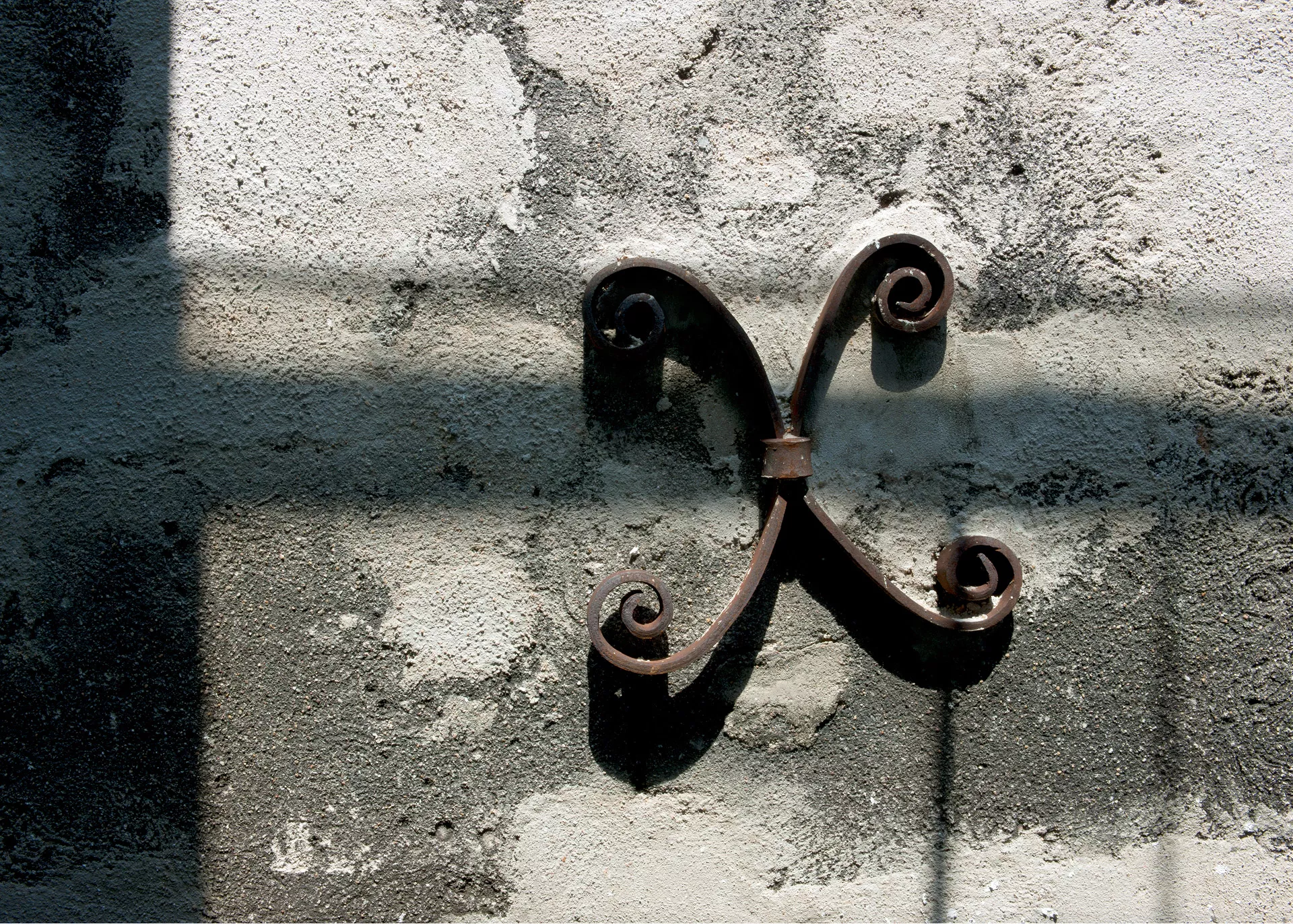
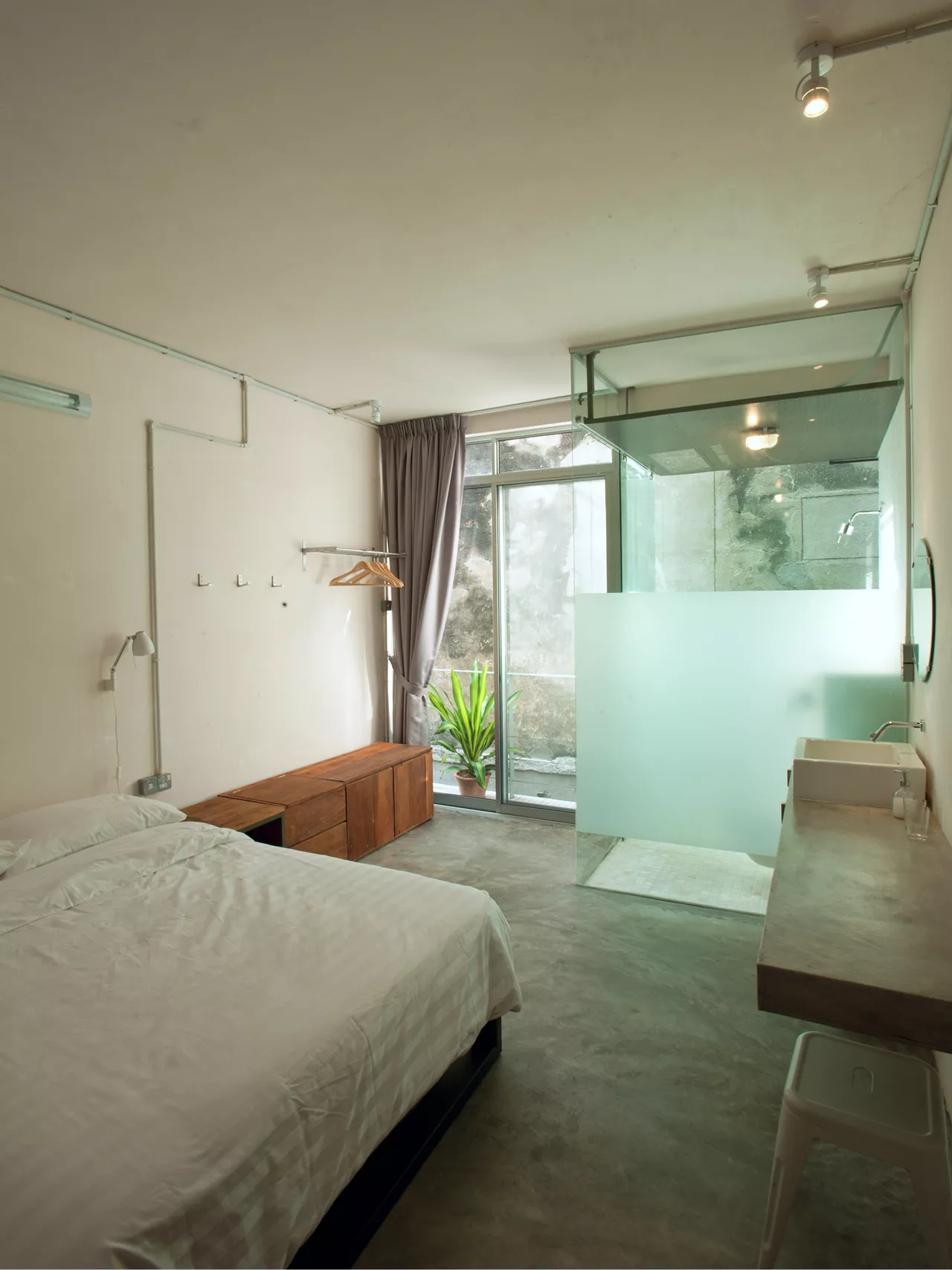
The interior is quiet and restrained, bringing prominence to the architecture and heritage fabric rather than competing with it. Spatial interventions are deliberately minimal, prioritizing clarity, daylight, and material continuity to support the dual programmes of exhibition spaces and boutique accommodation. Existing structural elements are exposed and celebrated, while new insertions are articulated in a contemporary language, clearly distinguishable from the original fabric.
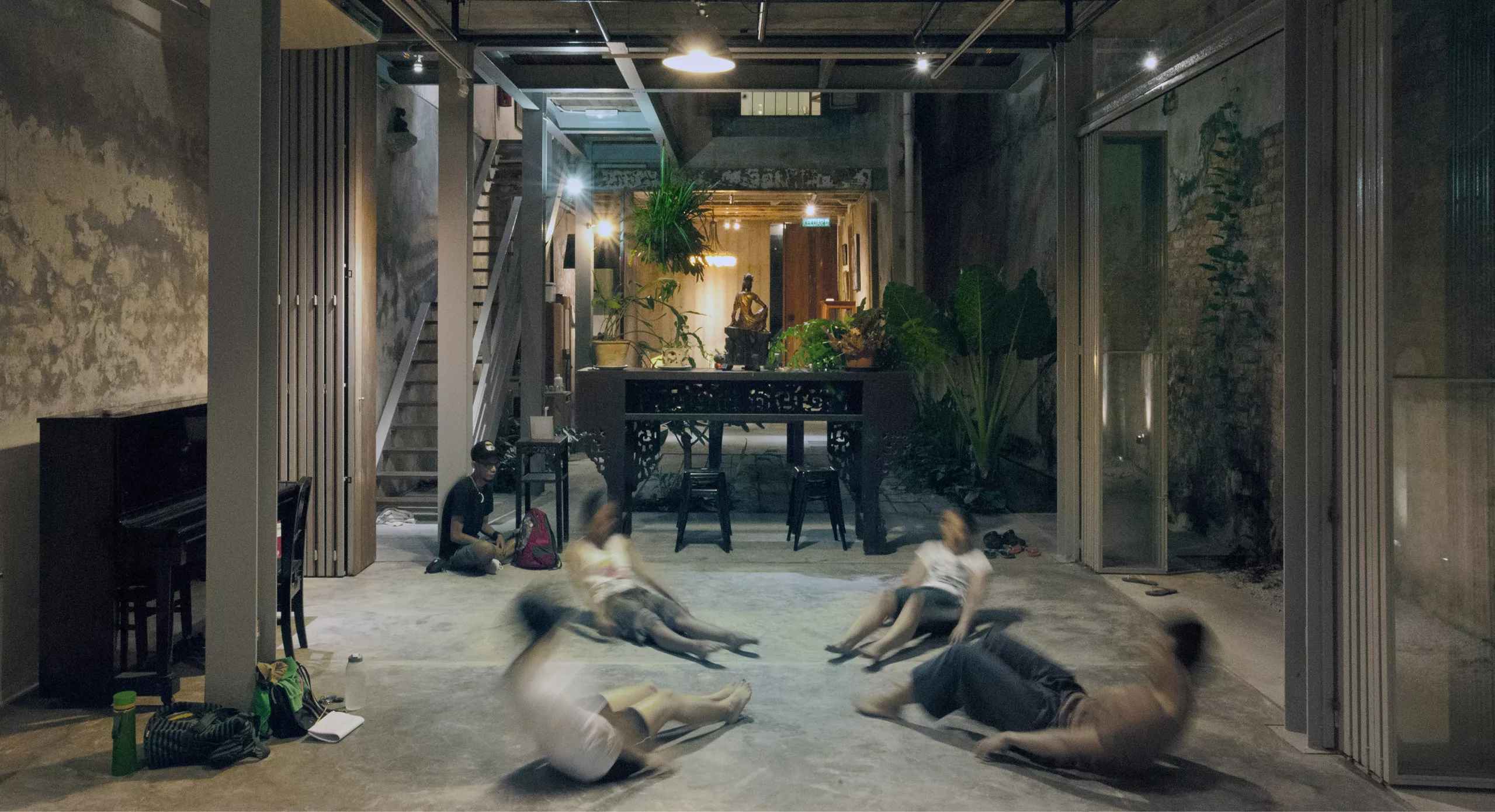
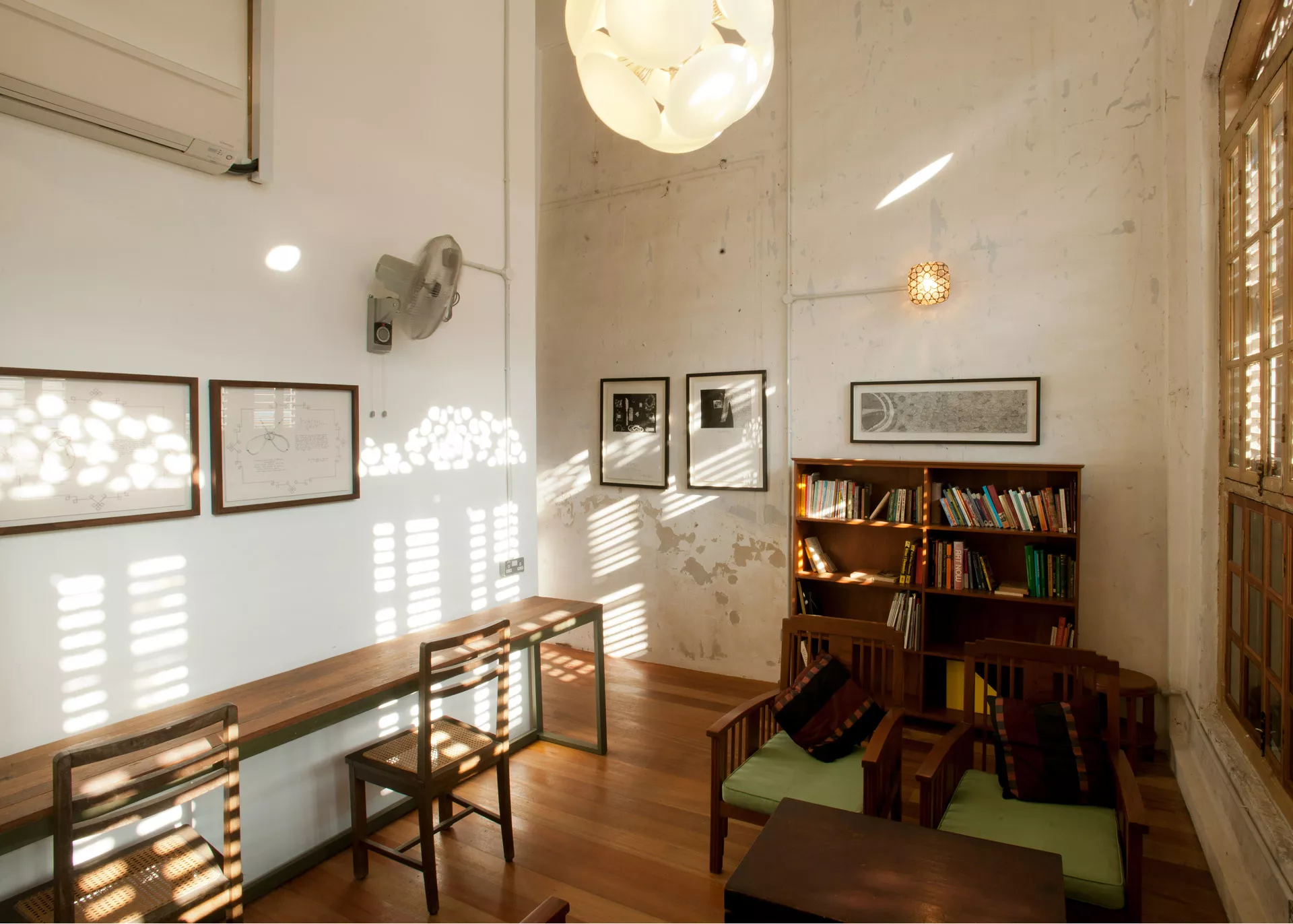
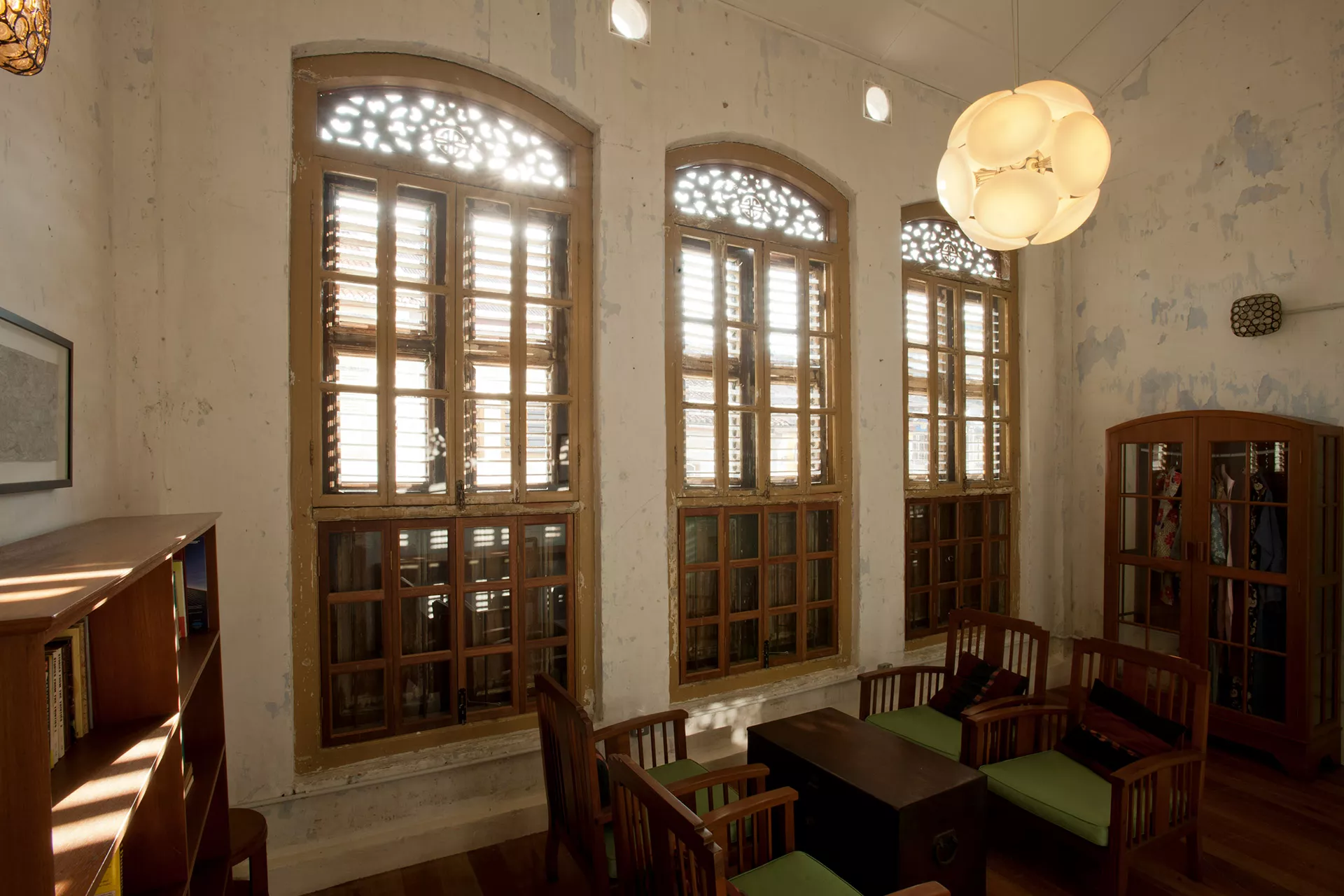
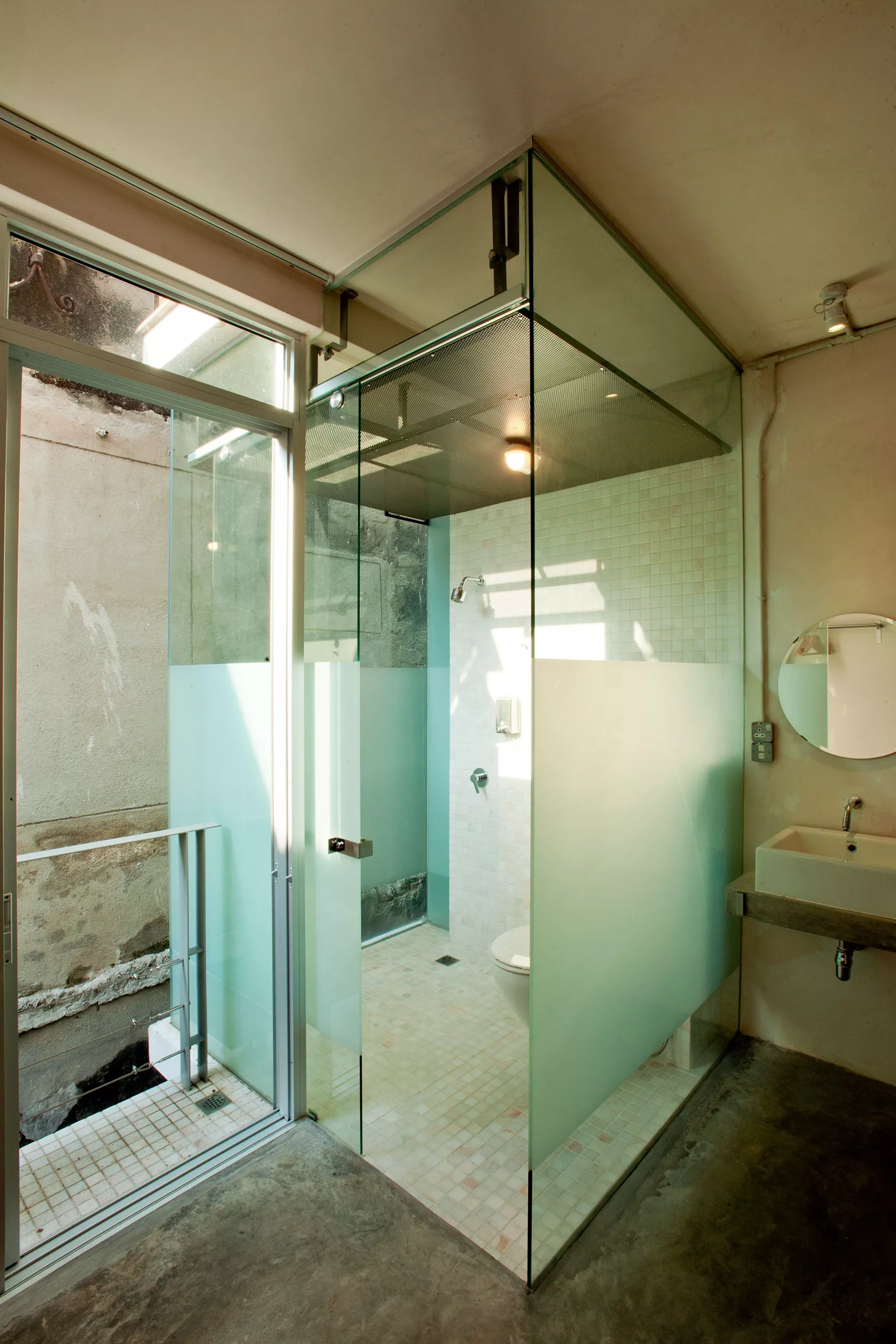
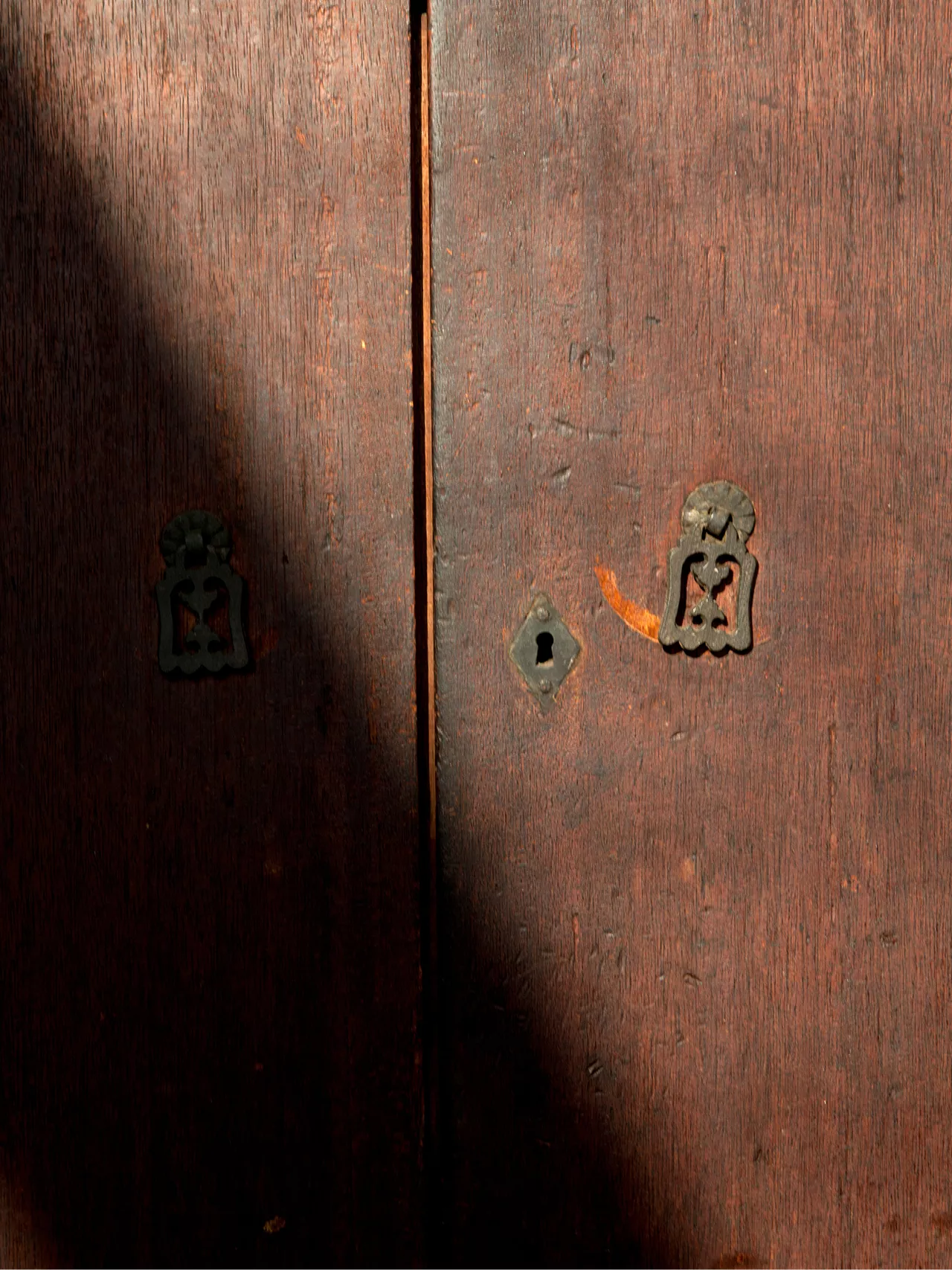
Meanwhile, a muted palette of natural materials—timber, concrete, steel, and lime-washed surfaces—establishes warmth, tactility, and climatic appropriateness. Custom-built joinery and integrated furniture are carefully detailed to provide functionality while maintaining visual calm. Light becomes a primary design material, filtering through courtyards and voids to animate the interiors throughout the day. Collectively, the interior spaces foster a quiet dialogue between heritage and modernity, offering environments that are both contemplative and adaptable for cultural engagement and hospitality.
Awards
2018
International Design Award
Honorable Mention
2016
Cityscape Award
Winner – Leisure & Hospitality
2015
Pertubuhan Akitek Malaysia (PAM) Award
Gold – Alteration & Addition
2015
Pertubuhan Akitek Malaysia (PAM) Award
Winner – Building of the Year
Learn About Our Projects
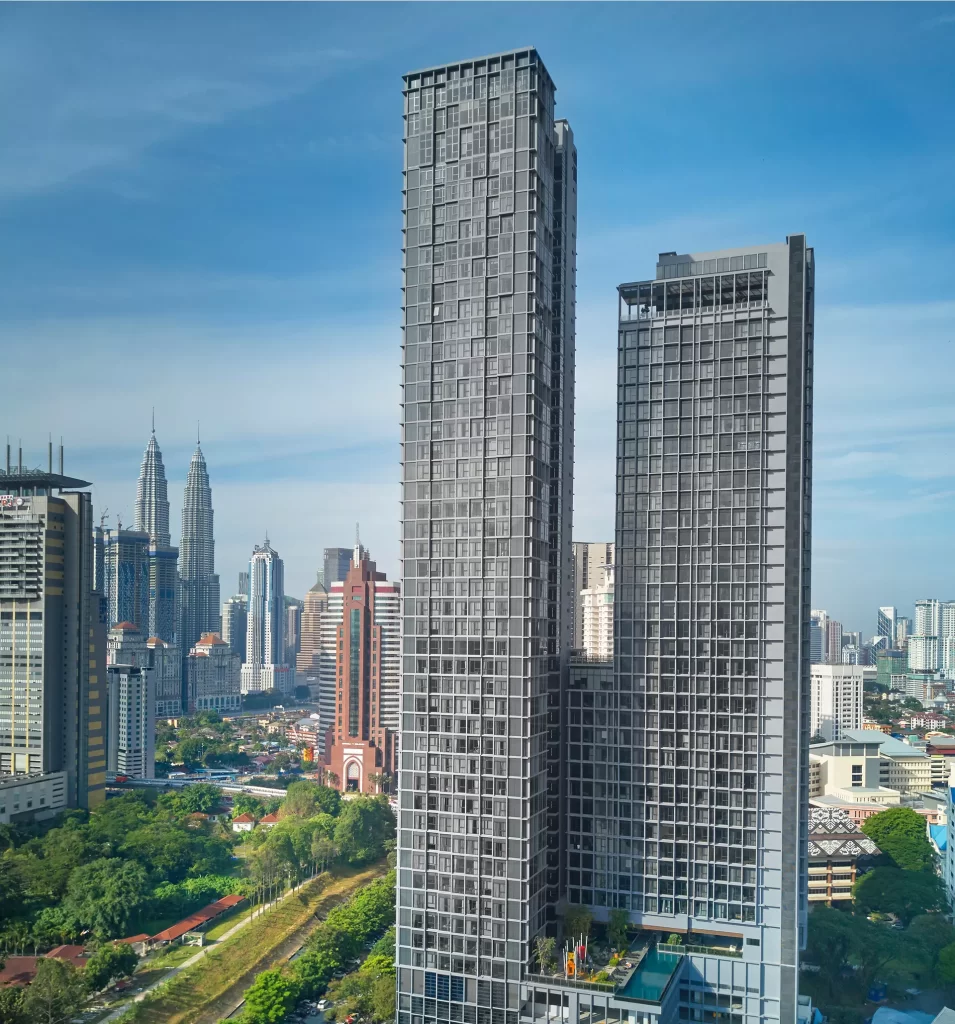
Expressionz
Professional Suites
Expressionz Professional Suites
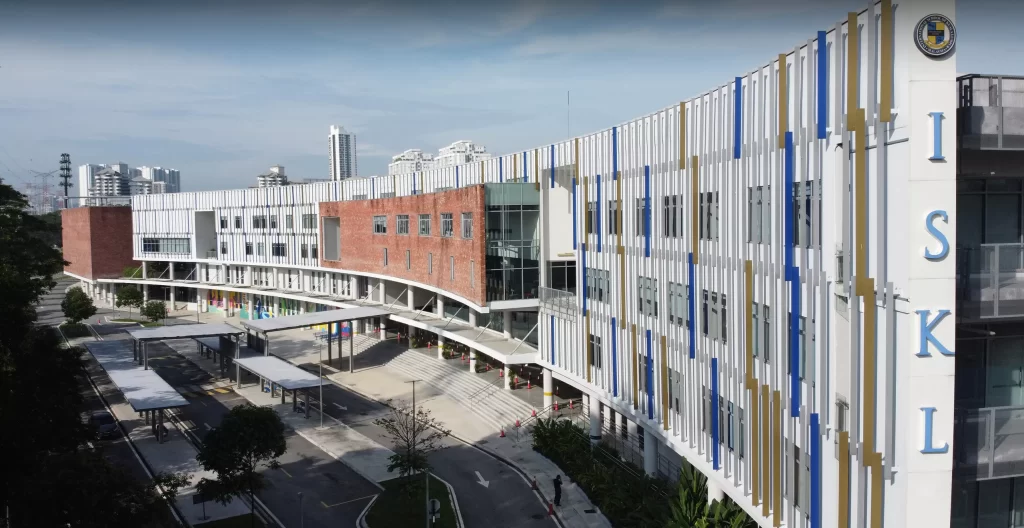
International School of Kuala Lumpur (ISKL)
International School of Kuala Lumpur (ISKL)
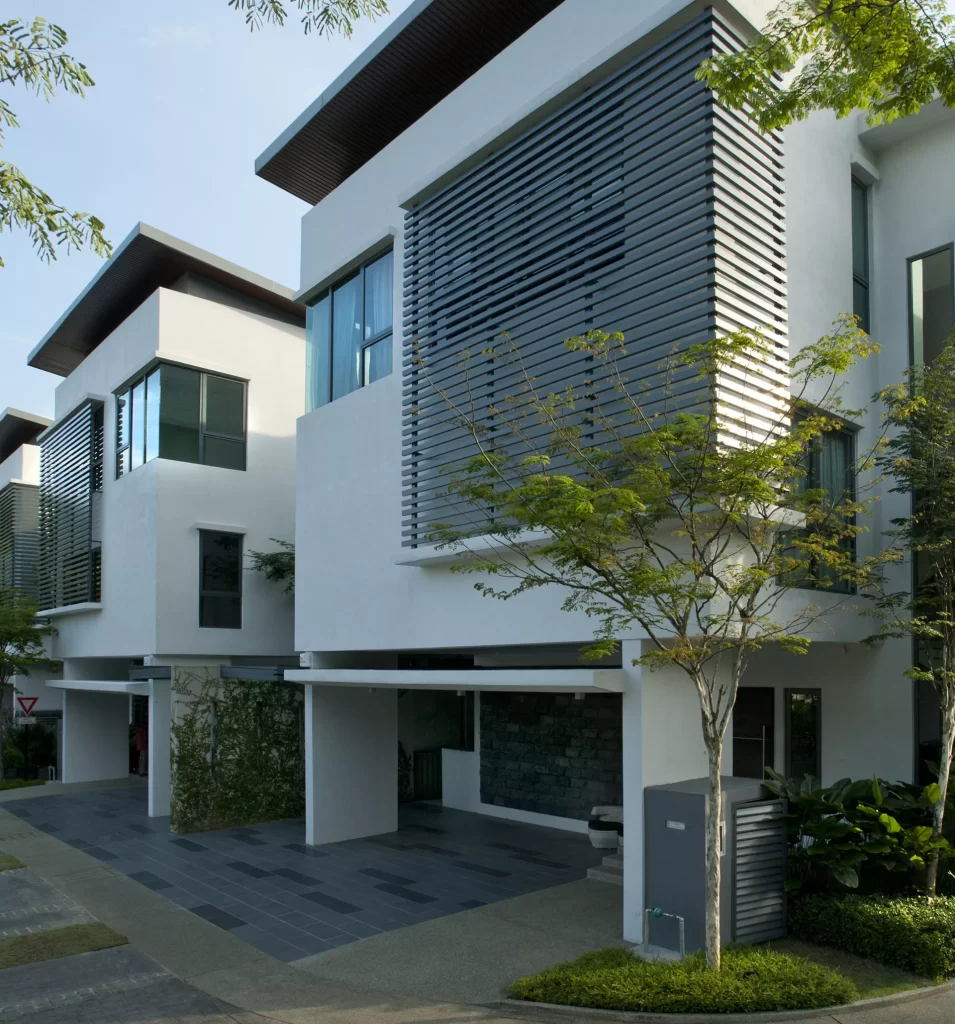
10 Damansara Villas
10 Damansara Villas
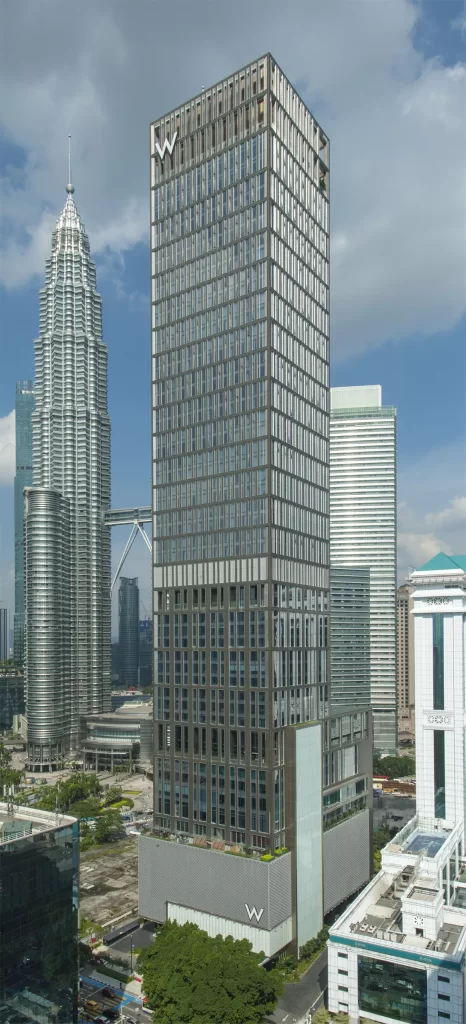
W Kuala Lumpur
W Kuala Lumpur
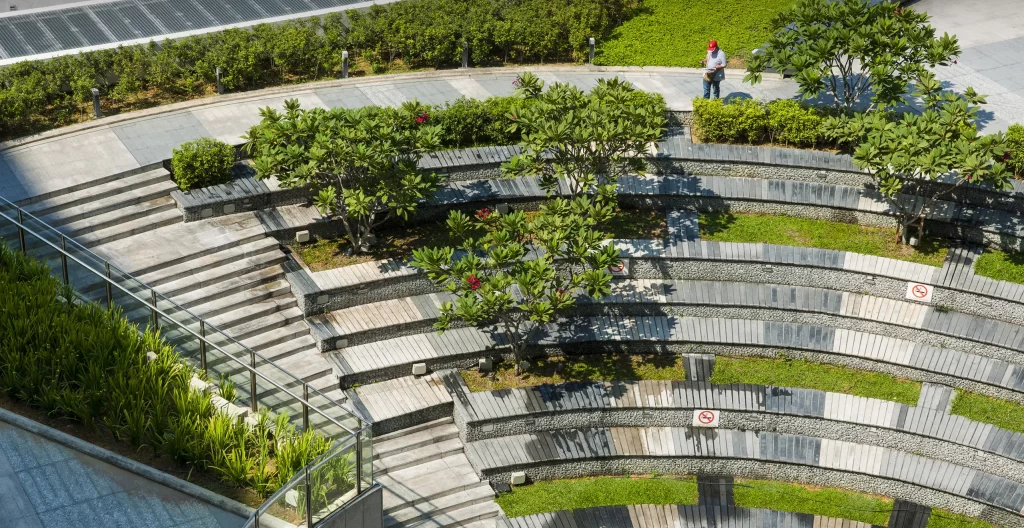
MyTOWN Shopping Centre
MyTOWN Shopping Centre
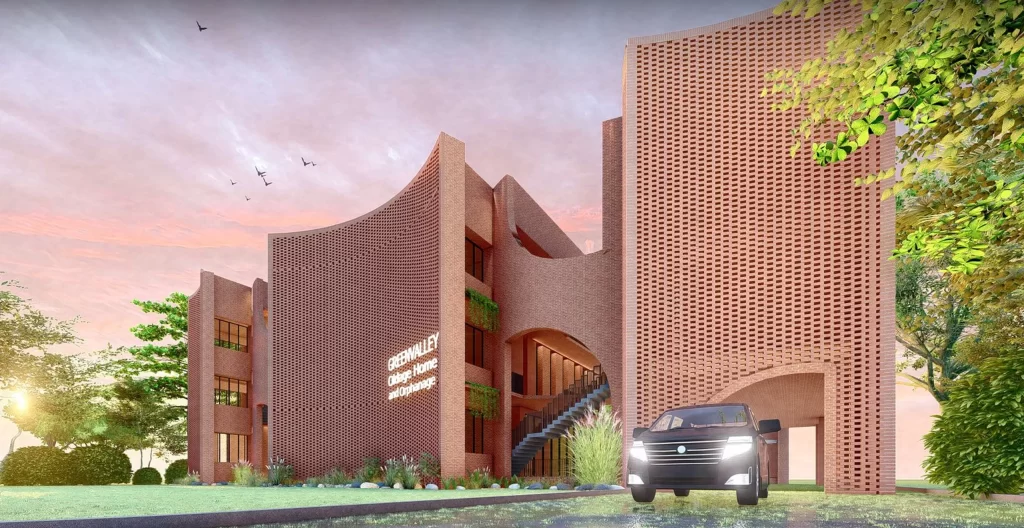
Green Valley Oldage Home and Orphanage
Green Valley Oldage Home and Orphanage
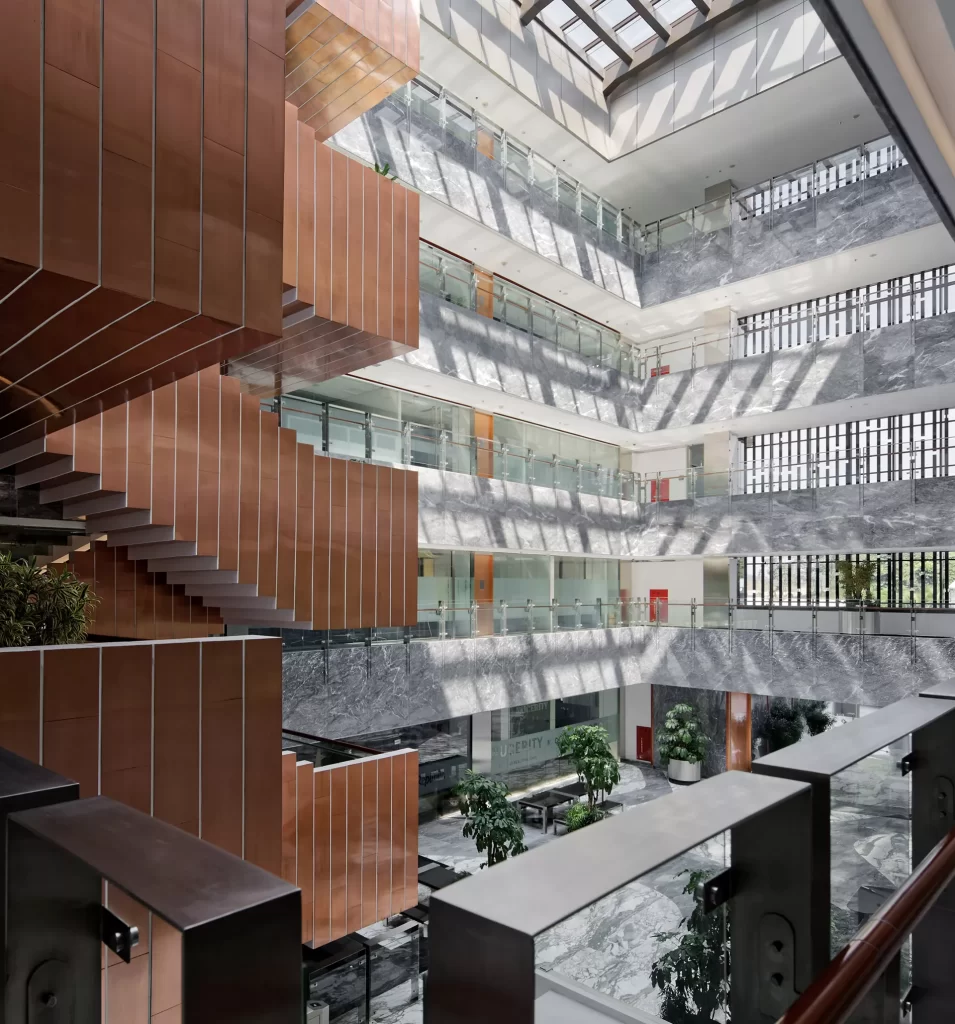
Green Office Park 6
Green Office Park 6
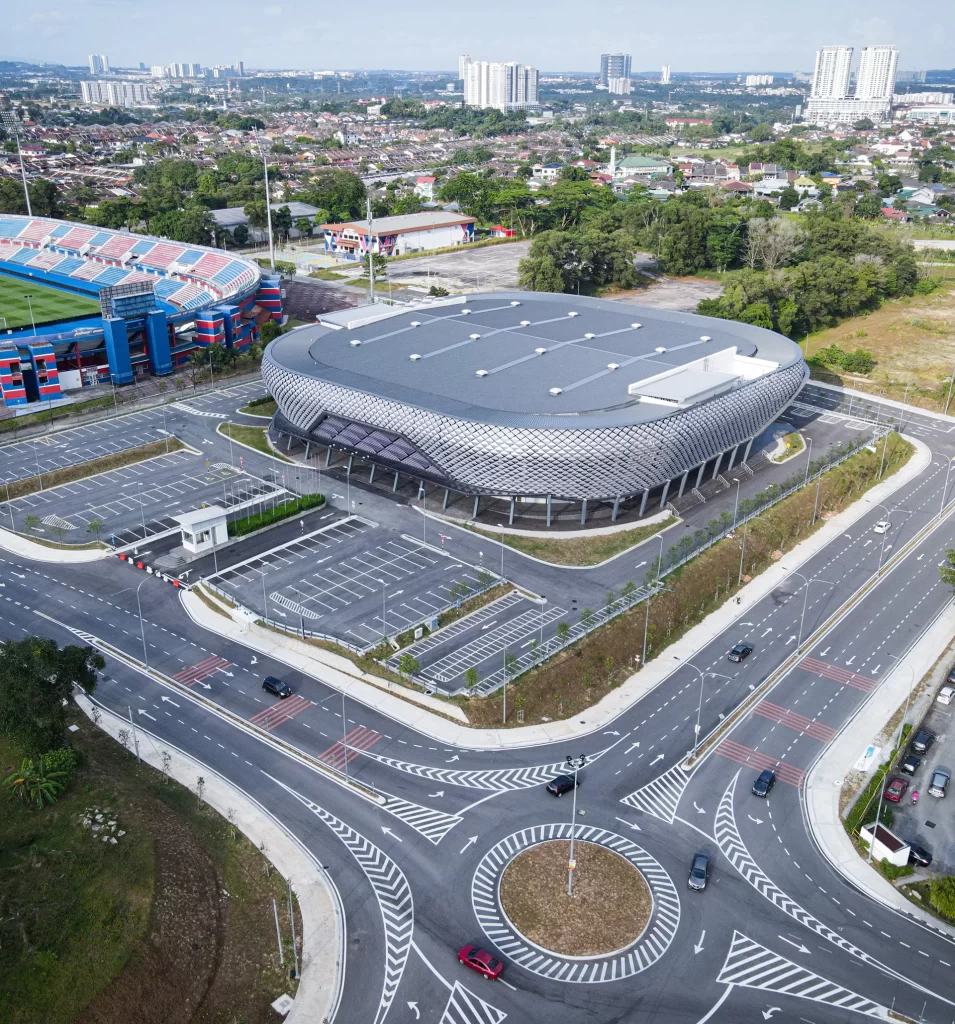
Arena Larkin Indoor Stadium
Arena Larkin Indoor Stadium
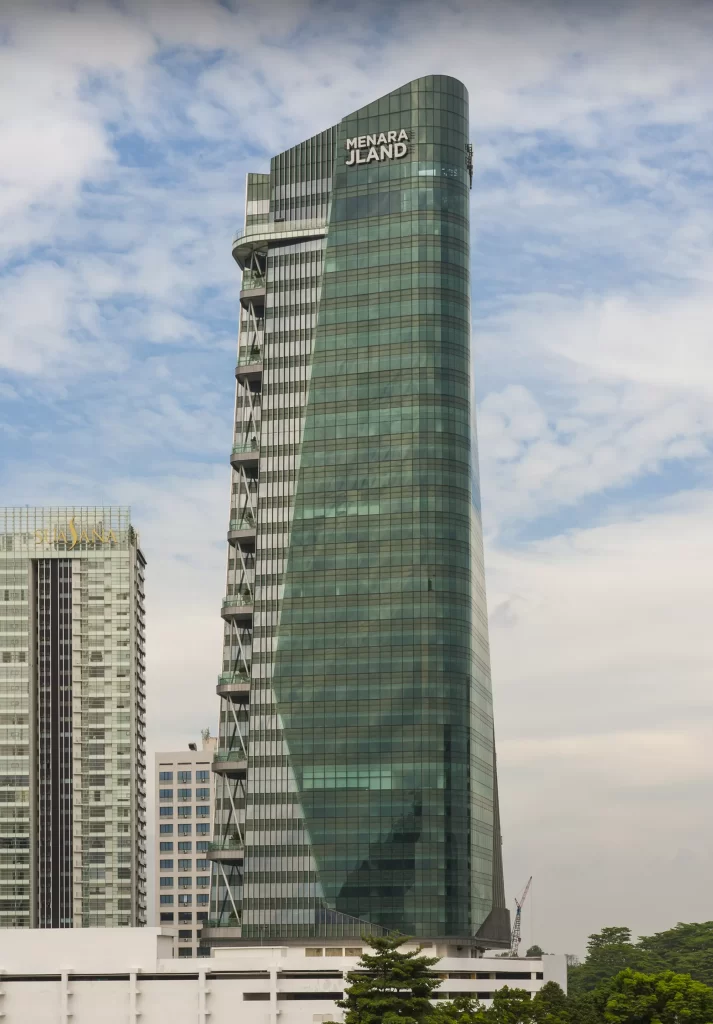
Menara JLand
Menara JLand
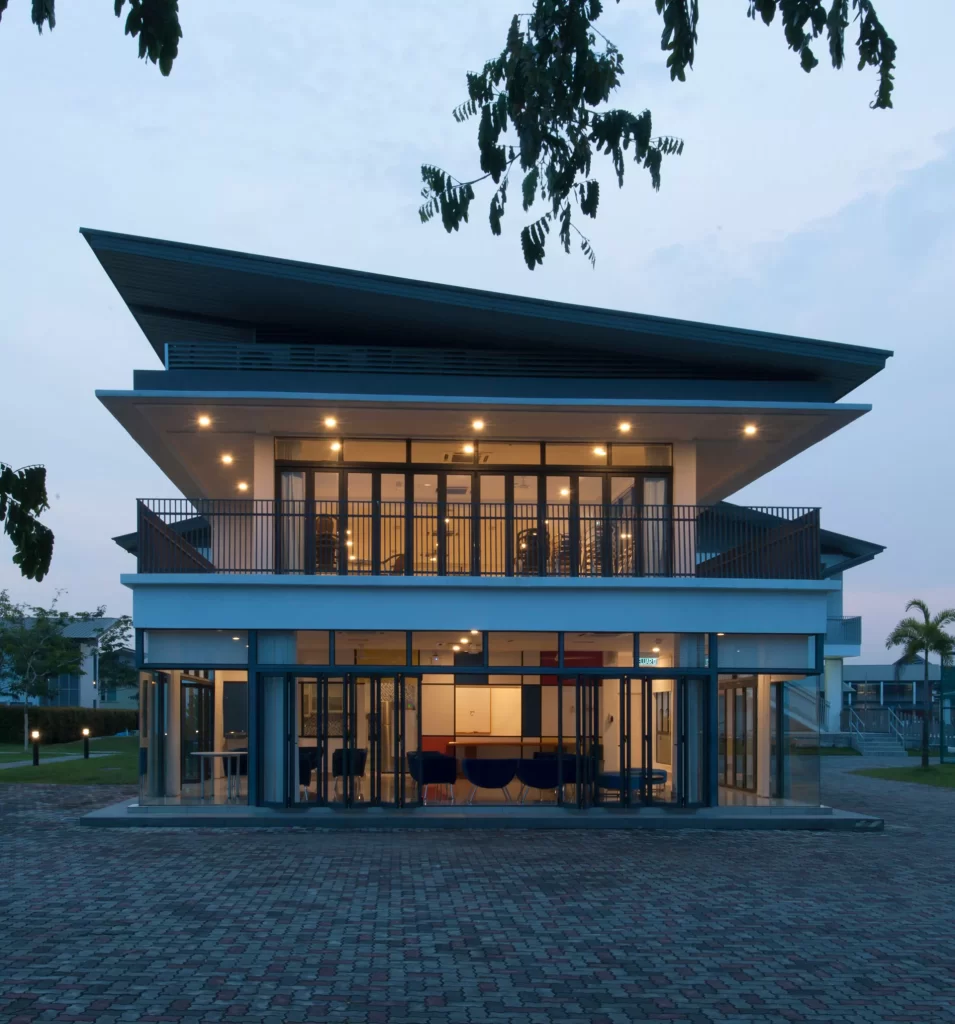
Marlborough College Malaysia
Marlborough College Malaysia
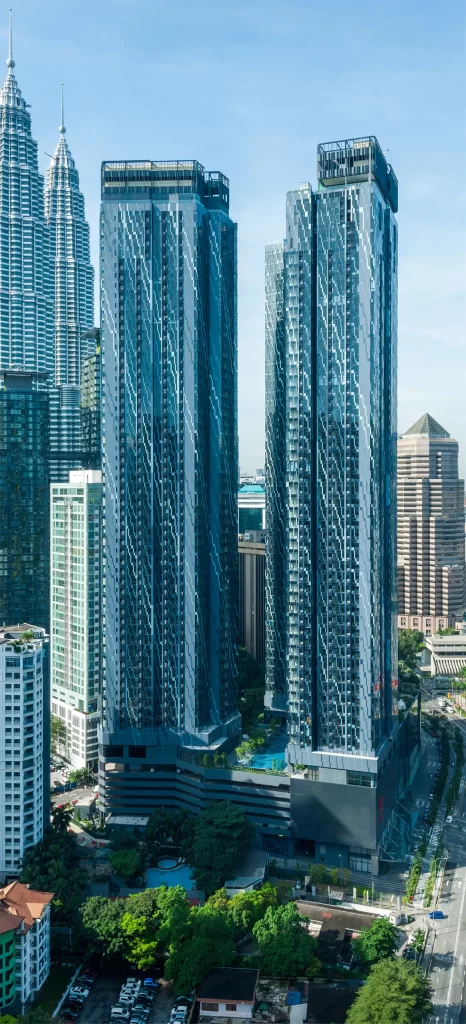
Star Residences
Star Residences
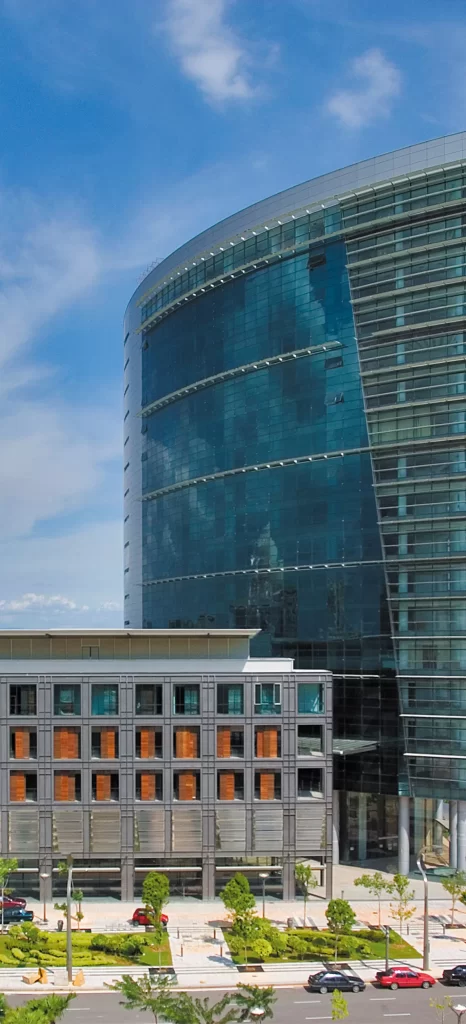
Ministry of Natural
Resources and Environmental
Ministry of Natural Resources and Environmental
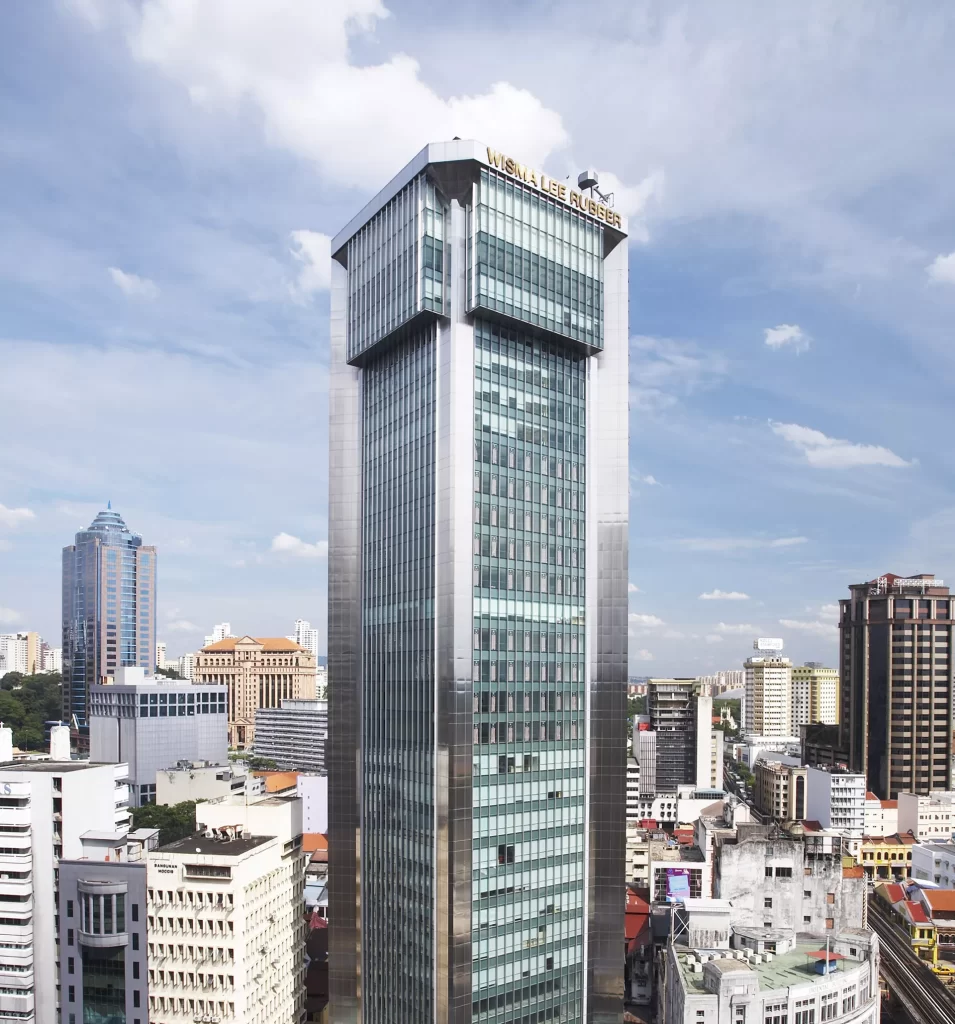
Wisma Lee Rubber
Wisma Lee Rubber
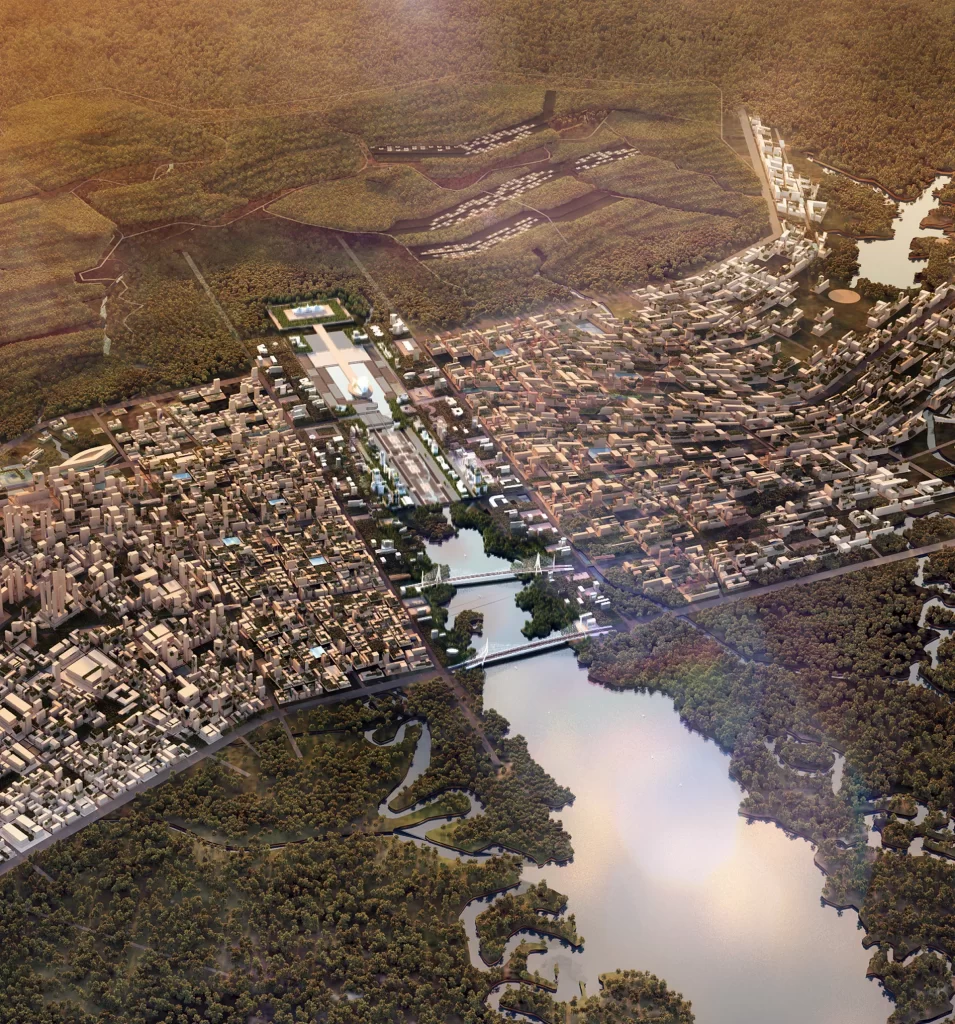
Ibu Kota Negara
Ibu Kota Negara
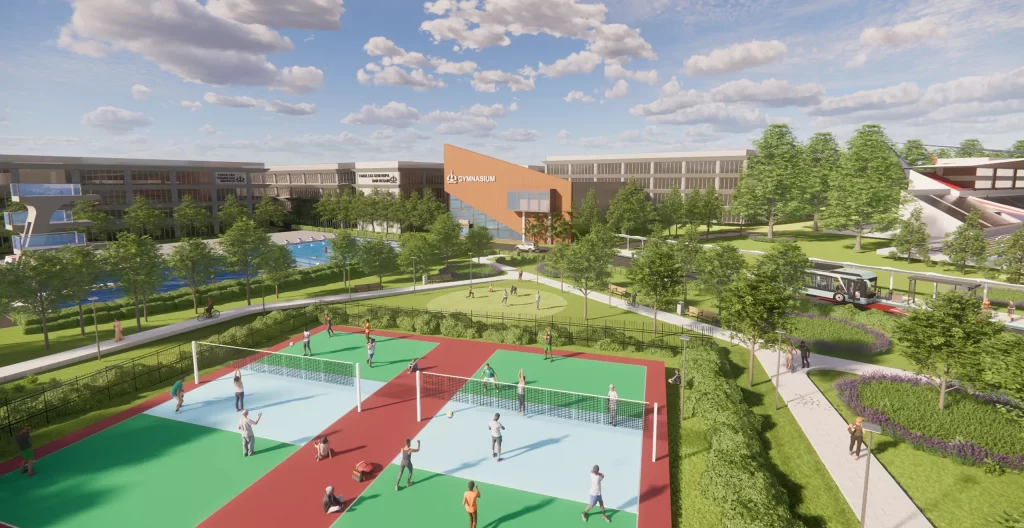
Trisakti Nagrak Campus Competition
Trisakti Nagrak Campus Competition
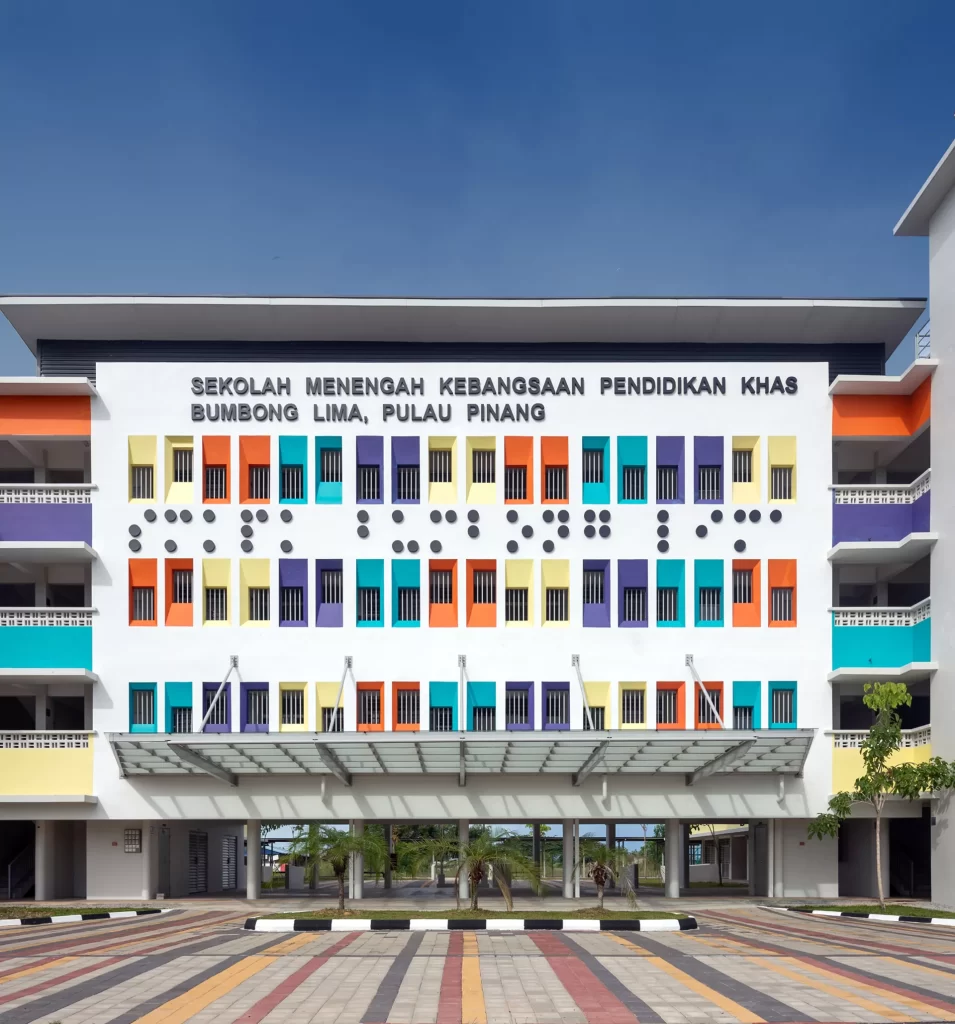
SMKPK Bumbong Lima