A Regeneration of Refuge, Recovery and Resilience

Women’s Aid Organisation
Shelter Home
CLIENT
Women’s Aid Organisation (WAO)
REGION
Kuala Lumpur
YEAR
Completed in 2022
GFA
530 m²
DISCIPLINES
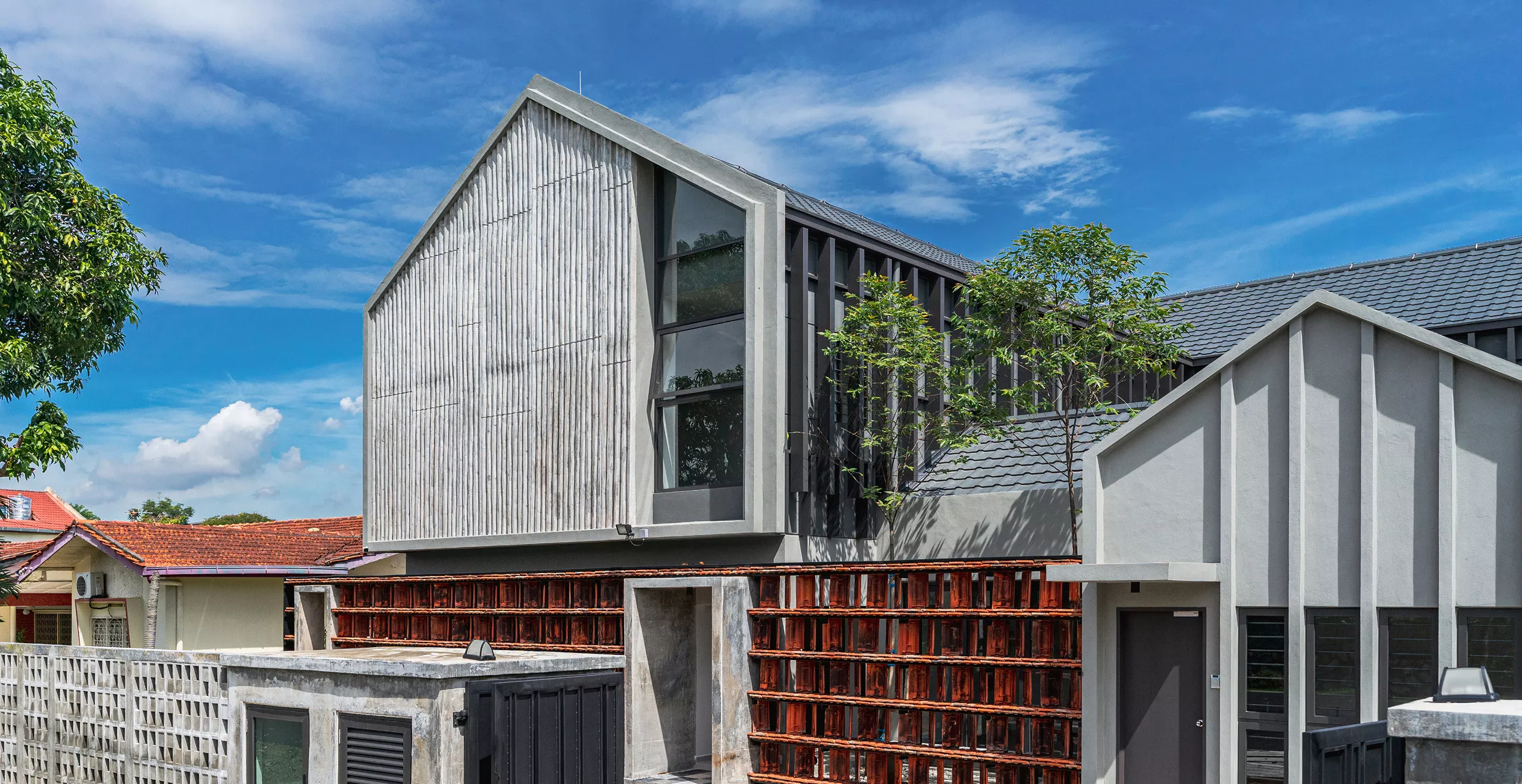
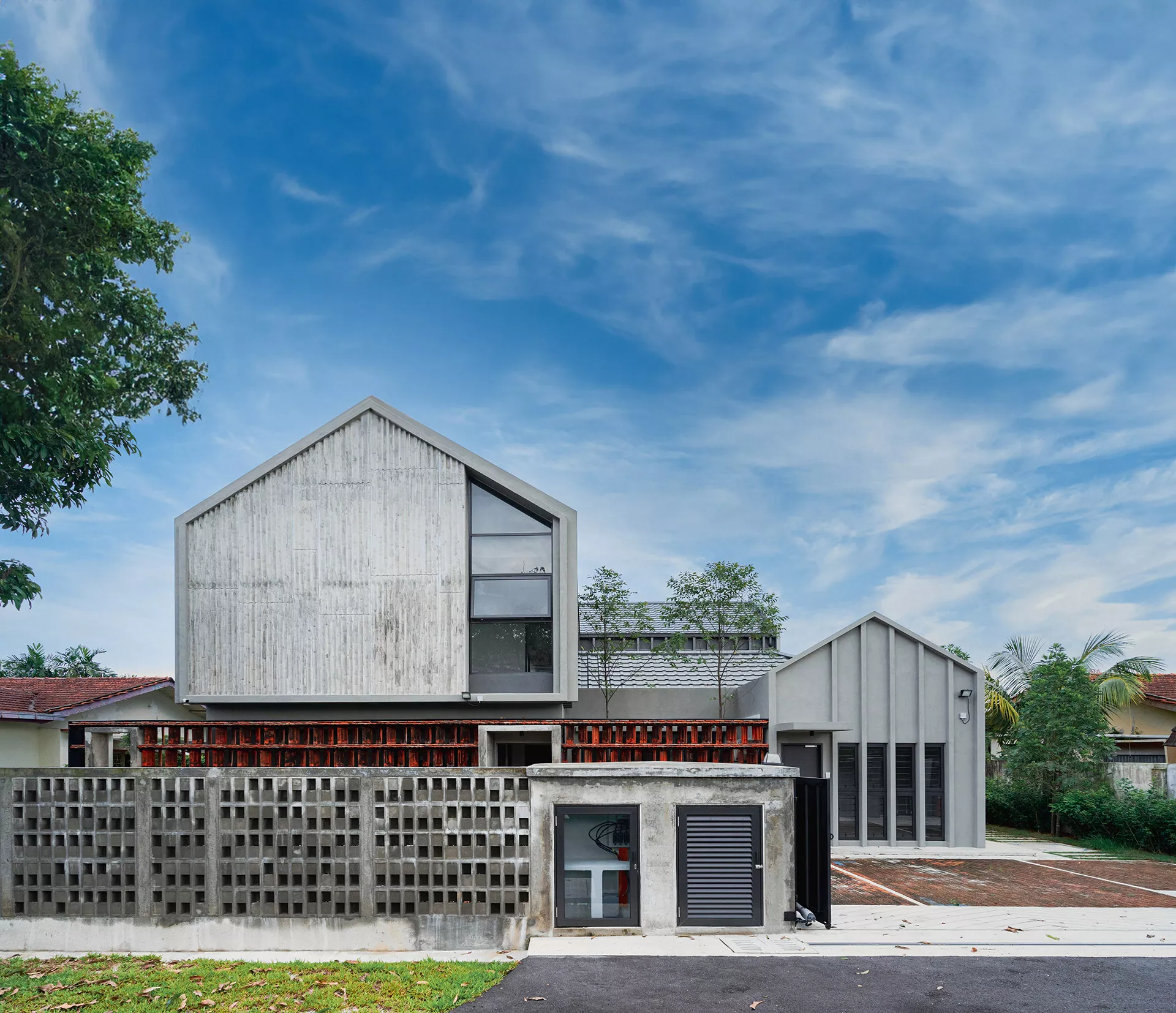
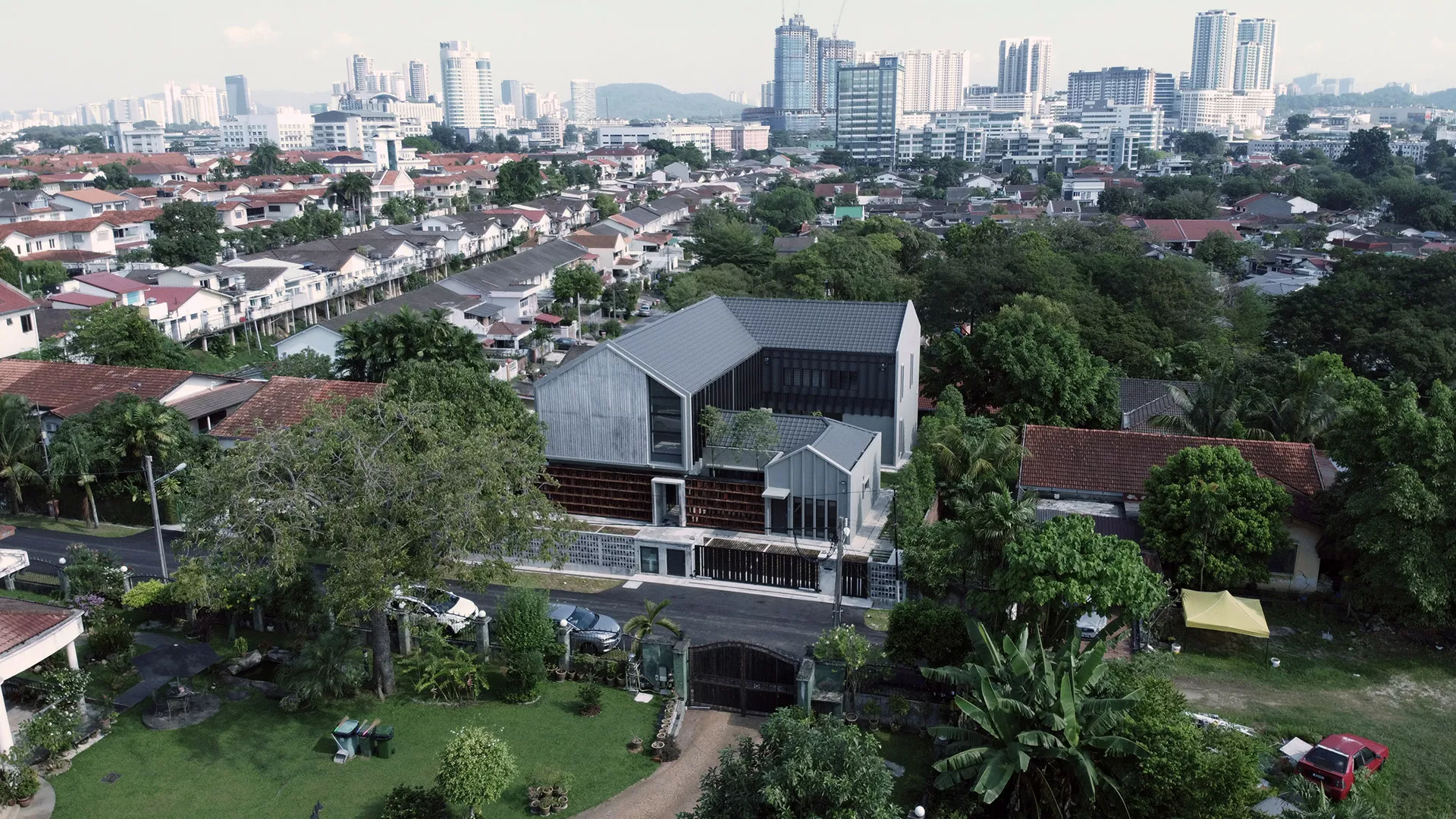
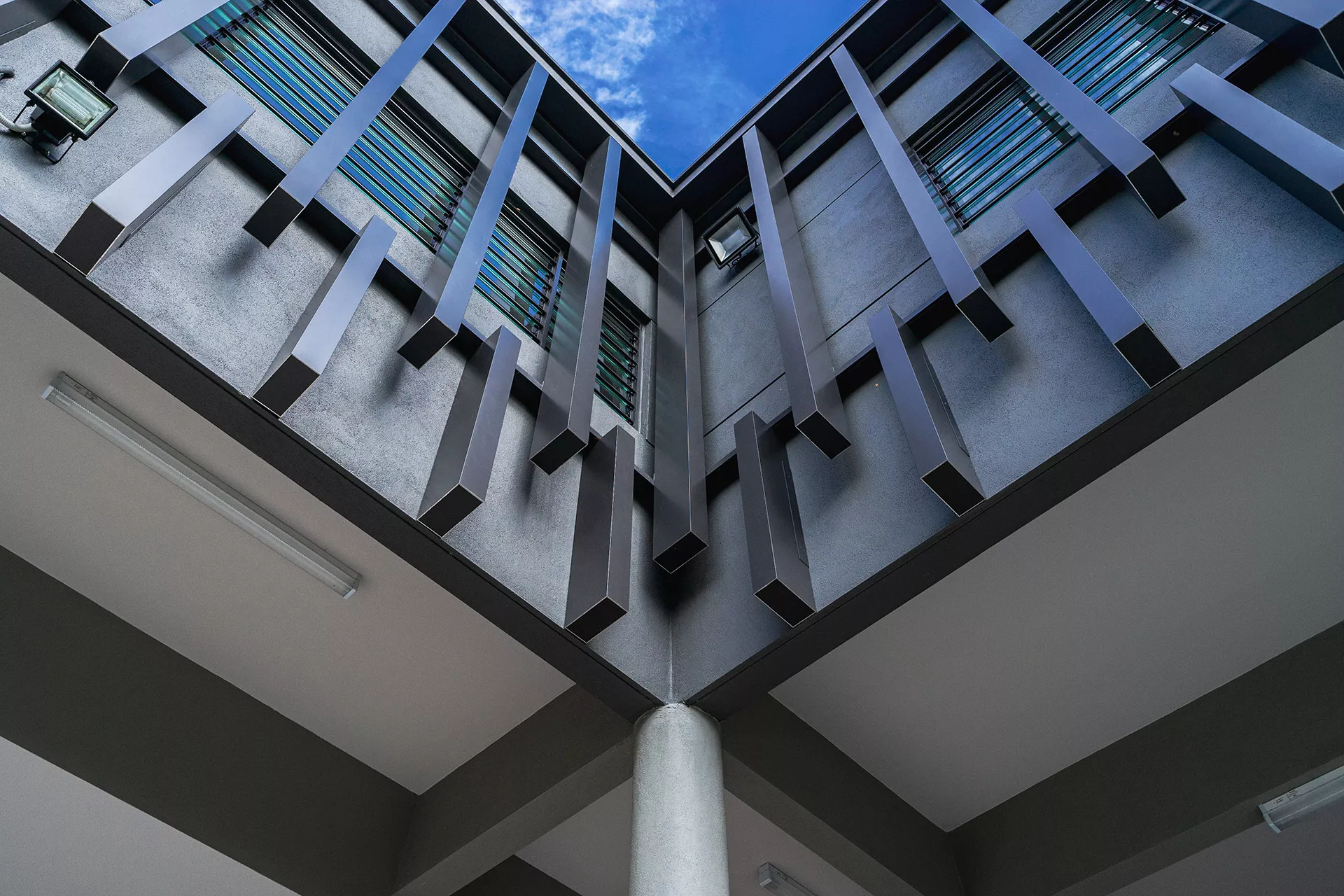
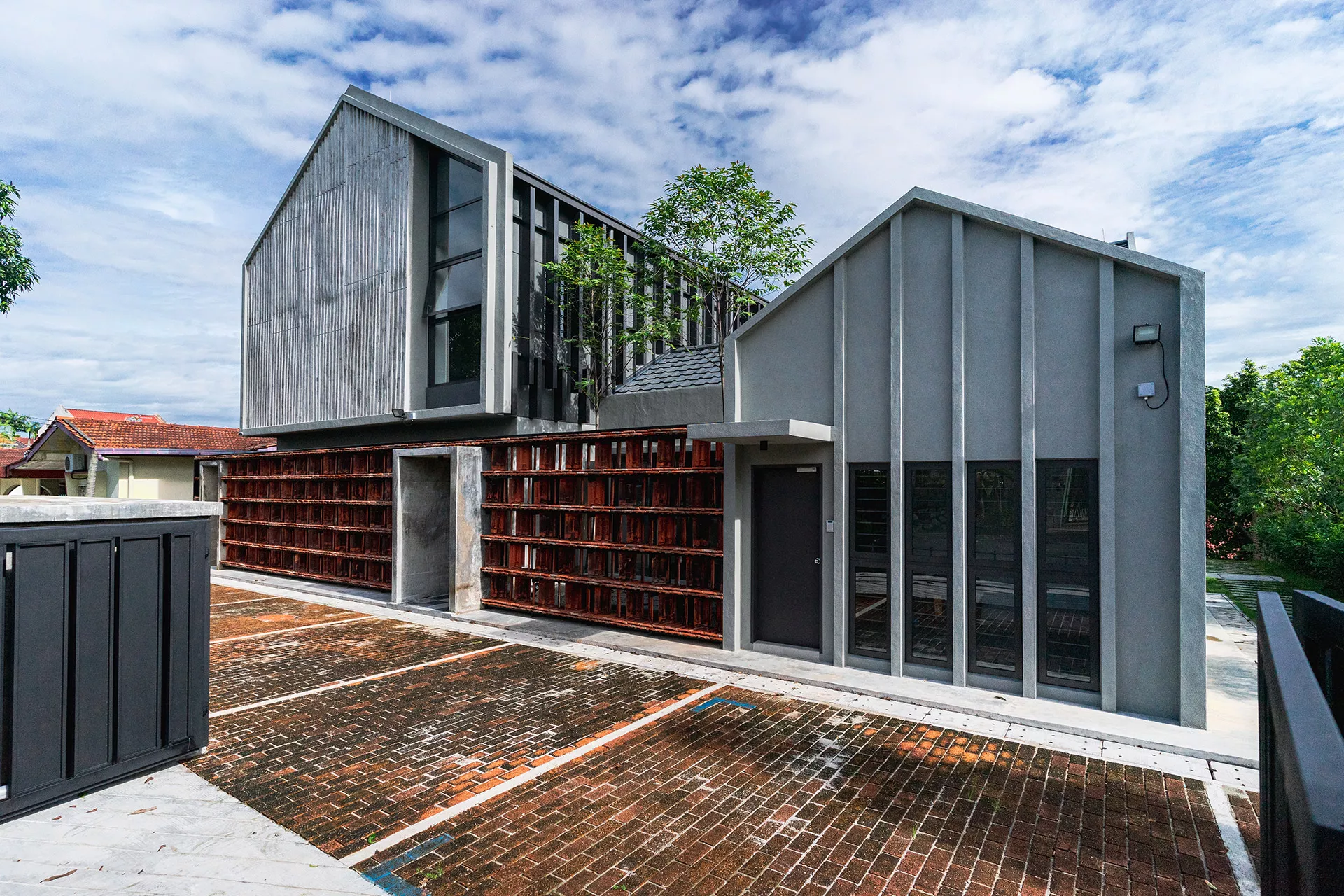
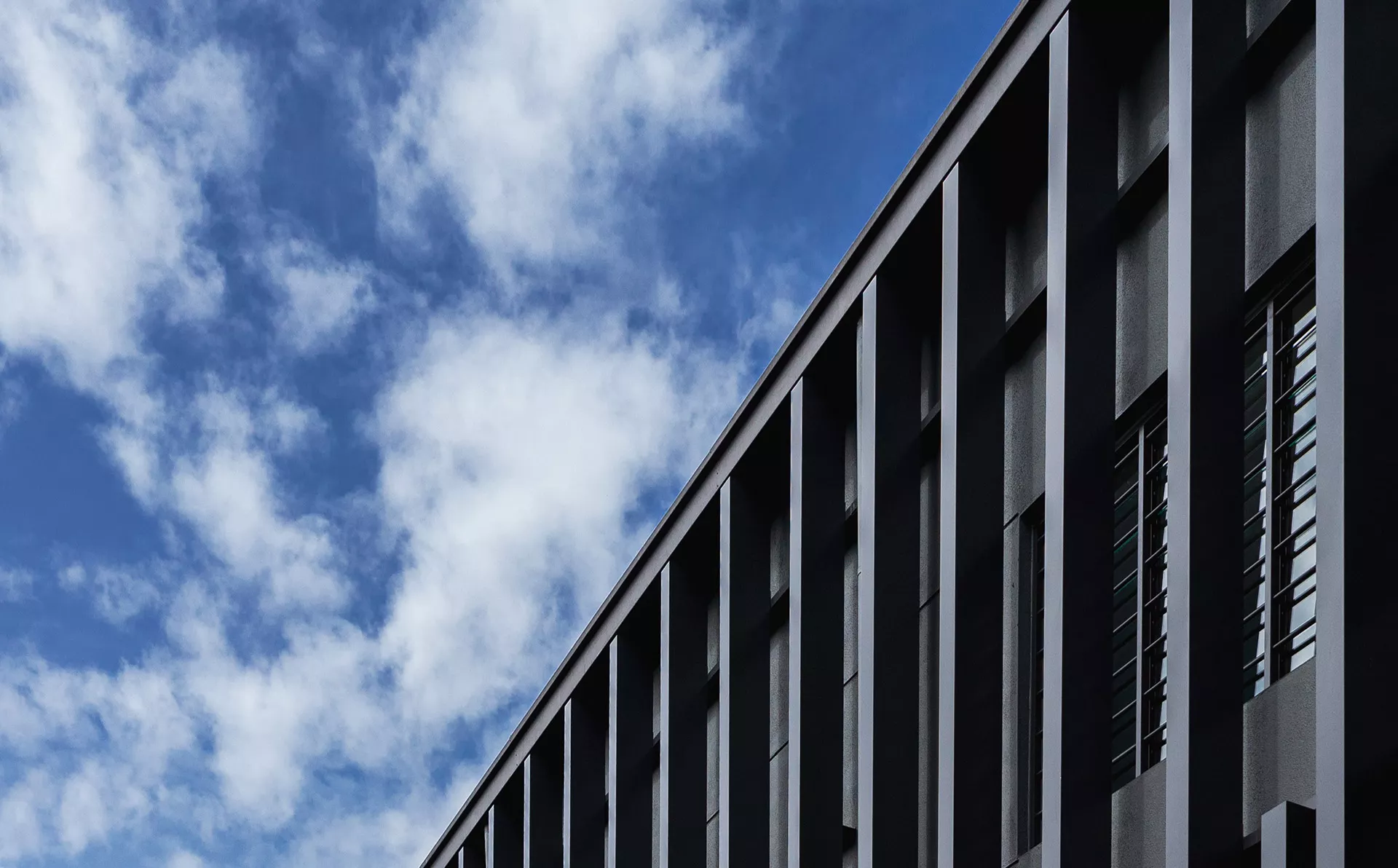
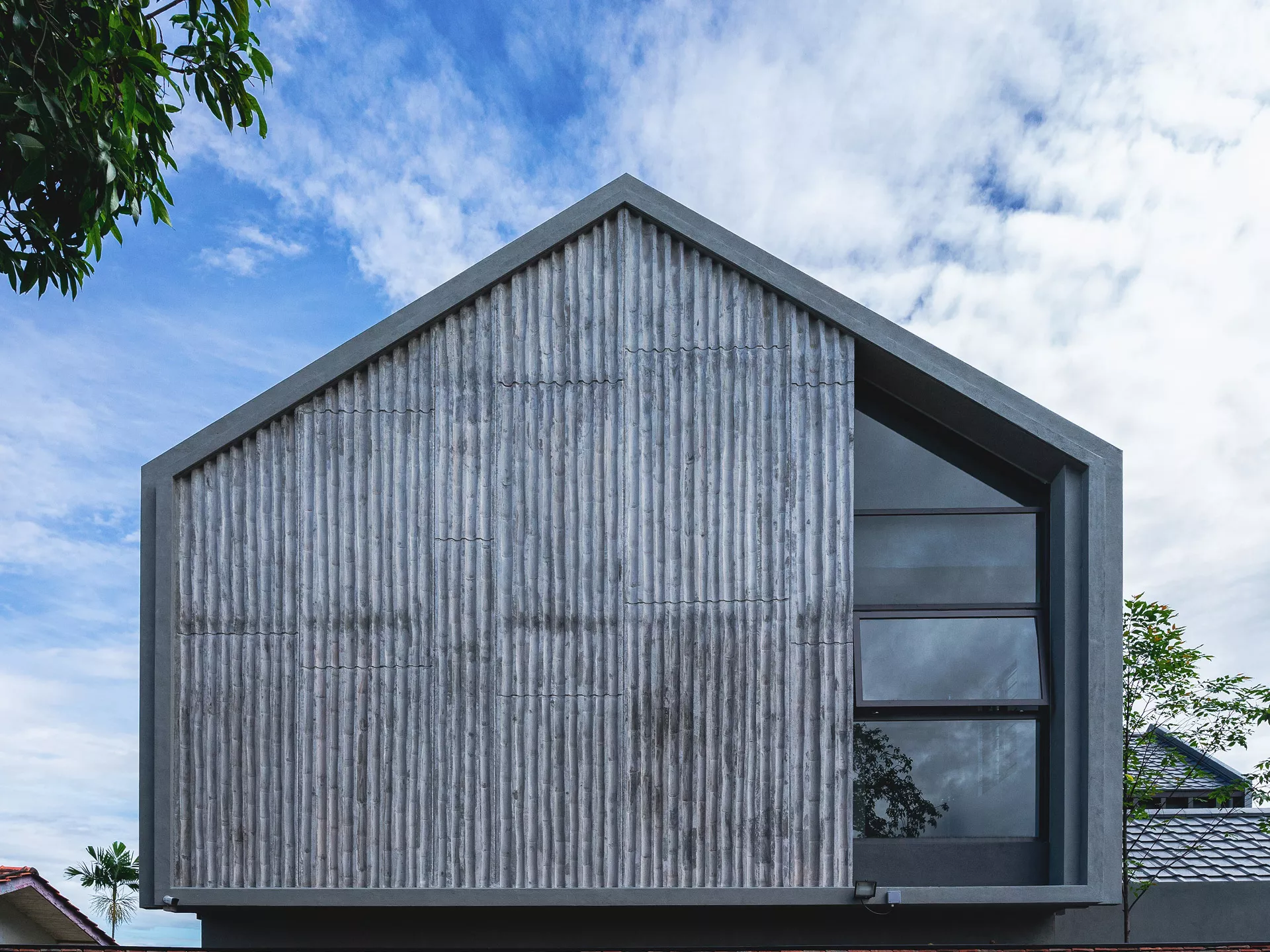
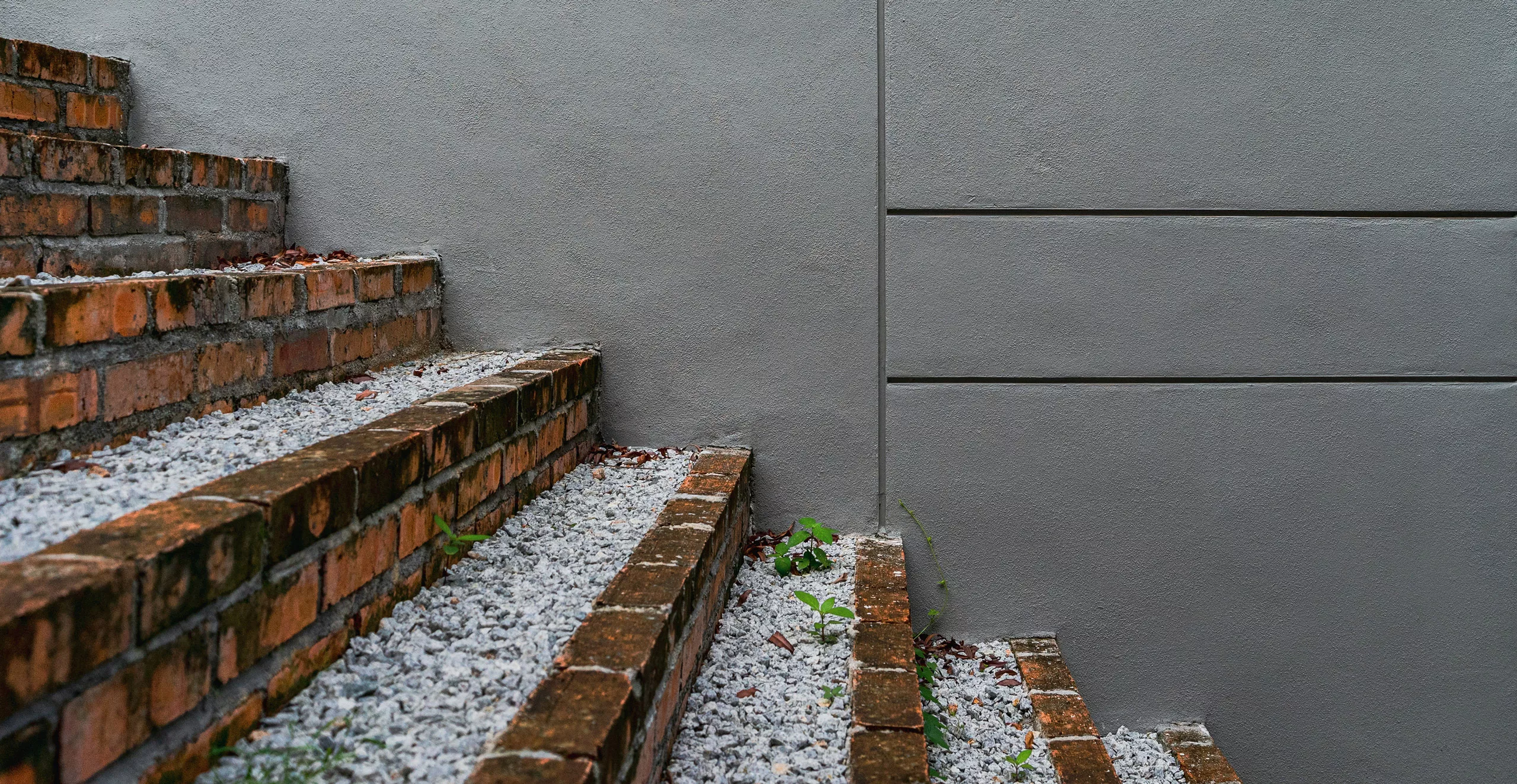
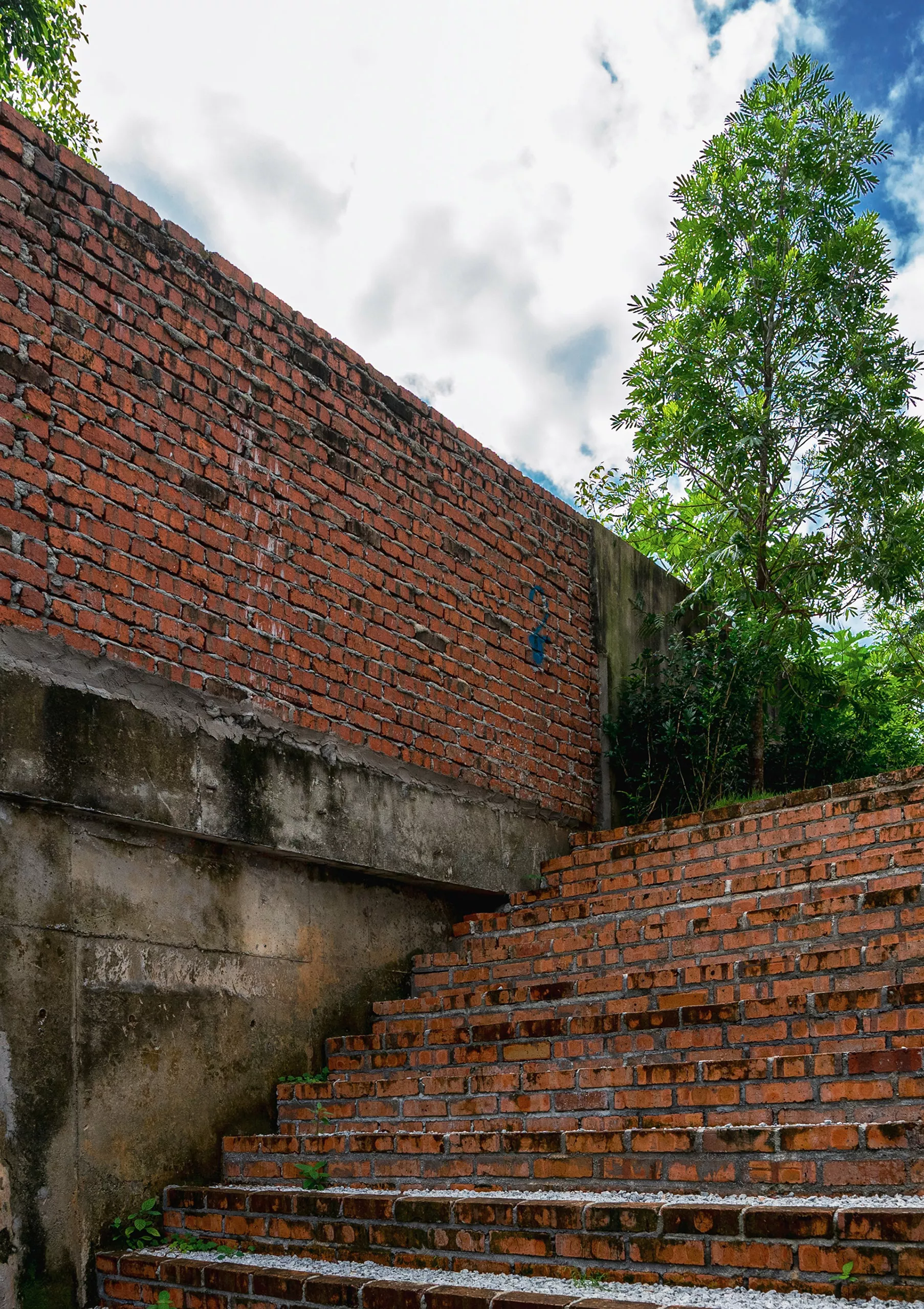
The WAO Shelter Home is an initiative focused on the reconstruction of a damaged 1960s residence into a safe, nurturing environment for rescued children. Following a lightning strike and subsequent fire, the existing structure had deteriorated significantly, requiring extensive rebuilding. The project adopts a regenerative approach that retains and repurposes elements of the original house, while introducing new architectural layers that support contemporary childcare needs.
ARCHITECTURE
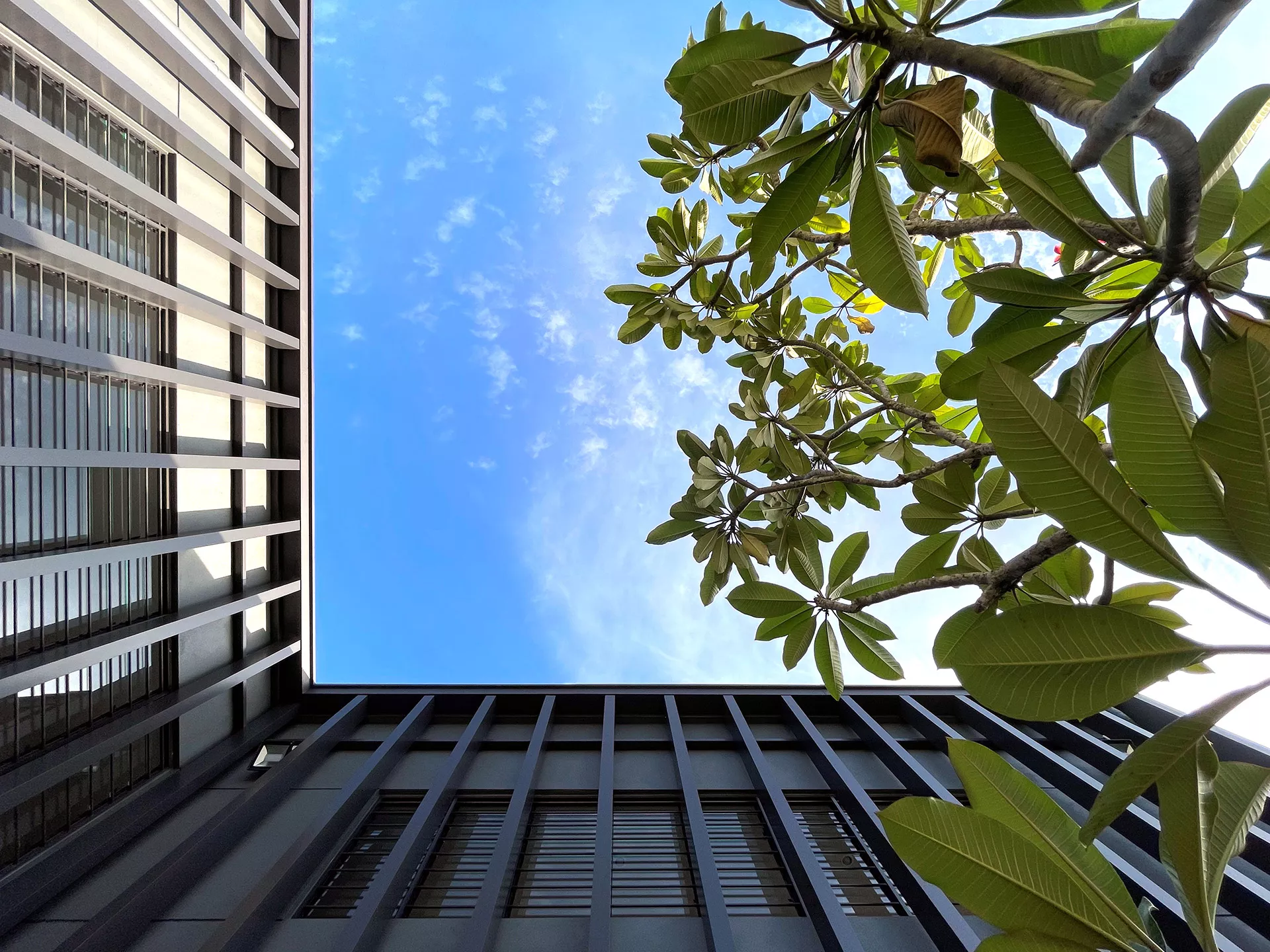
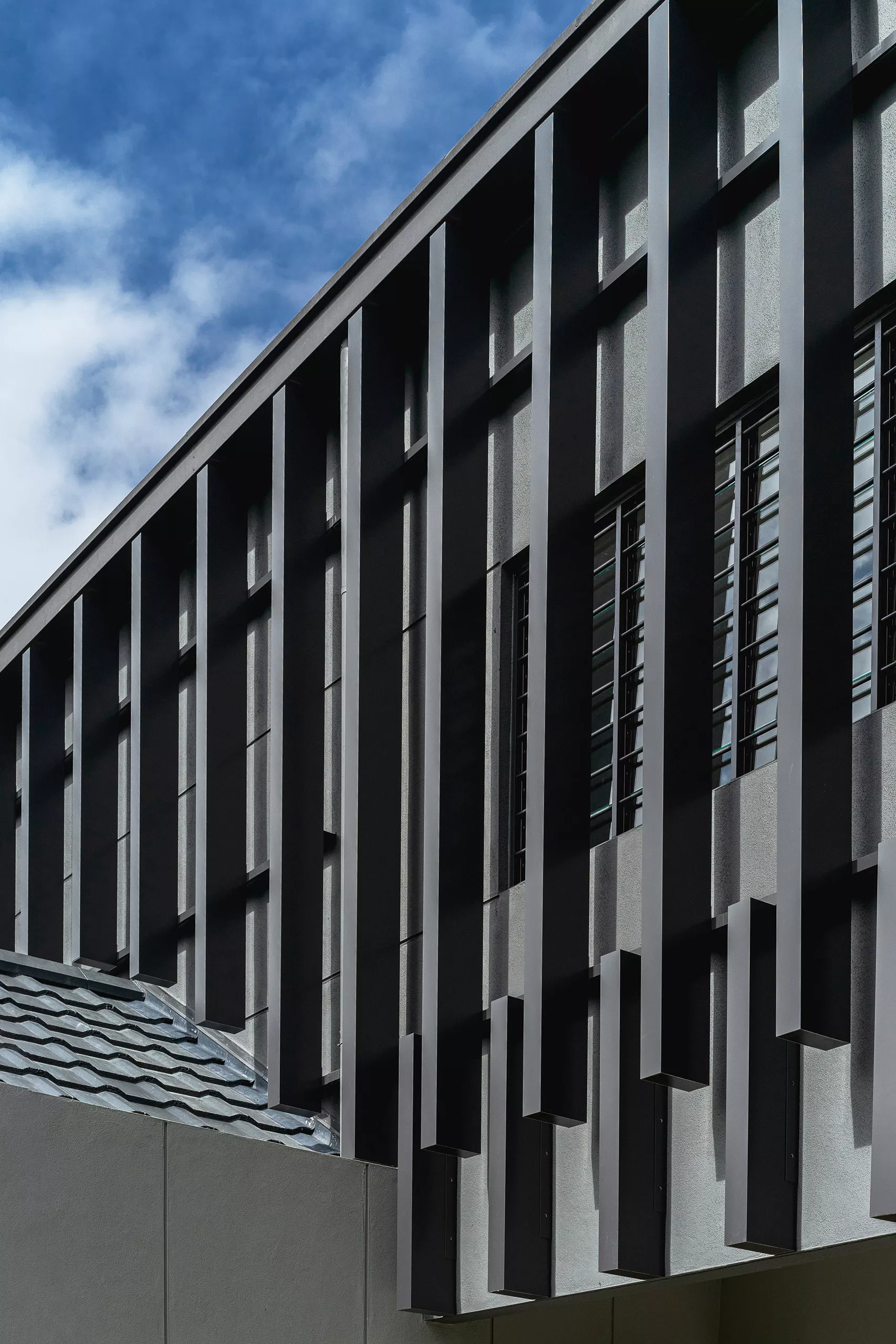
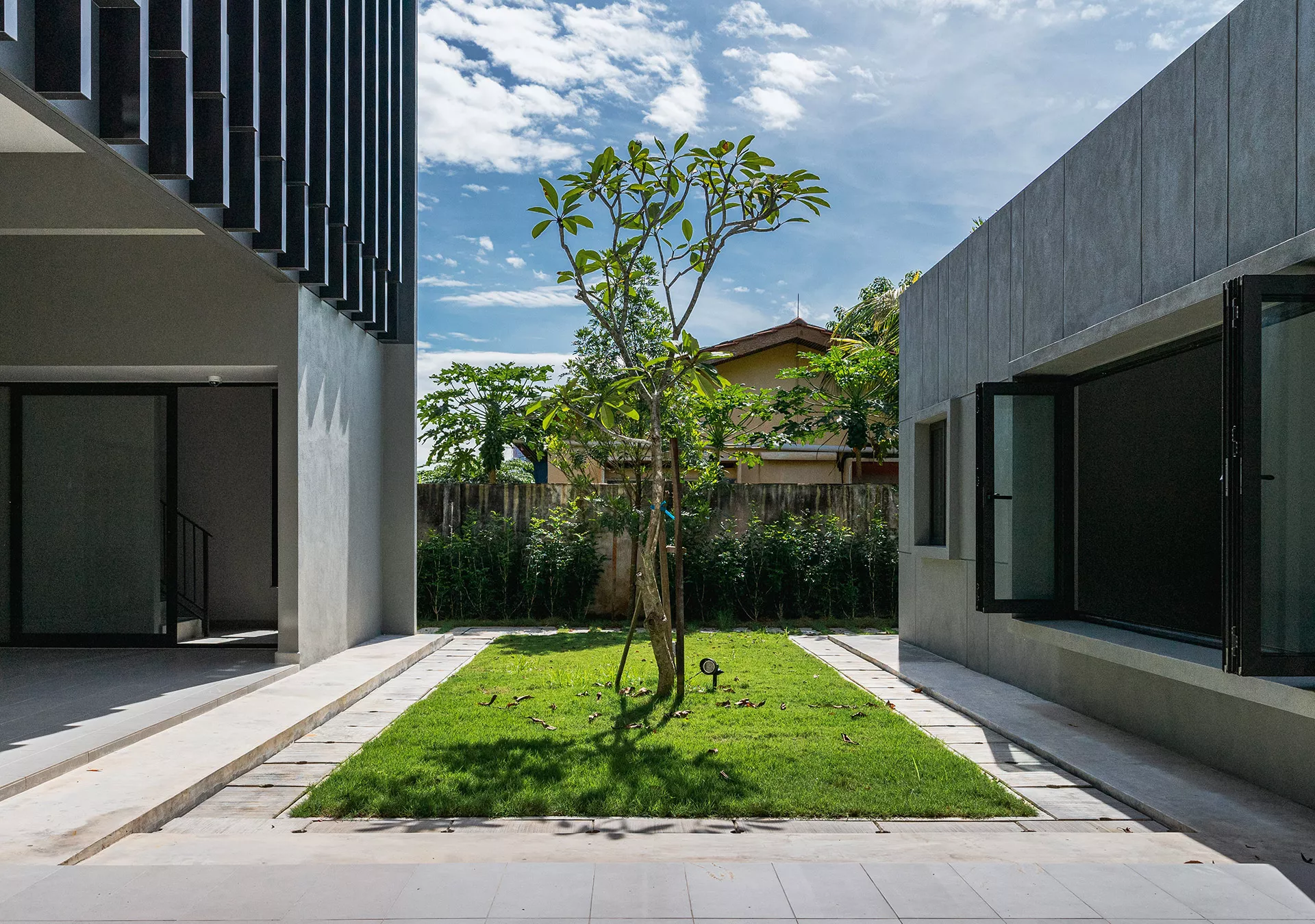
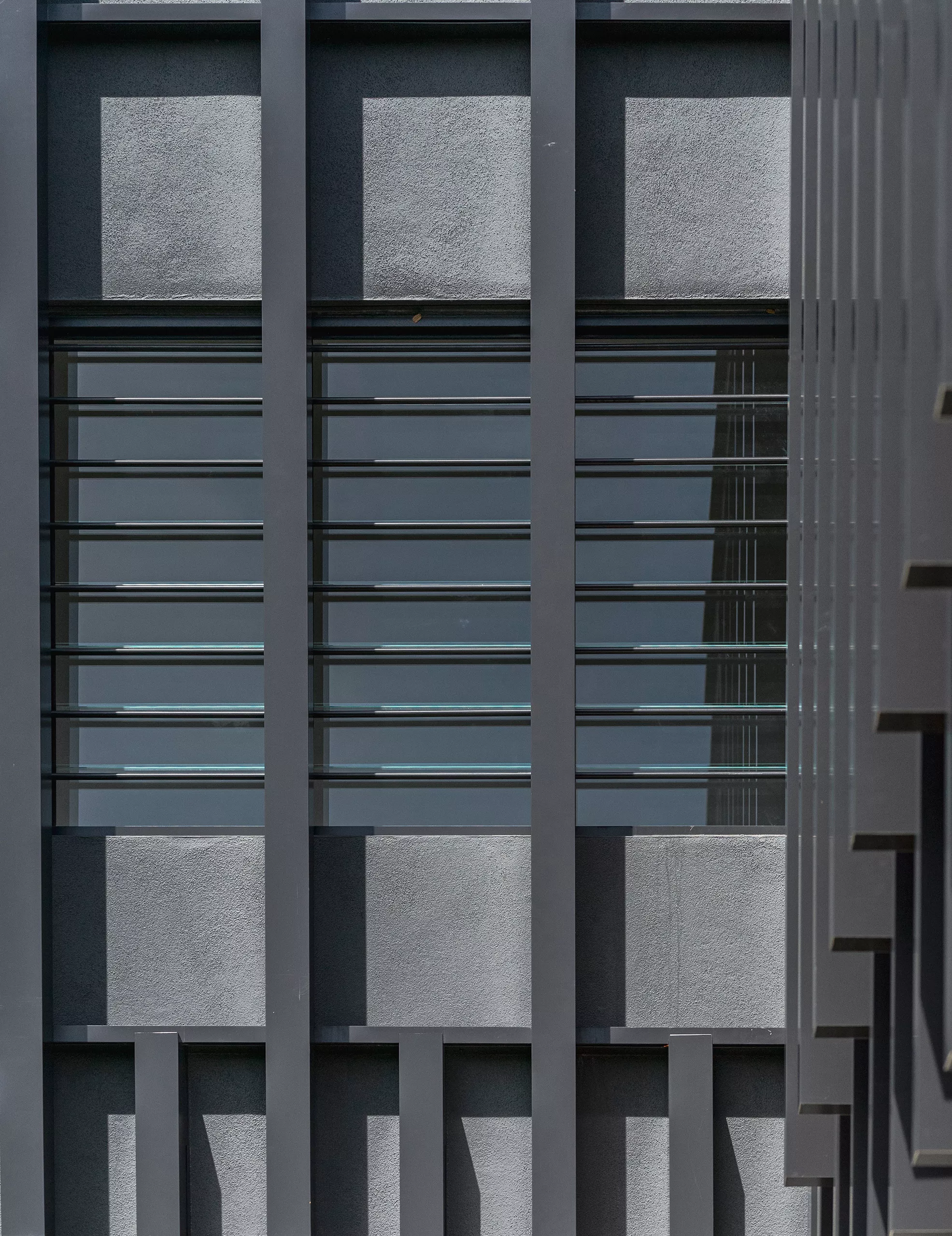
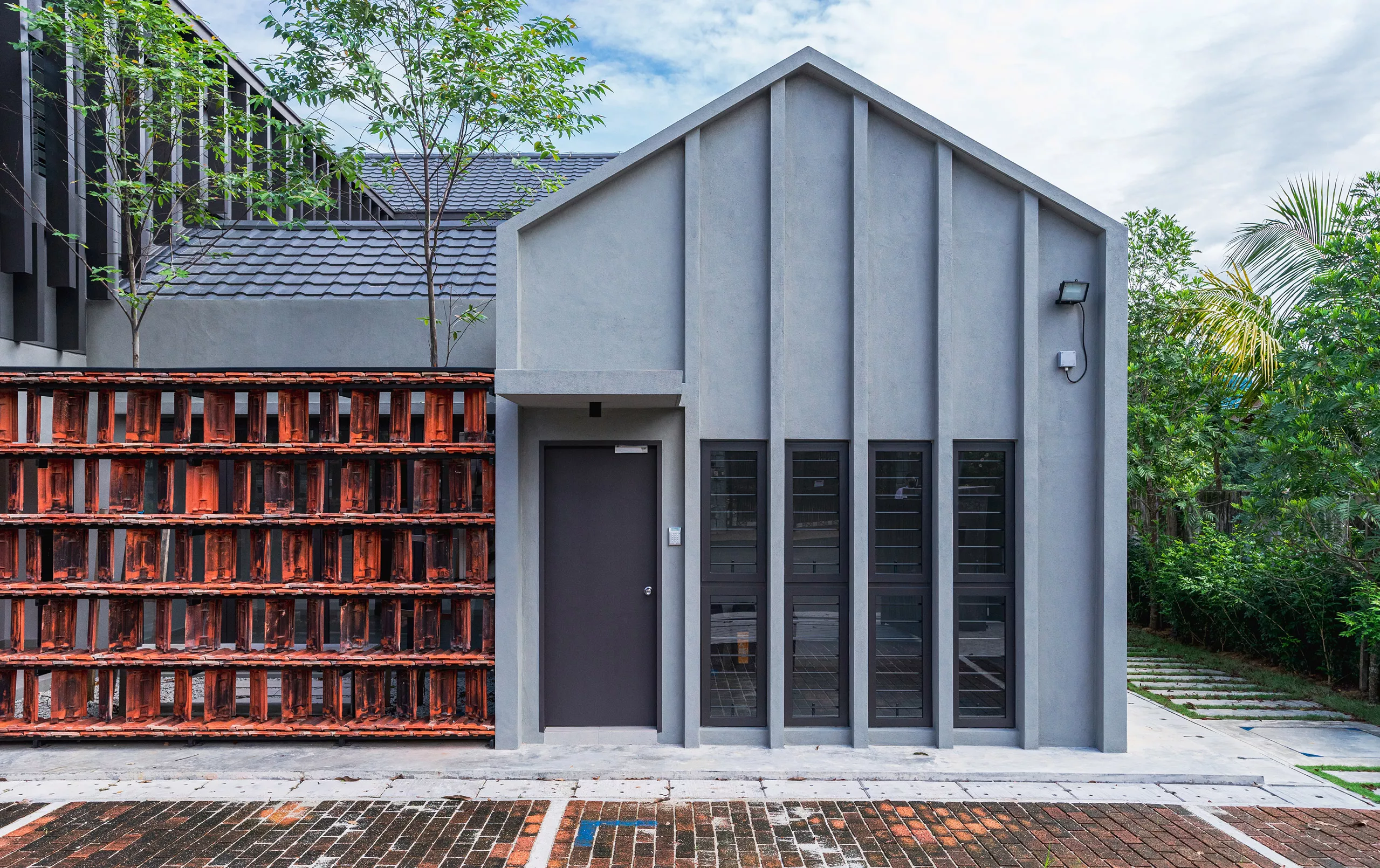
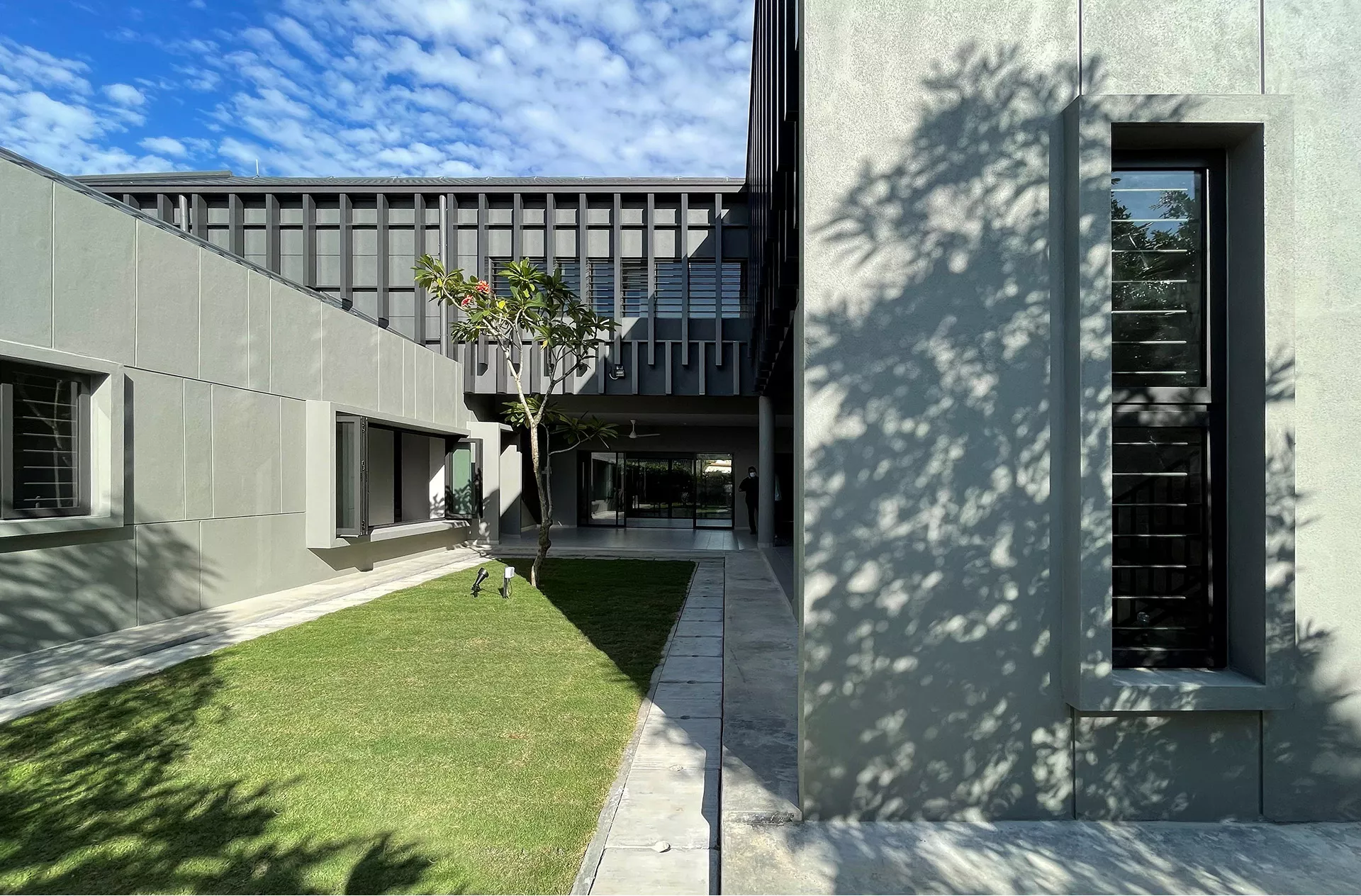
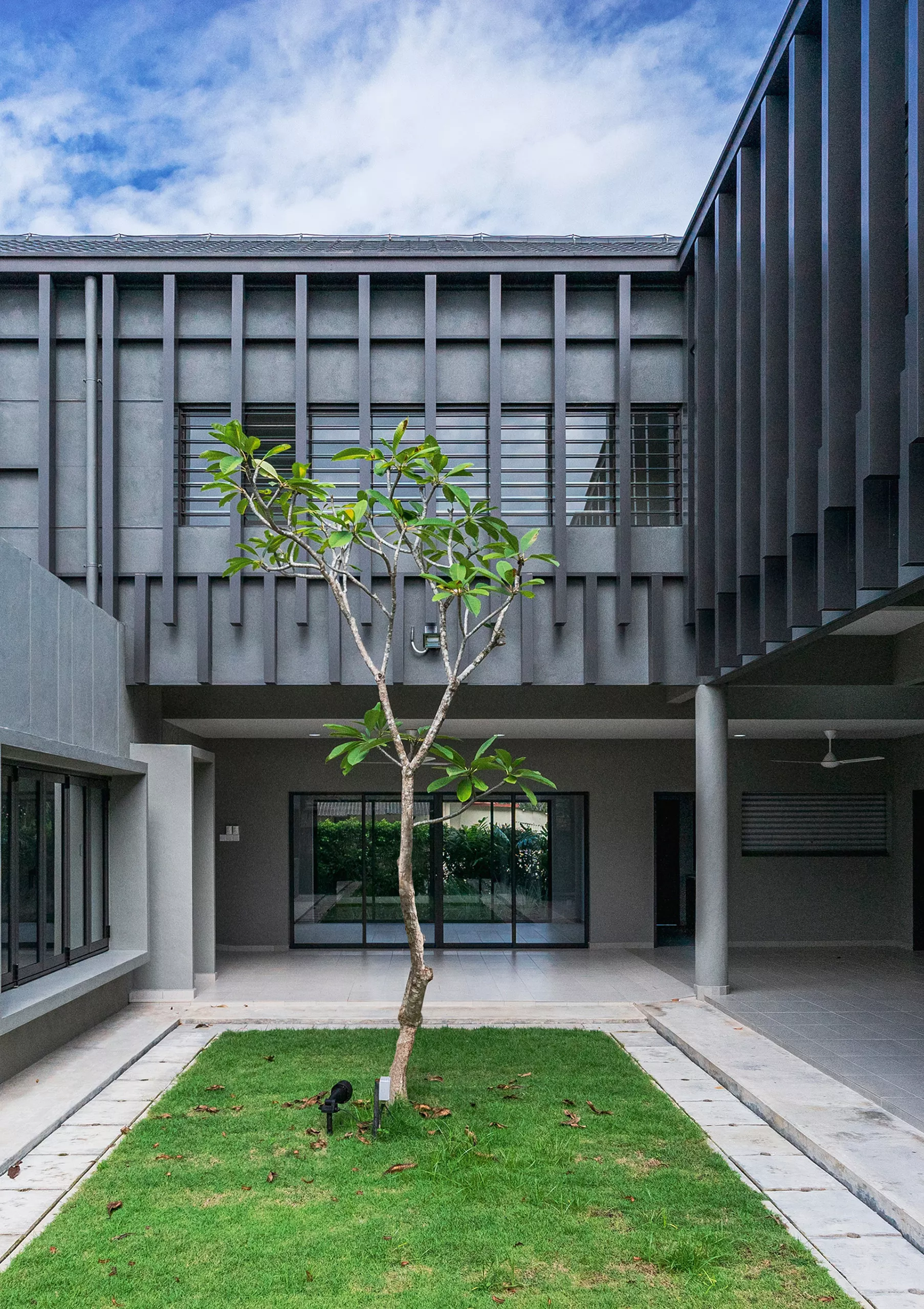
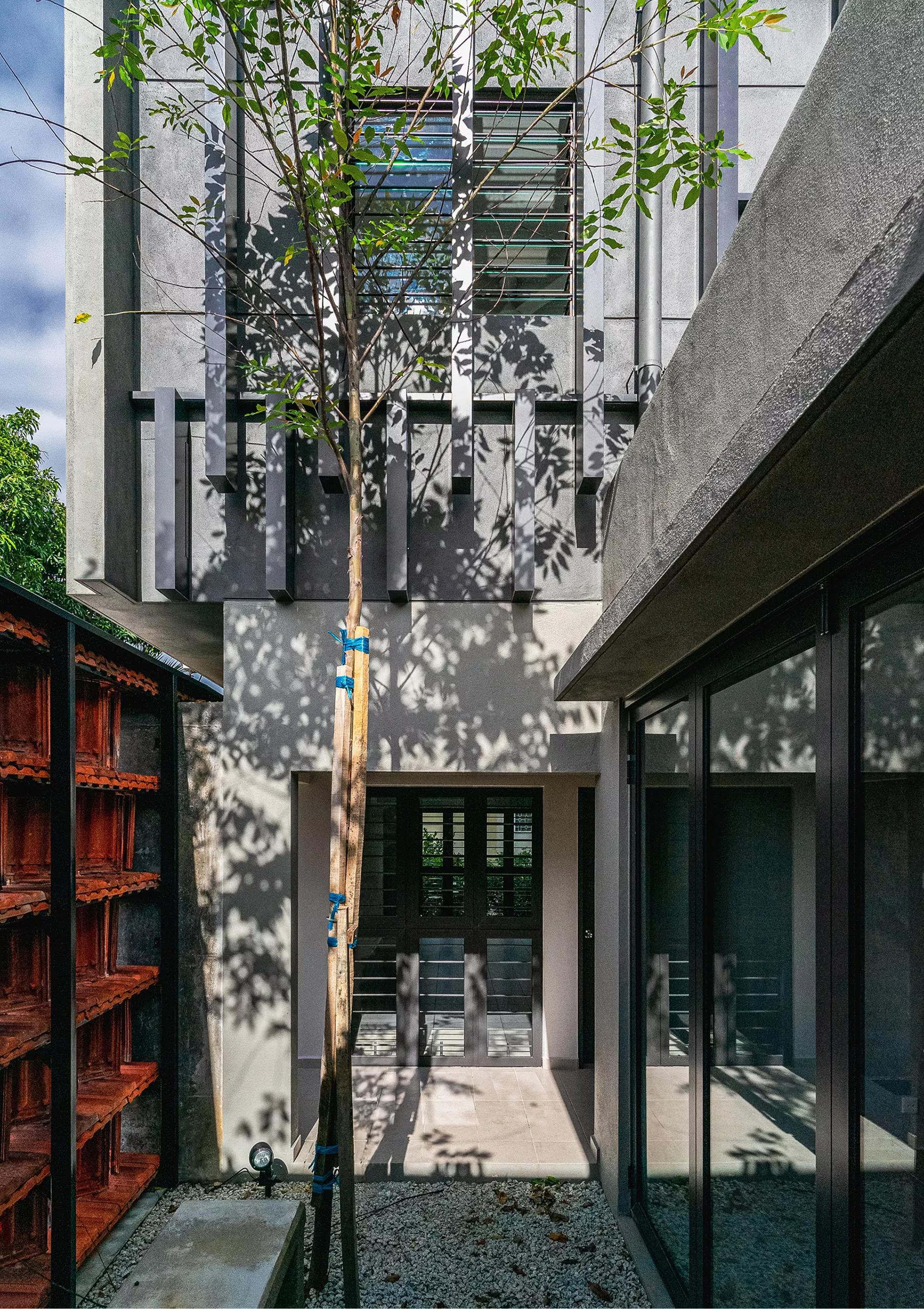
The design preserves portions of the original structure to house administrative functions, while new two-storey annexes accommodate residential zones. These components are organized around a shared central courtyard that acts as the social and environmental heart of the home. The planning prioritizes passive design principles, with building orientation optimized to maximize daylight while minimizing solar heat gain. Large openings at ground level are tempered through cross ventilation, convective airflow, and permeable screen walls, ensuring thermal comfort in a tropical climate.

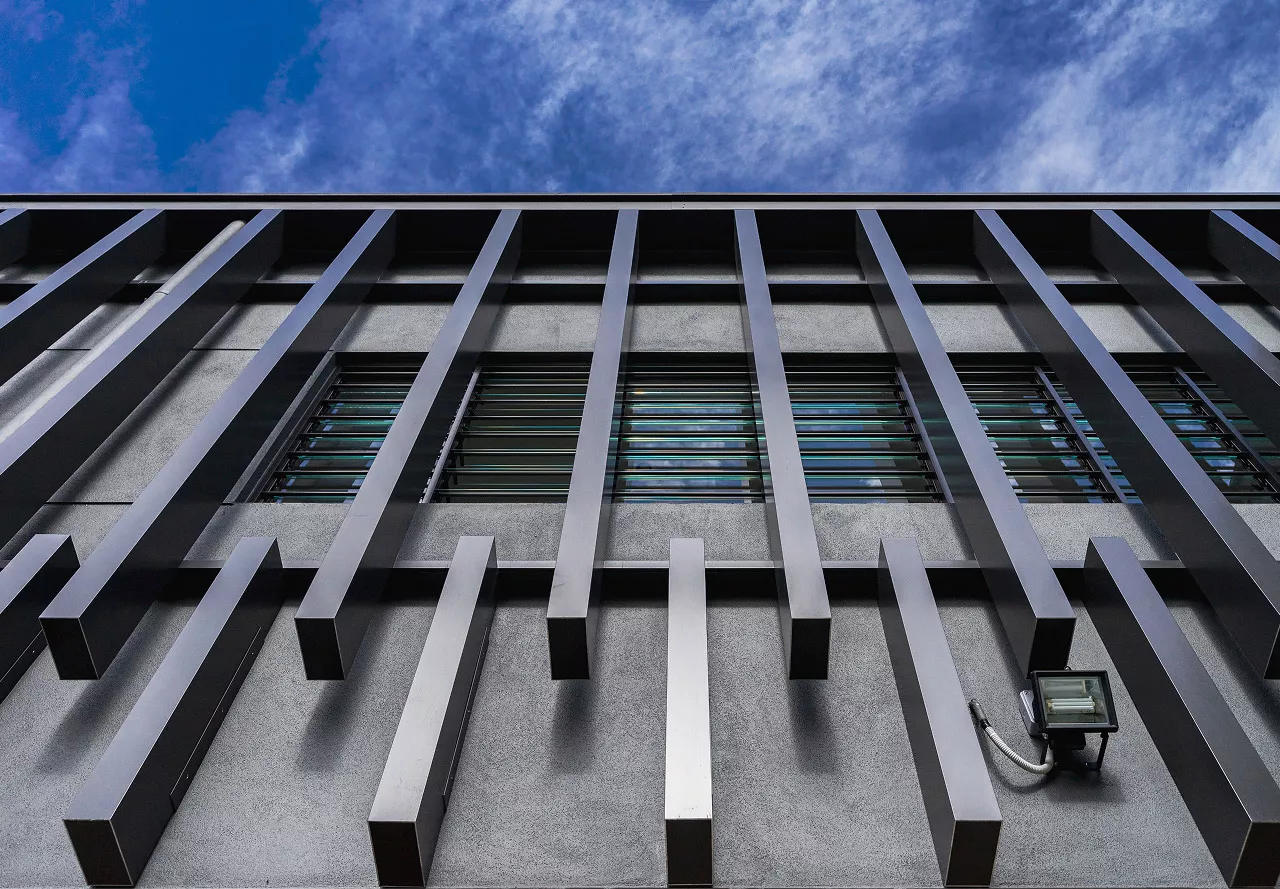
All spaces, including wet areas such as kitchens, bathrooms, and toilets, are naturally ventilated and daylit through operable windows and vent walls. This commitment to sustainable performance extends to the interior finishes. Low-VOC paints, environmentally friendly adhesives, and certified green-label materials, such as lightweight wall panels and mineral roof tiles, are chosen with occupant health and environmental responsibility in mind.
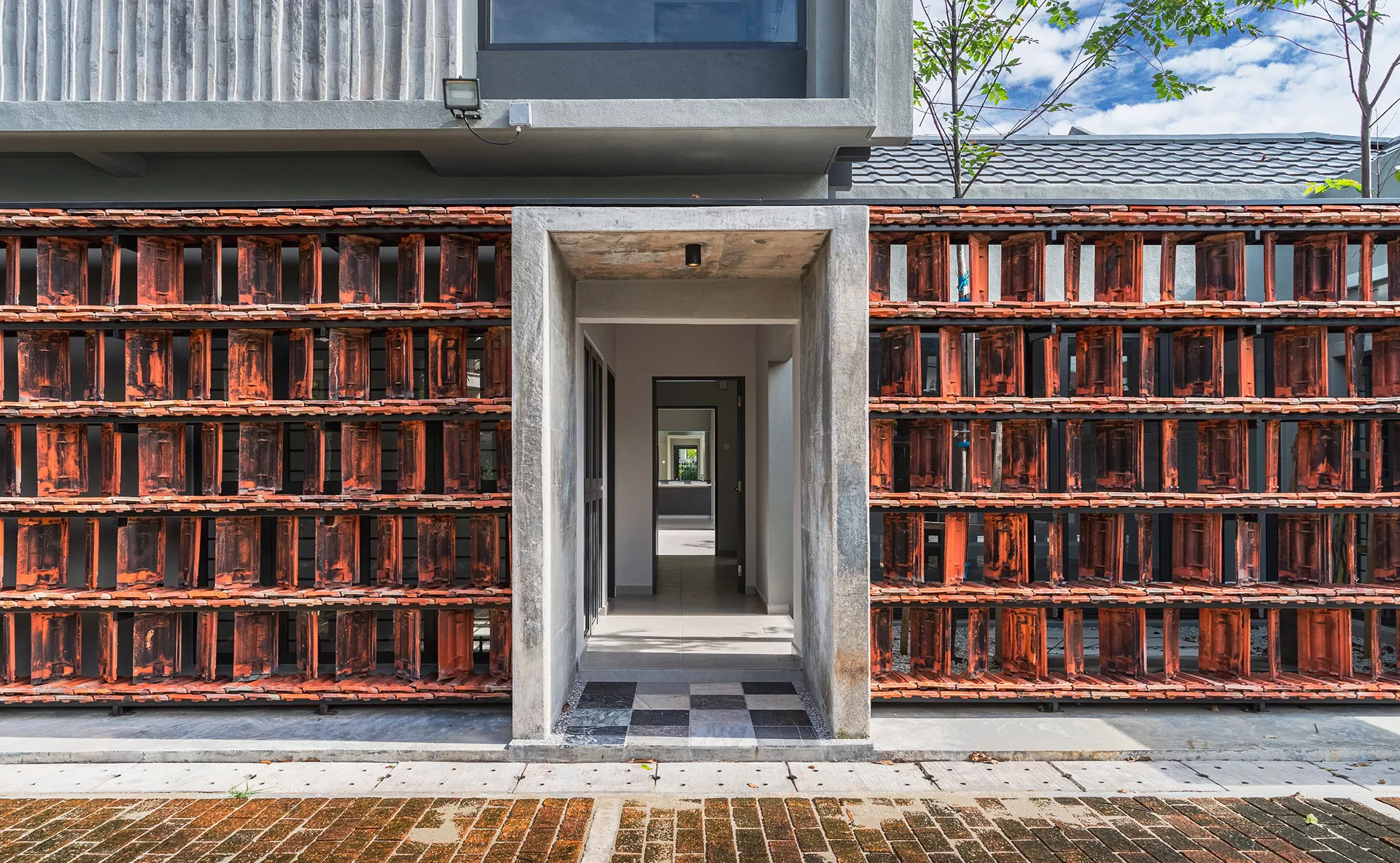
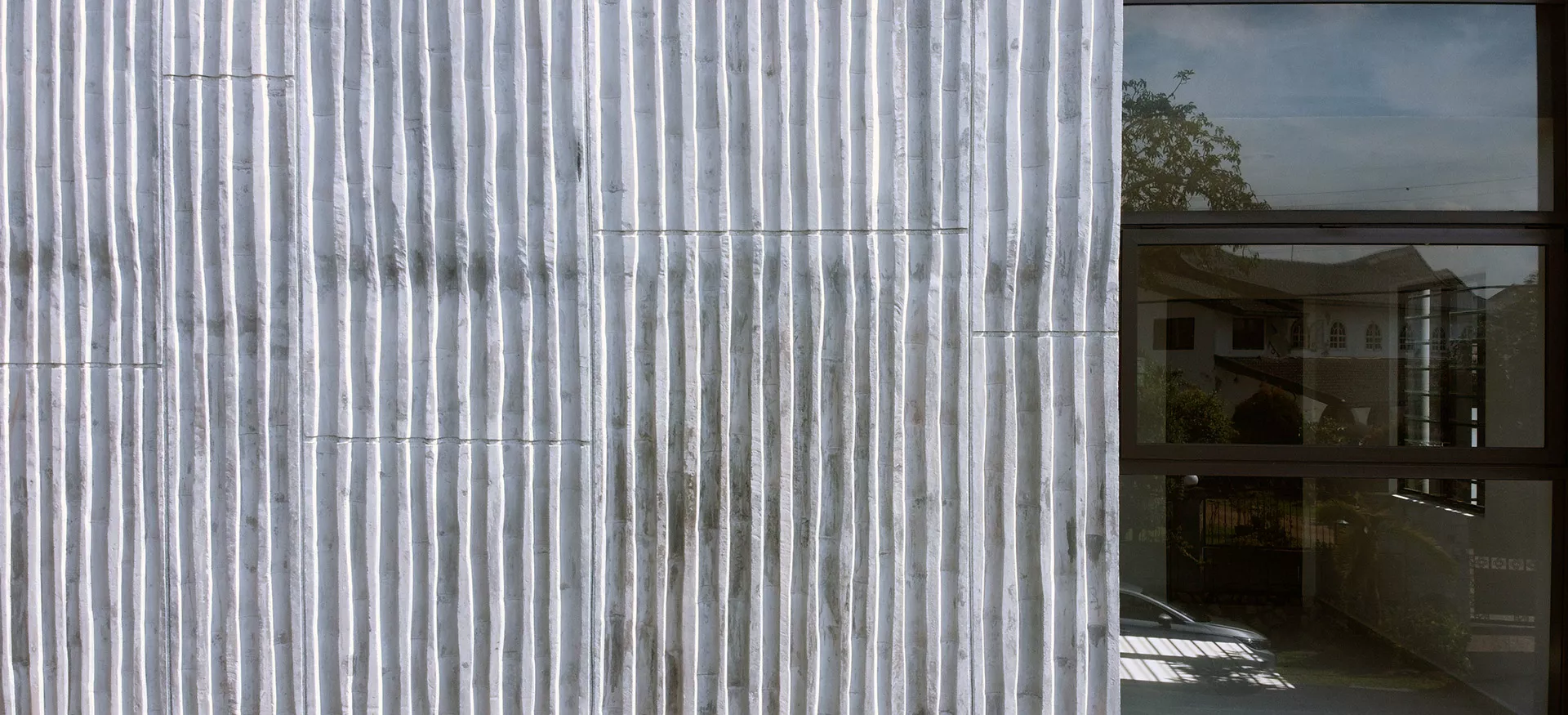
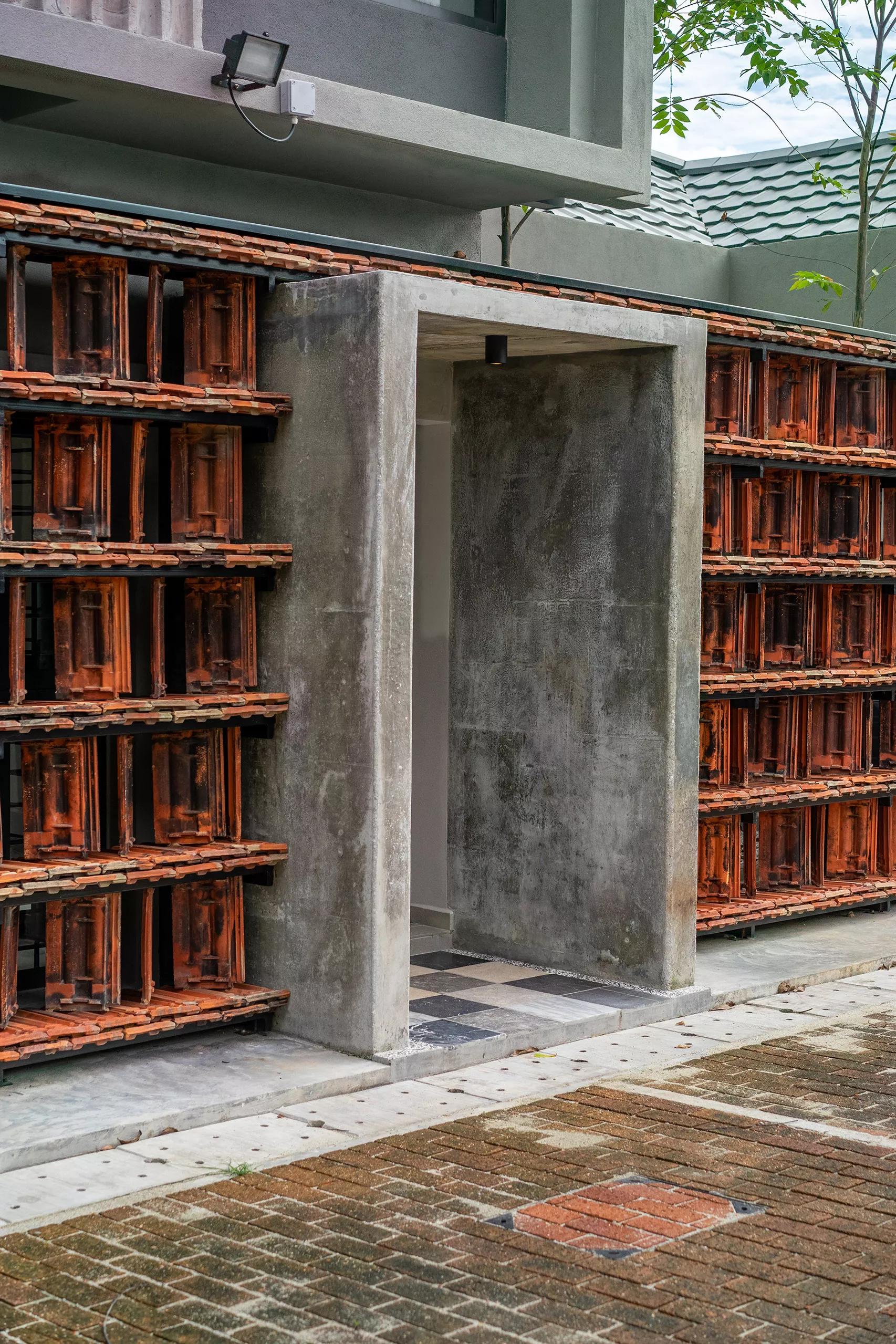
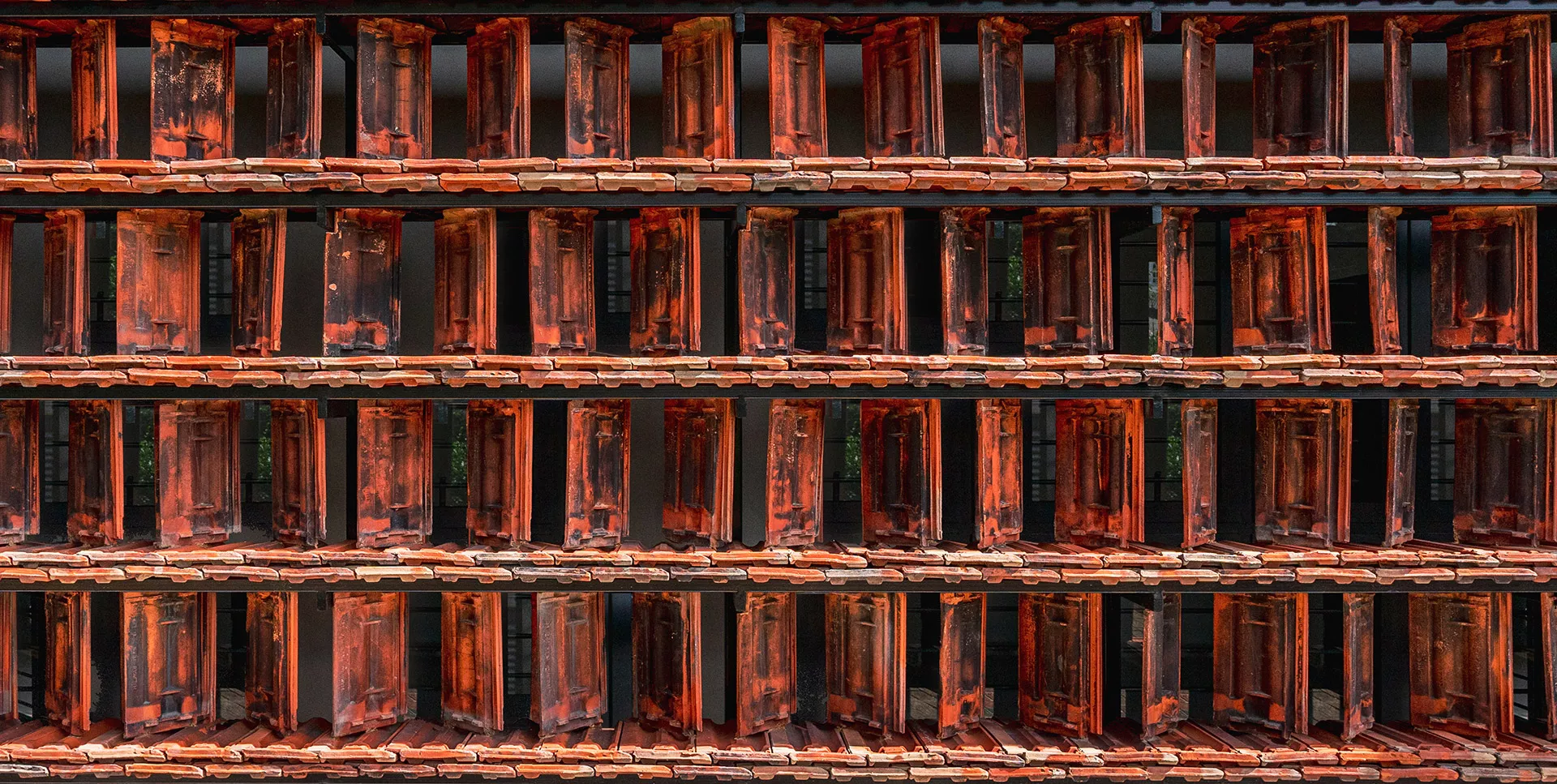
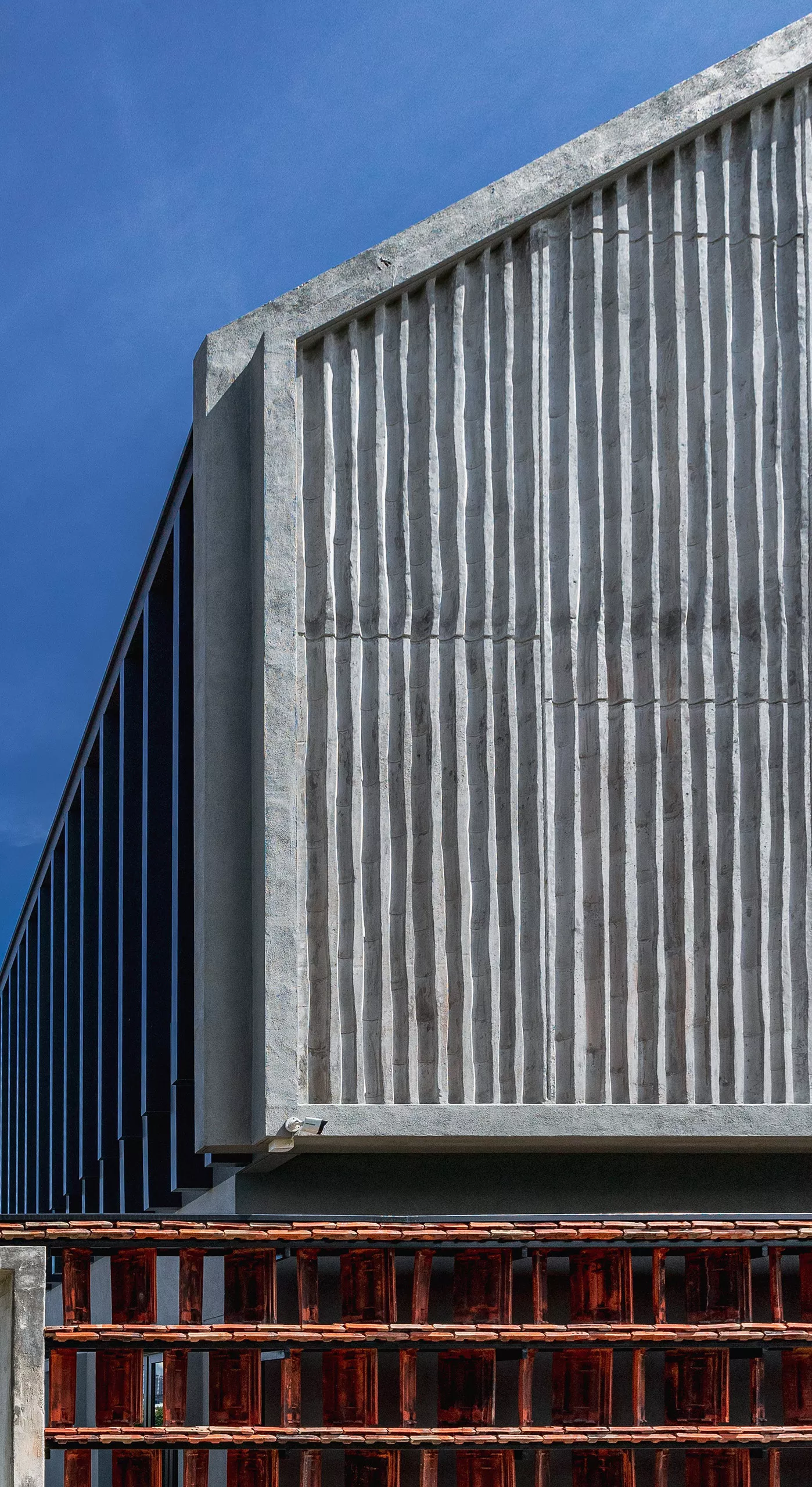
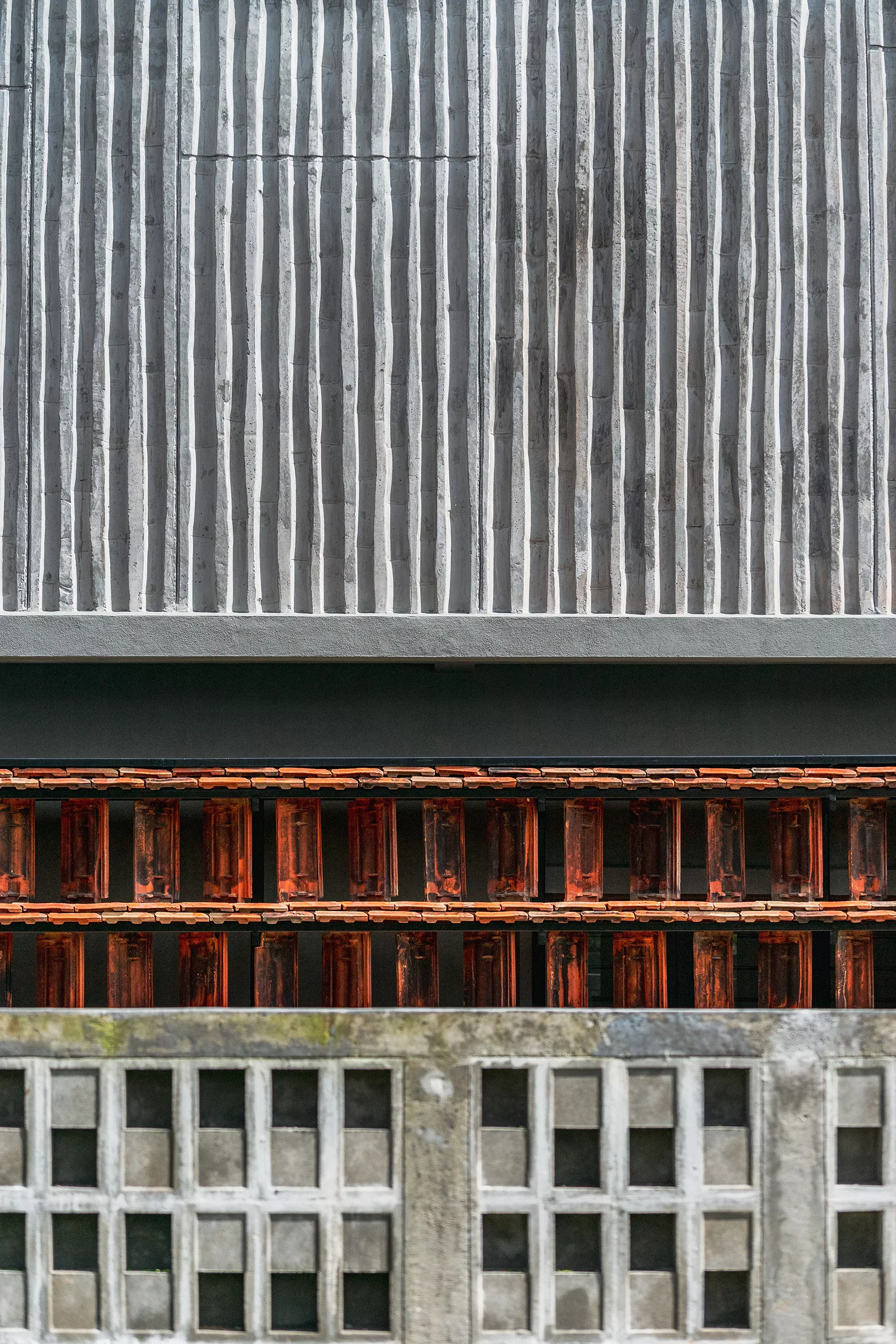
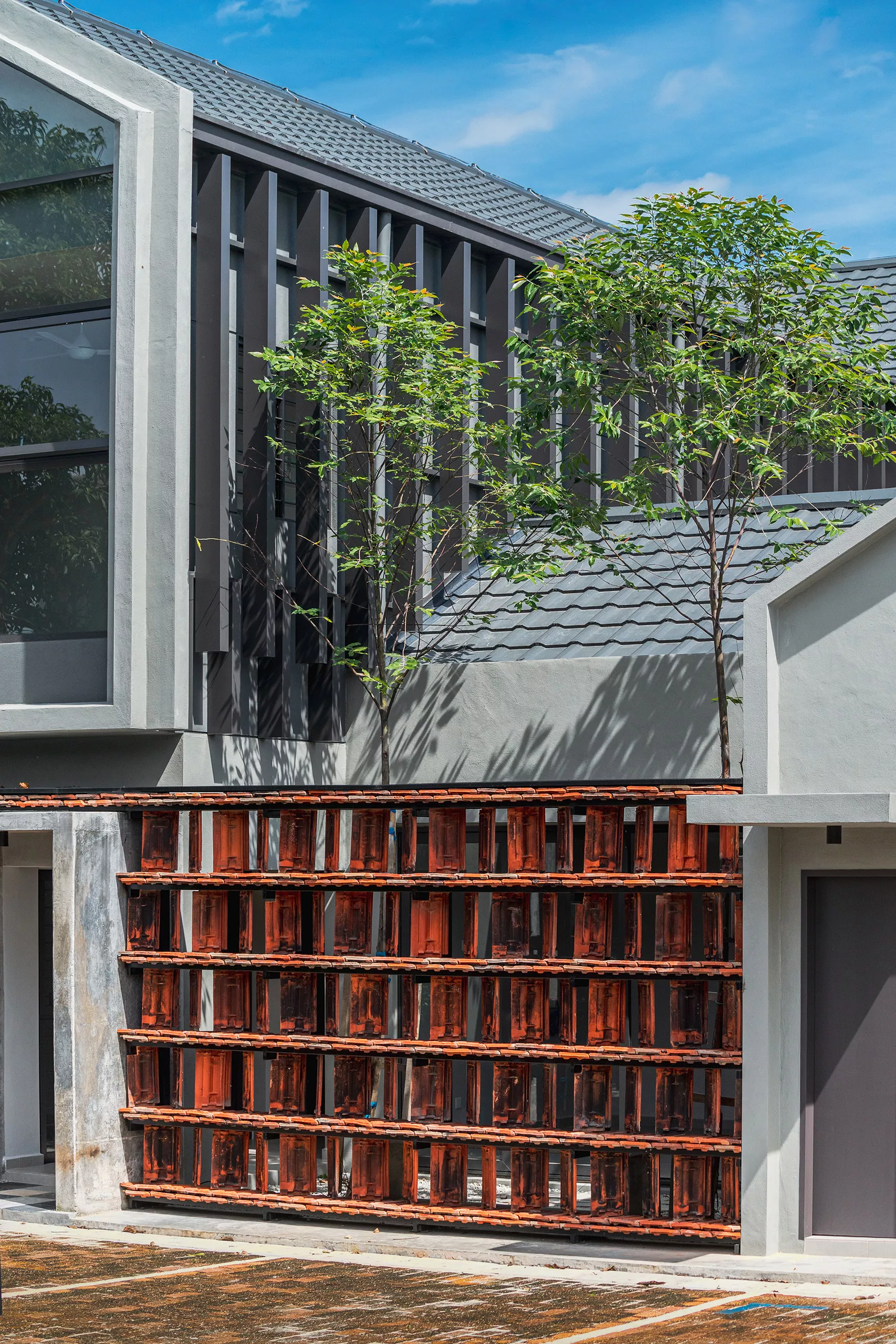
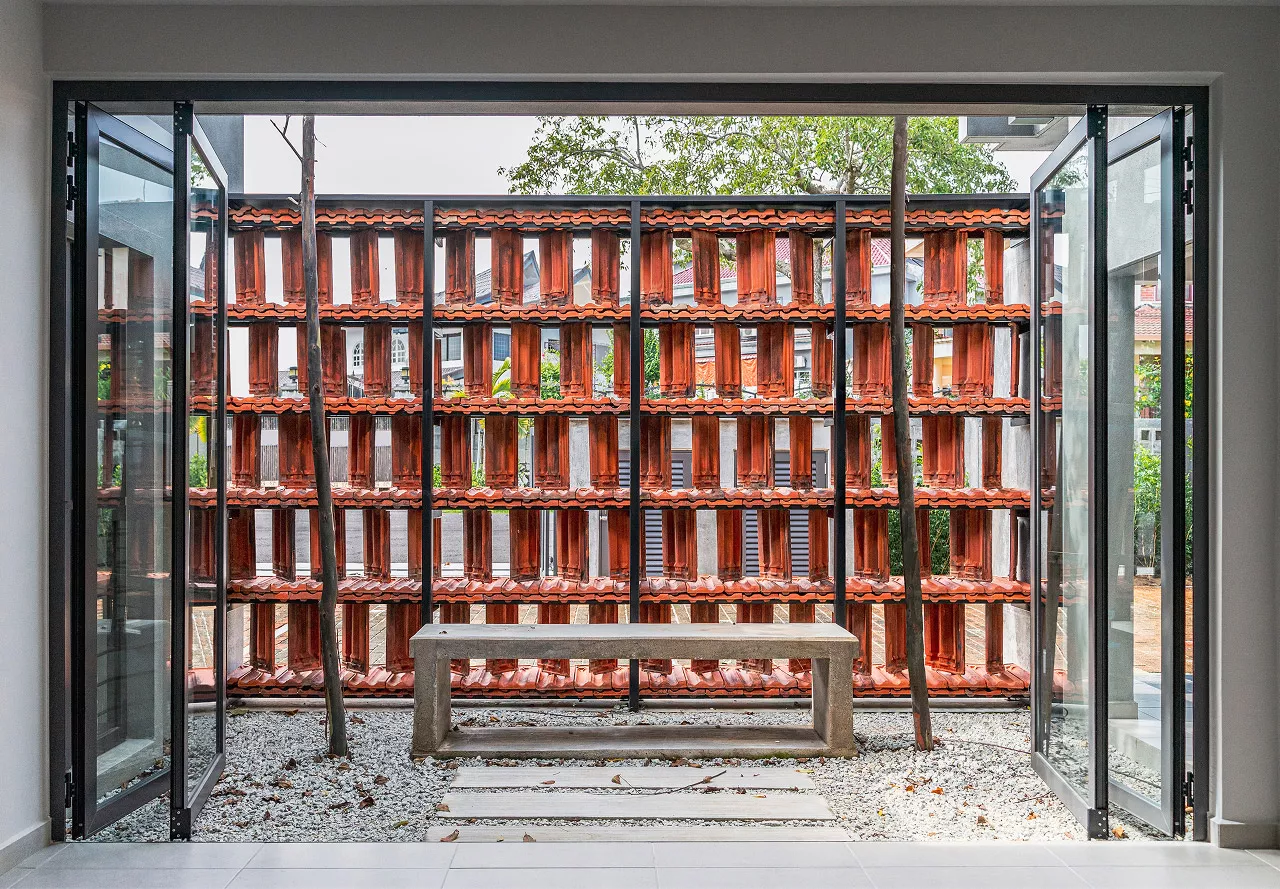
Working within a modest budget, the project embraces material reuse and upcycling as a purposeful design ethic. Rejected porcelain tiles, sample marble slabs, surplus sanitary fittings, and salvaged burnt roof tiles are reintroduced throughout the building. For example, the salvaged roof tiles are upcycled into a distinctive interior screen wall that provides both protection and symbolism.

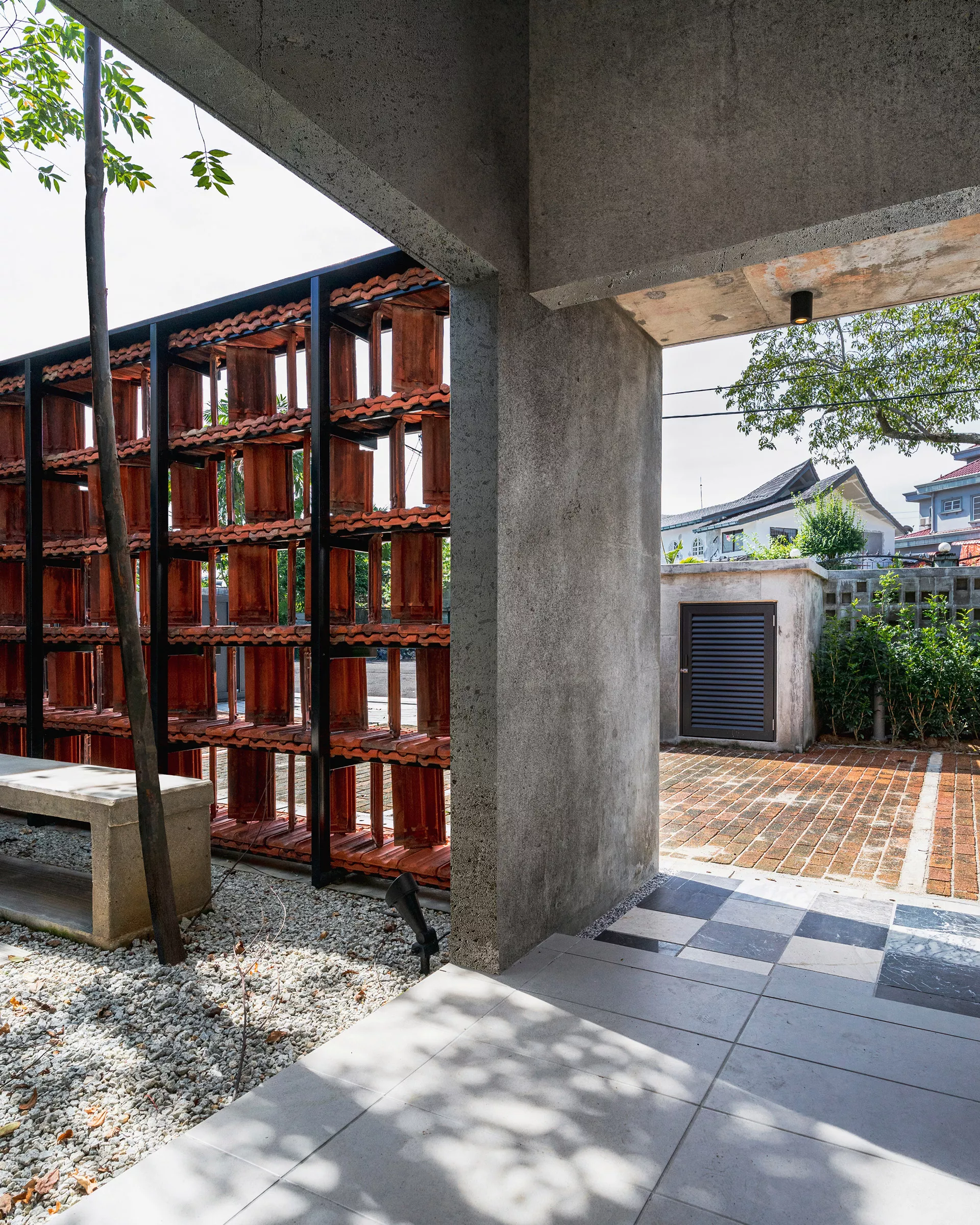
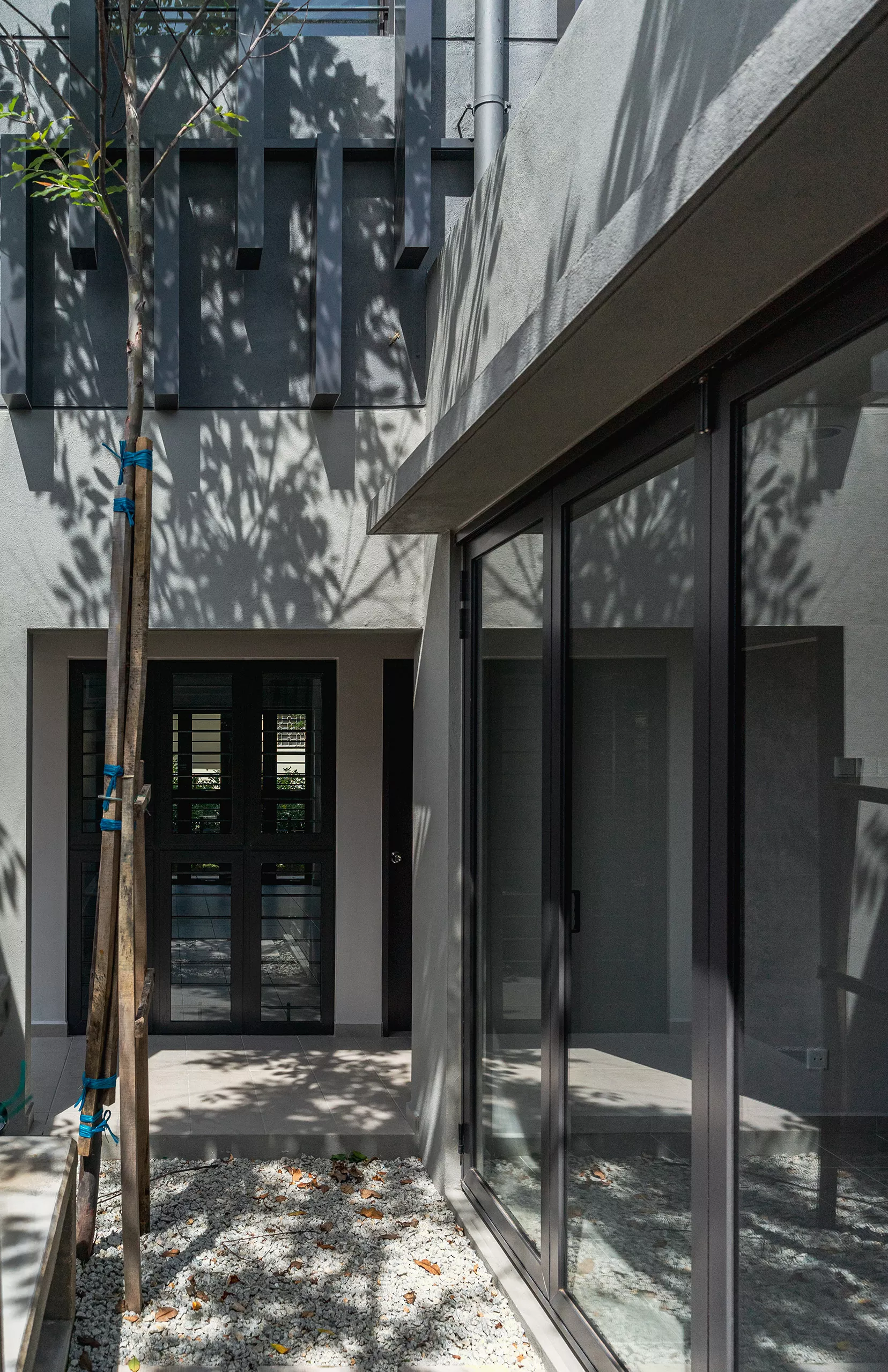
Courtyards and residual spaces function as breathing pockets. Planting and hardscape are deployed with intention rather than decoration, framing views, filtering light, and introducing moments of pause within the spatial journey. A restrained palette of tropical planting reinforces continuity and calm, while simple, tactile hardscape materials are allowed to weather over time.
Completed after a six-year journey and despite significant disruptions during the pandemic, the new 2 1⁄2-storey shelter stands as a quiet yet powerful expression of recovery and regeneration.
Awards
2023
American Institute of Architects (AIA) Award
Winner – Inclusive Design Excellence
2023
American Institute of Architects (AIA) Award
Winner – Honor
2022
Pertubuhan Akitek Malaysia (PAM) Award
Silver – Adaptive Reuse
2022
Pertubuhan Akitek Malaysia (PAM) Award
Commendation – Sustainable Development Goals
Learn About Our Projects
East Coast Rail Link (ECRL) Stations
East Coast Rail Link (ECRL) Stations
International School of Kuala Lumpur (ISKL)
International School of Kuala Lumpur (ISKL)
Trisakti Nagrak Campus Competition
Trisakti Nagrak Campus Competition
Kuala Lumpur–Singapore High Speed Rail (HSR)
Kuala Lumpur–Singapore High Speed Rail (HSR)
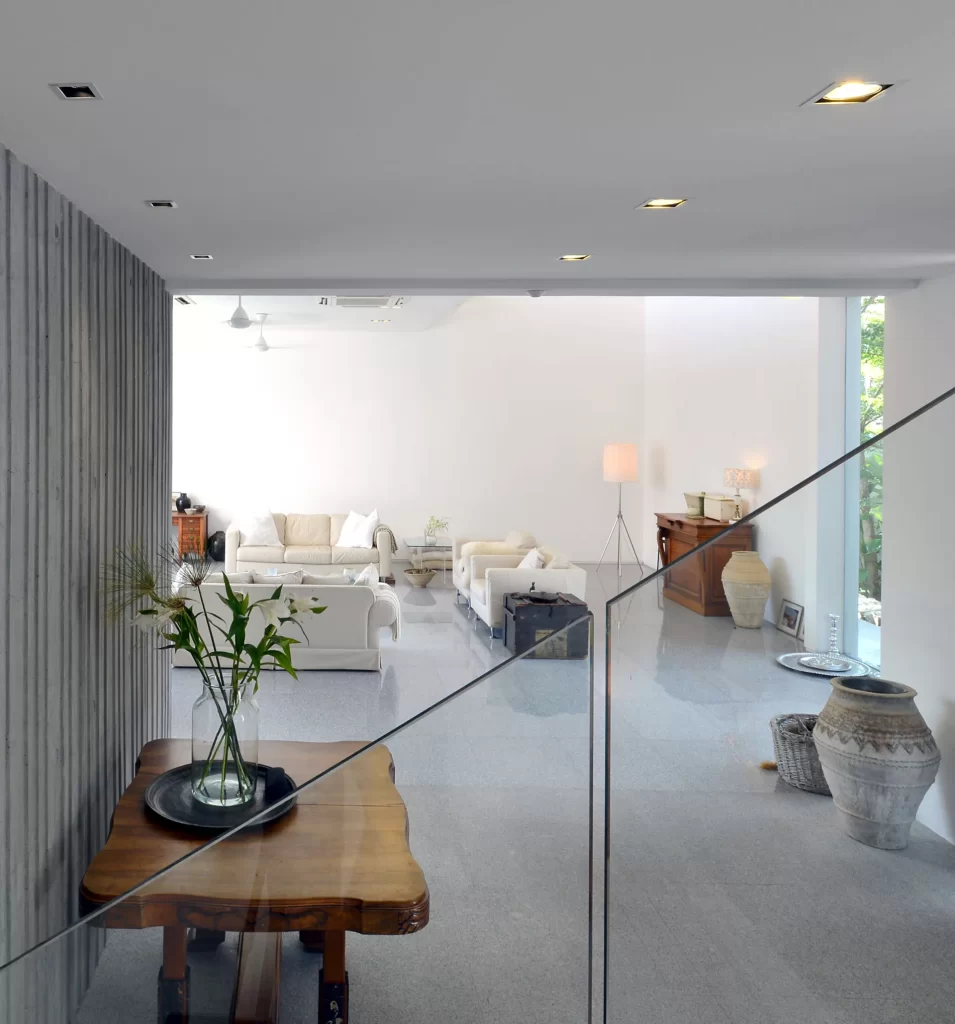
Bruas House
Bruas House
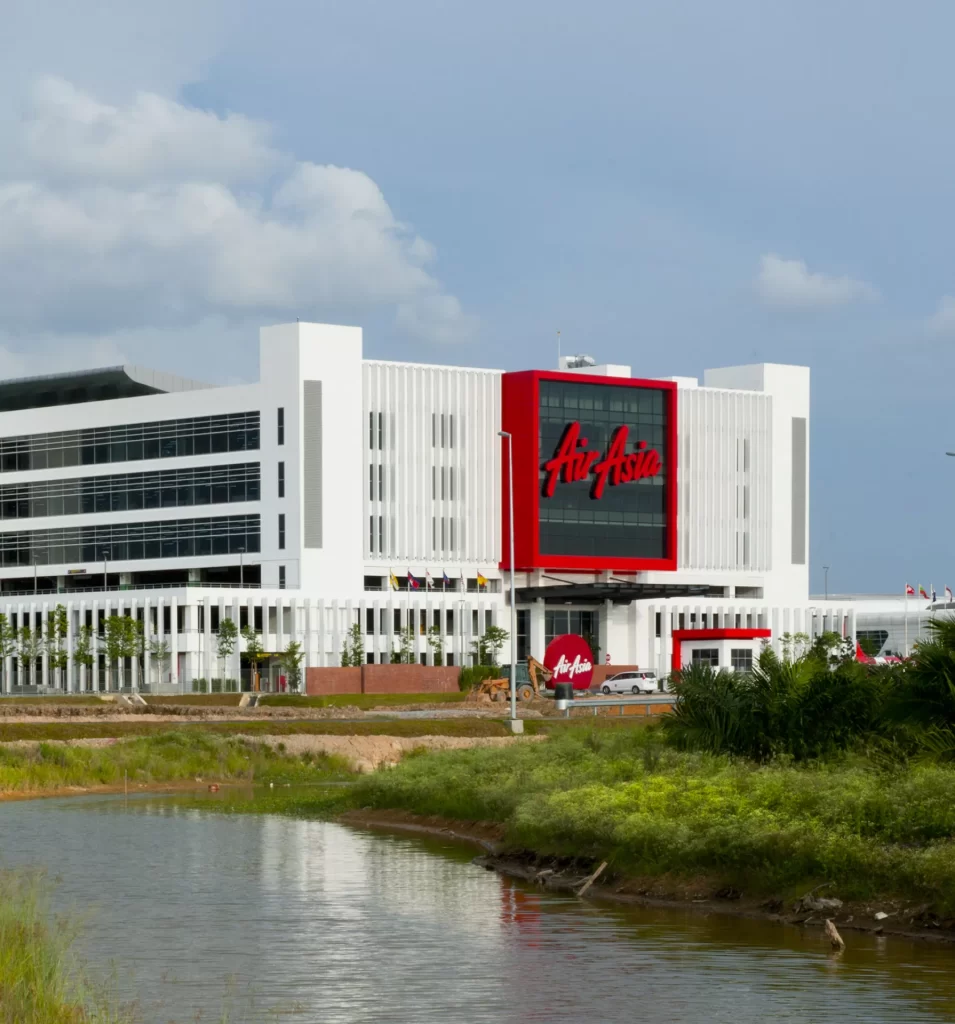
AirAsia RedQ
AirAsia RedQ
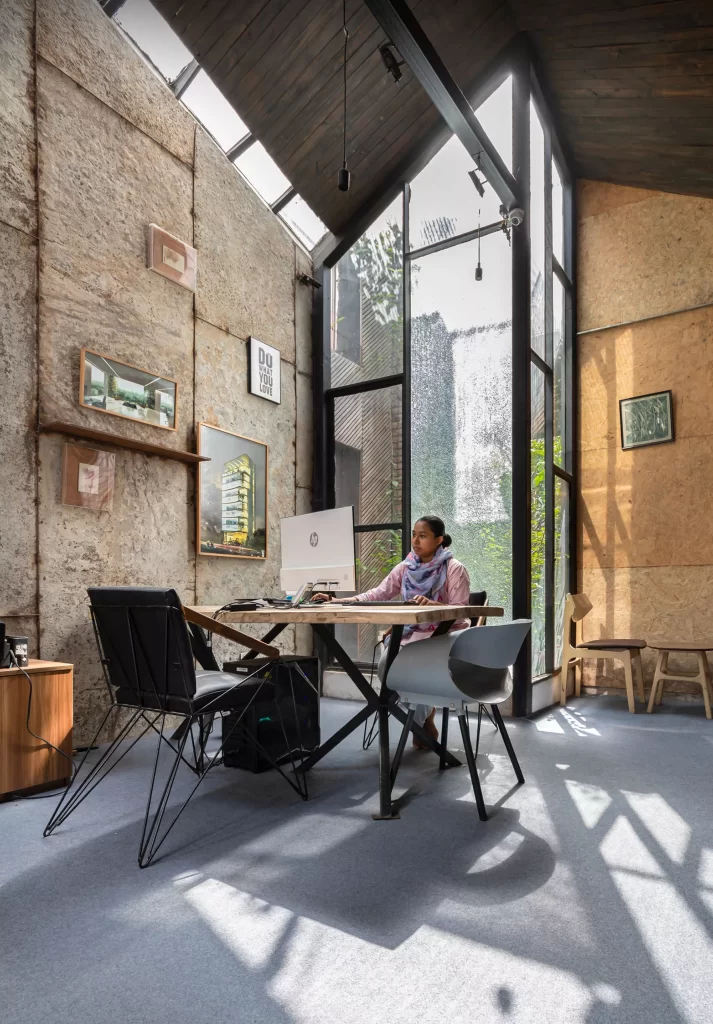
AMUR Studio
AMUR Studio
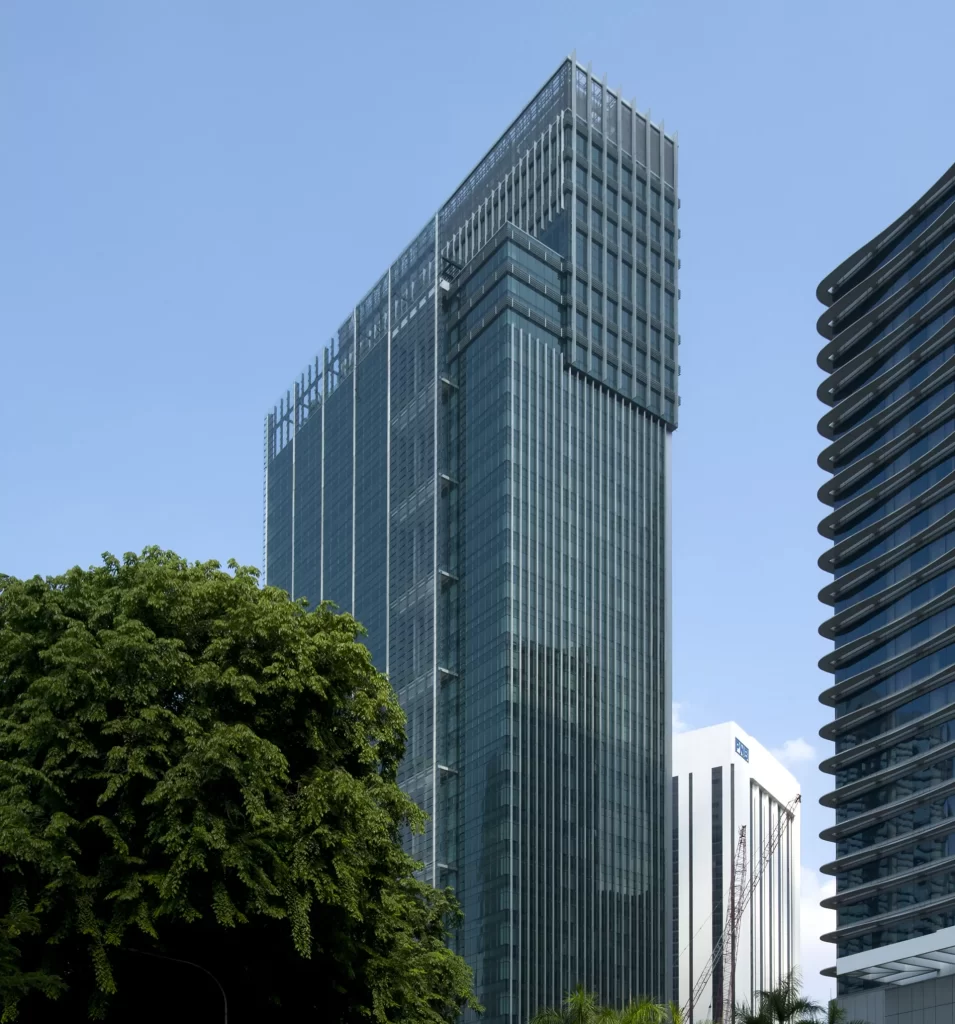
Menara Binjai
Menara Binjai
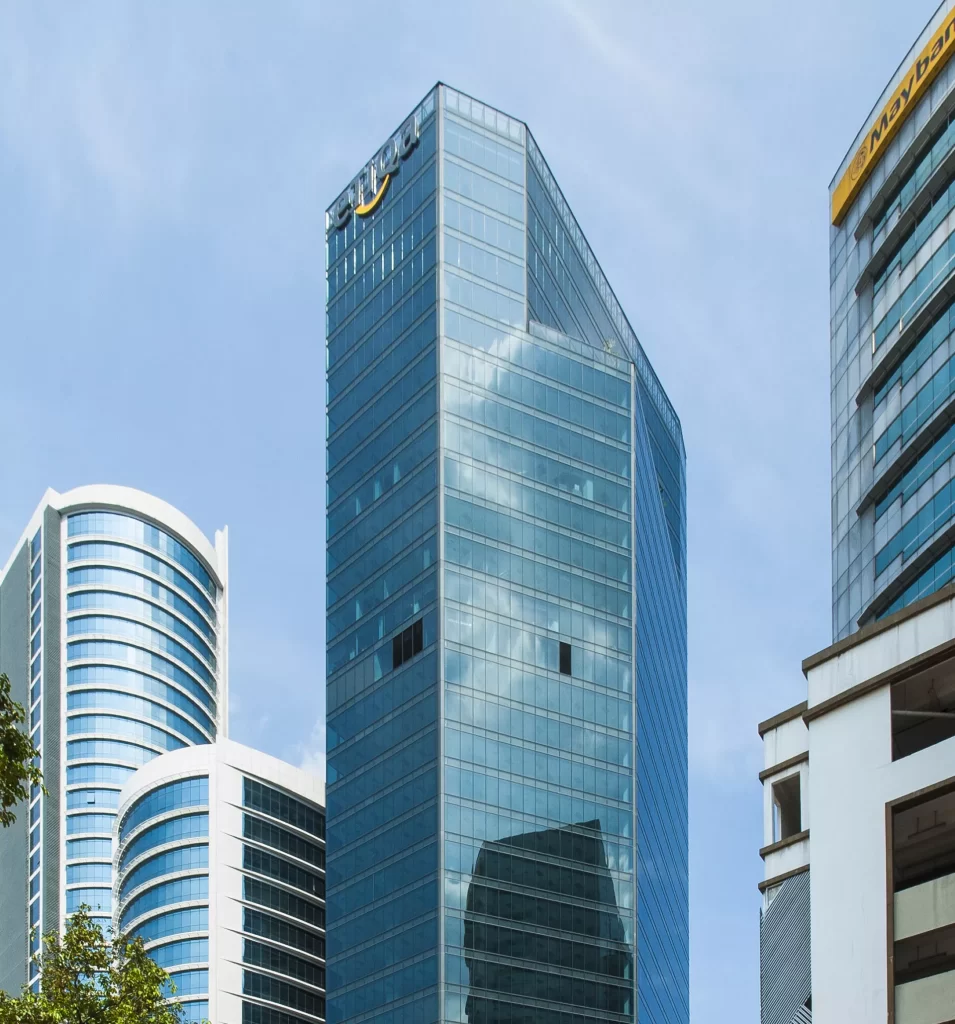
Menara Etiqa
Menara Etiqa
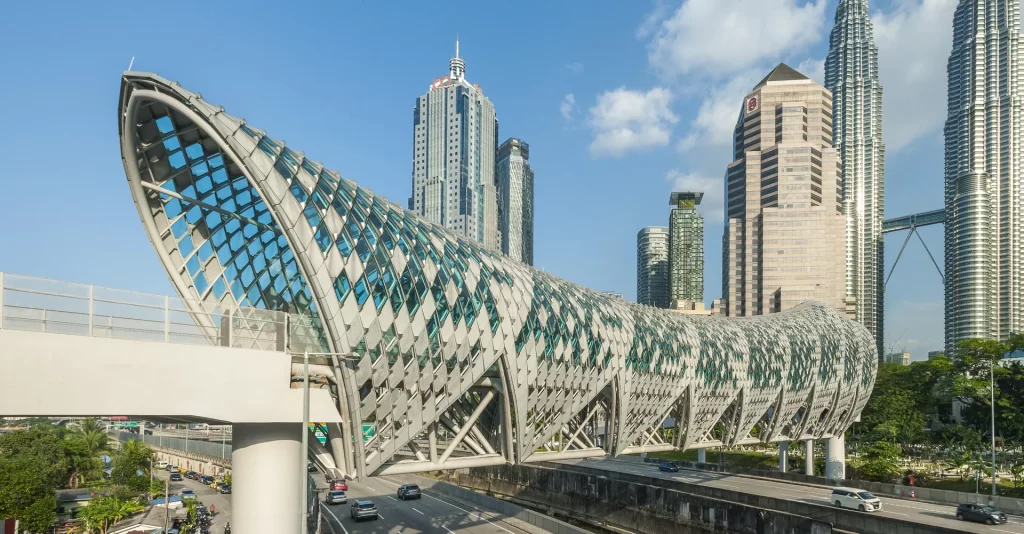
Saloma Link
Saloma Link
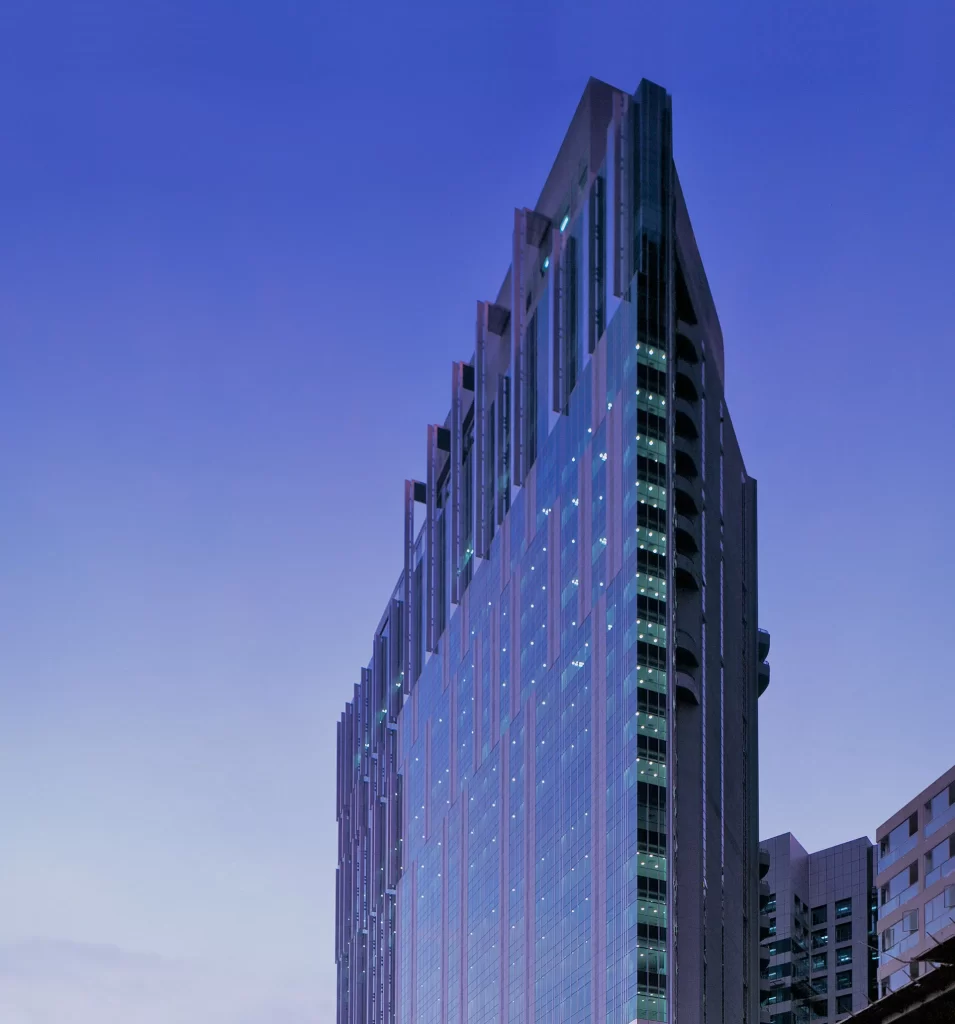
1 Sentral
1 Sentral
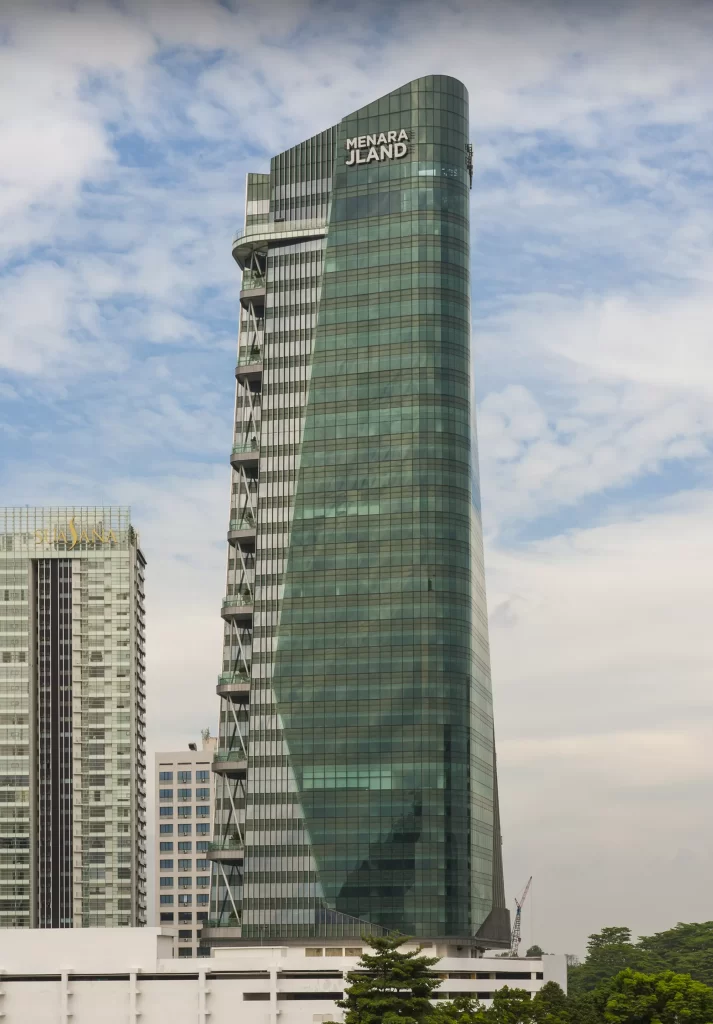
Menara JLand
Menara JLand
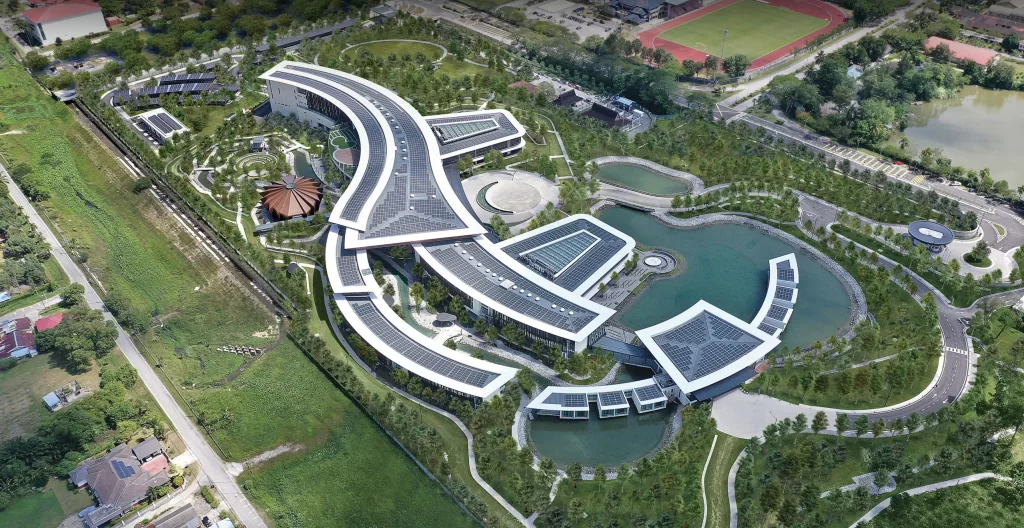
PETRONAS Leadership Centre (PLC)
PETRONAS Leadership Centre (PLC)
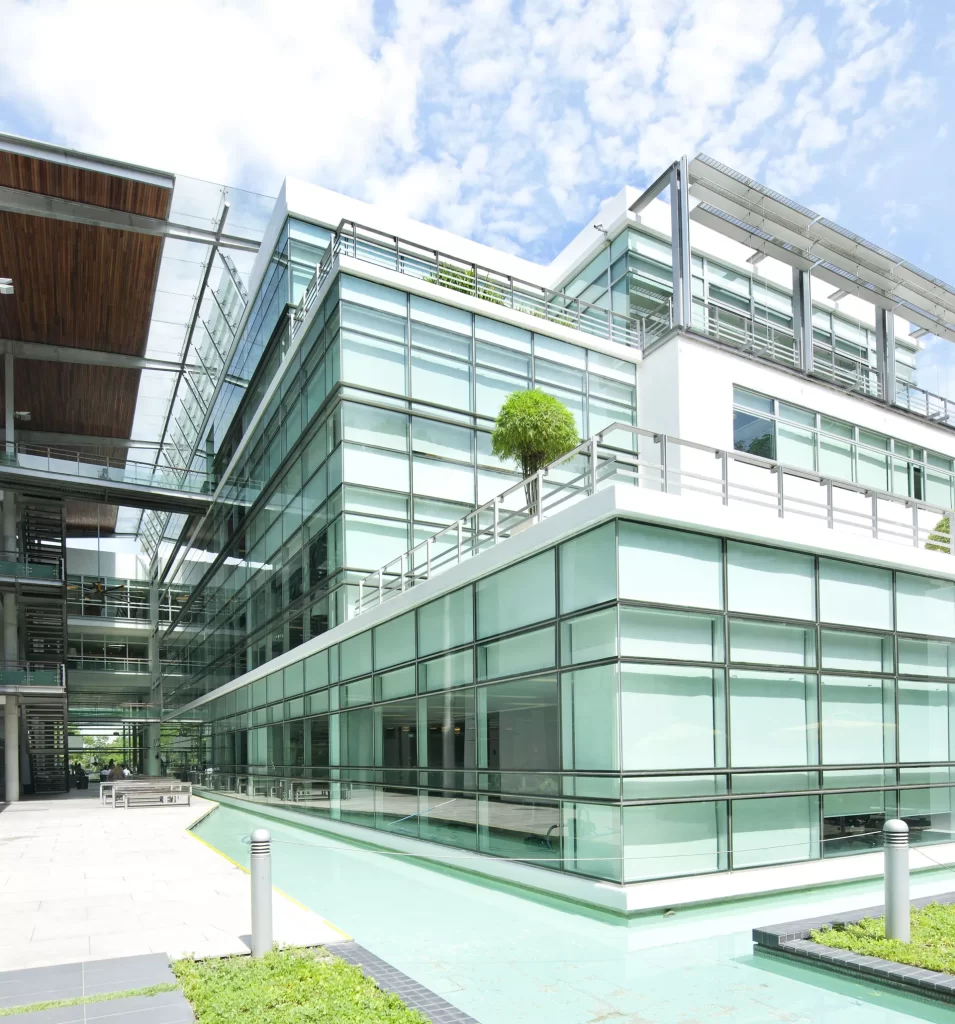
CelcomDigi Hub
CelcomDigi Hub
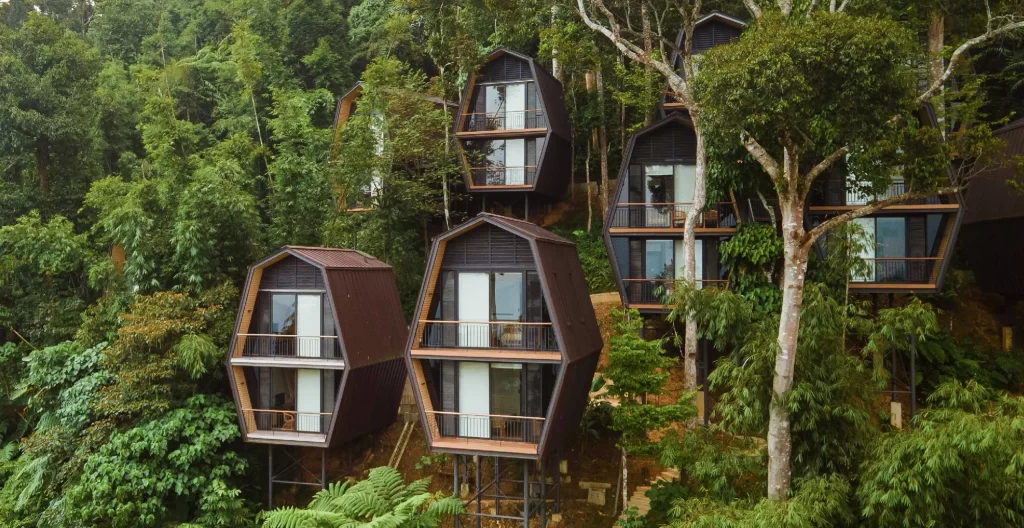
VanaVasa Resort
VanaVasa Resort
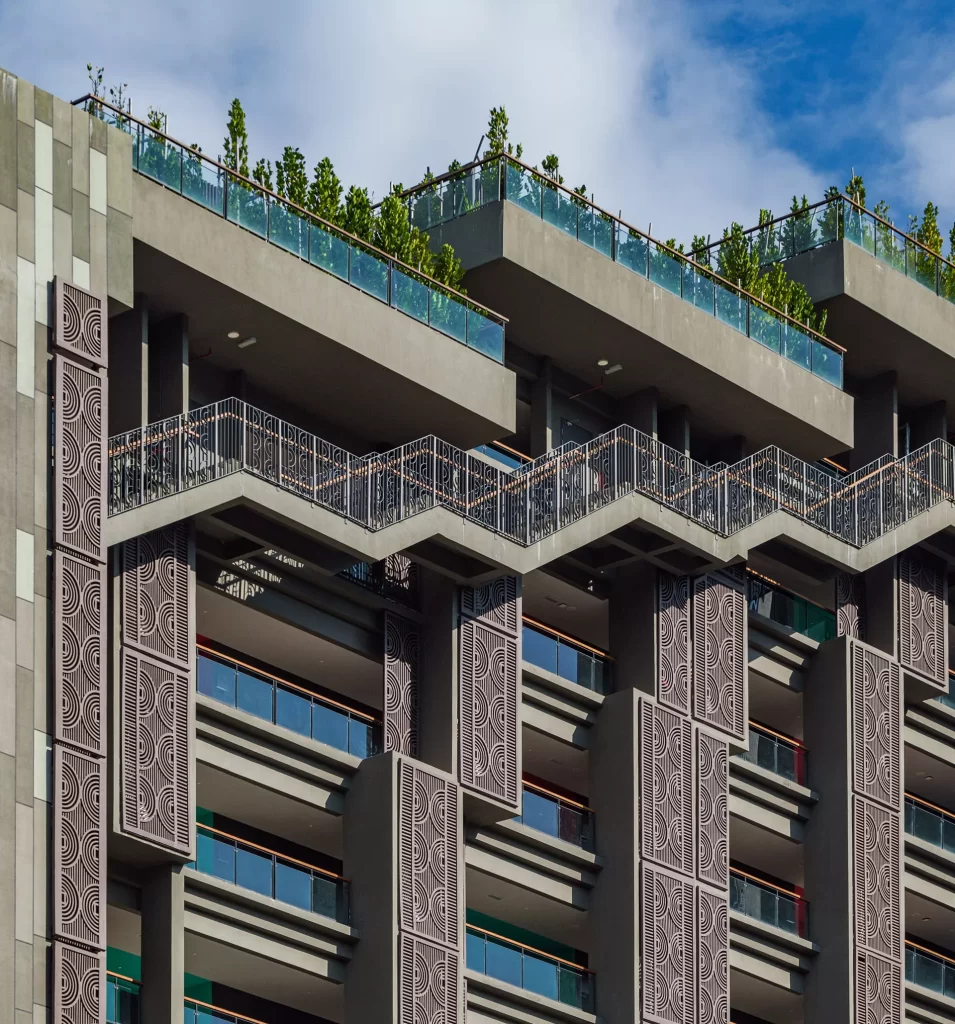
Angsana Teluk Bahang